
Content creator Dallas Little has gamed the system with a non-existent musician, raising serious questions about chart integrity and the looming impact of artificial intelligence on the music industry.
- The Digital Takeover: An AI-generated artist named “Eddie Dalton” has astonishingly secured eleven spots on the iTunes Top 100 singles chart and a Number 3 album, following an April Fools’ Day release strategy.
- The Ghost in the Machine: Created entirely by content creator Dallas Little using AI prompts, Eddie has no real musical background, no studio time, and does not exist in the physical world.
- The Math Doesn’t Add Up: Despite charting high and boasting 1.2 million YouTube views on a single track, data shows less than 7,000 verified sales, zero radio airplay, and no streaming, suggesting massive platform manipulation.
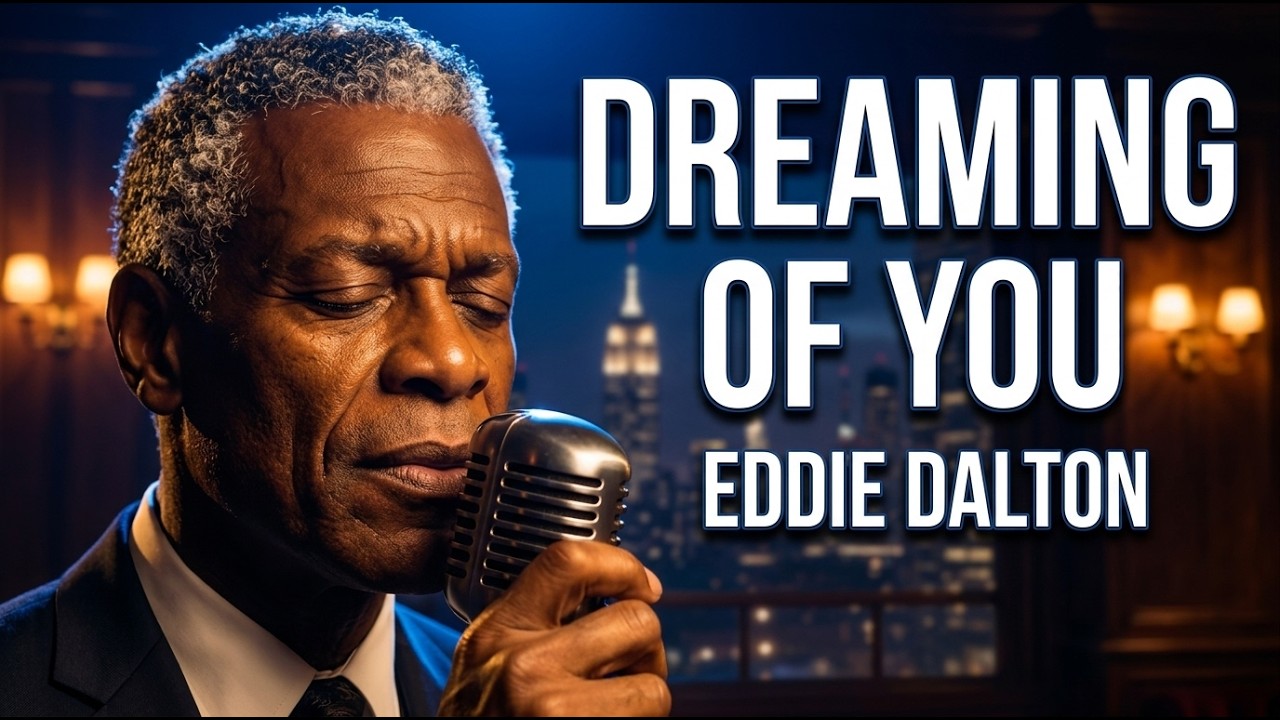
Apple’s iTunes was thoroughly bamboozled this past April Fools’ Day, and the punchline is still dominating the music charts. Meet Eddie Dalton: a chart-topping sensation, a viral video star, and a complete fabrication. Eddie doesn’t actually exist. He is the digital brainchild of content creator Dallas Little, an artificial intelligence construct who has seemingly overthrown the digital music ecosystem overnight.
The sheer scale of this digital takeover is staggering. As it stands, Eddie Dalton occupies an unbelievable eleven spots on the iTunes Top 100 singles chart, casually perched at numbers 3, 8, 15, 22, 42, 44, 51, 58, 60, 68, and 79. If that weren’t enough, iTunes is currently offering a compilation album of these generated tracks, which sits comfortably at number 3 on the albums chart. Little recently unleashed four more songs by his AI creation, and at least three more are already waiting in the wings, aiming to crack the top 100 in the coming days.

The mechanics behind Eddie’s meteoric rise represent a seismic shift—and perhaps a terrifying precedent—for the entertainment industry. There is no grueling recording time, no late nights in the studio, and no traditional musical process involved. Instead, Little is the puppet master, typing prompts and pushing buttons to write and record the tracks using artificial intelligence. He has meticulously invented Eddie’s entire persona, from his distinct sound to his visual look and accompanying music videos. Because the barrier to entry is virtually nonexistent, Little can simply keep churning out new hits on a whim.
Peeling back the layers of this AI phenomenon reveals a perplexing mathematical anomaly. While Eddie appears to be a massive commercial success—with his song “Another Day Old” racking up an impressive 1.2 million views on his YouTube page—the traditional metrics of the music business simply do not add up. There is absolutely no radio airplay and no significant streaming presence. Most damning of all, data firm Luminate reports that “Eddie Dalton” has sold a mere 6,900 tracks in total since his inception.

This massive discrepancy forces us to look at the situation from a broader, more concerning perspective. Is Dallas Little brilliantly gaming the algorithms of iTunes and YouTube? Are real, human consumers actually buying Eddie Dalton’s music, and if so, do they even understand the artificial nature of what they are consuming? When a machine-generated ghost can command a top-three album and eleven charting singles with fewer than 7,000 actual sales, the integrity of our digital music charts is called into serious question.