
One Subscription, Four Giants: How Alibaba is Rewriting the Economics of AI Development
- Unified Access: Alibaba Cloud’s new “Coding Plan” provides seamless API access to four of China’s premier open-weight models: Qwen 3.5-Plus, Kimi K2.5, GLM 5, and MiniMax M2.5.
- Disruptive Pricing: Starting at just $1 for the first month (standardizing at $6 thereafter), the plan lowers the barrier to entry for high-volume AI integration, offering up to 18,000 requests per month.
- Industry Shift: By offering a single-point subscription for multiple LLMs, Alibaba is positioning itself as a central hub in an AI market increasingly worried about vendor lock-in and the obsolescence of legacy systems.
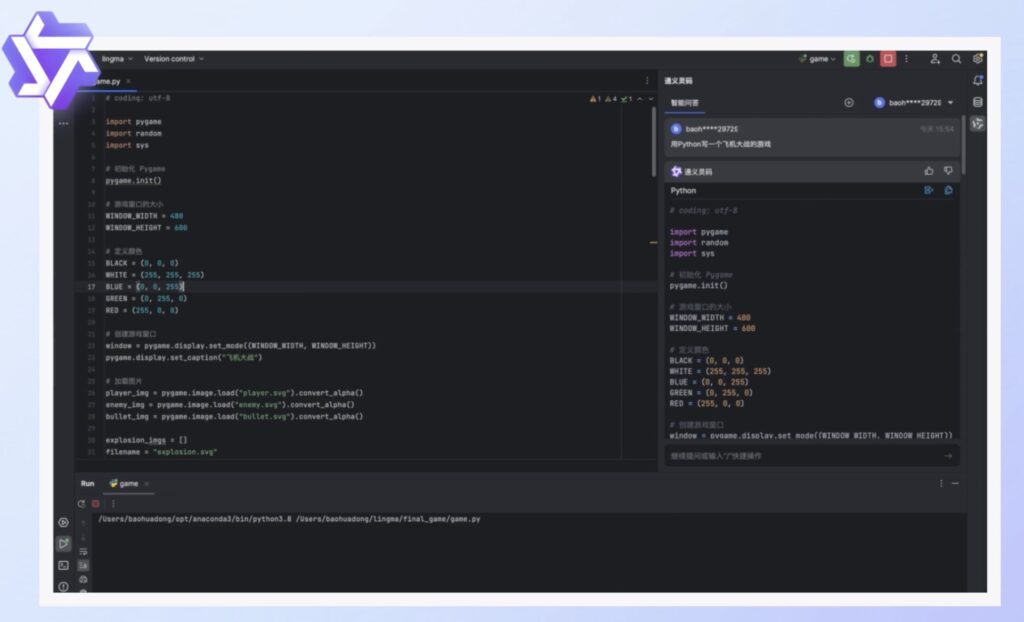
The landscape of artificial intelligence is shifting from a “model-first” world to an “access-first” reality. In a move that signals a significant escalation in the AI price wars, Alibaba Cloud (BABA) has launched its highly anticipated Coding Plan. This subscription-based service is designed to demystify and democratize access to high-tier Large Language Models (LLMs), allowing developers to stop juggling multiple subscriptions and start building with a single, streamlined API.
For a starting price of just $1 for new users in the first month (regularly ~$6/month), subscribers gain access to a curated “dream team” of Chinese open-source models. The roster is formidable: Qwen 3.5-Plus and Kimi K2.5, both of which boast advanced multimodal capabilities; GLM 5, known for its deep reasoning; and MiniMax M2.5. By providing the ability to freely switch between these four engines, Alibaba is effectively neutralizing the “choice fatigue” that often plagues developers trying to stay on the cutting edge.
This aggressive pricing strategy isn’t just about charity; it’s a calculated move to dominate the monetization phase of the AI cycle. While the entry-level plan handles 18,000 requests, Alibaba is also courting power users with a “Pro” plan. Priced at $5.50 for the first month and $29 thereafter, the Pro tier supports a staggering 90,000 requests per month. In an era where API costs can spiral out of control for scaling startups, these fixed-rate plans provide much-needed fiscal predictability.
The launch comes at a time of heightened anxiety within the broader tech sector. As AI coding tools become more sophisticated, they are doing more than just assisting developers—they are disrupting established market cap giants. The industry recently saw this “shockwave effect” when Anthropic (ANTHRO) introduced features capable of modernizing COBOL codebases. This single advancement sent ripples through the market, causing IBM (IBM) stock to face steep losses, as the threat of automated legacy code migration became a tangible reality.
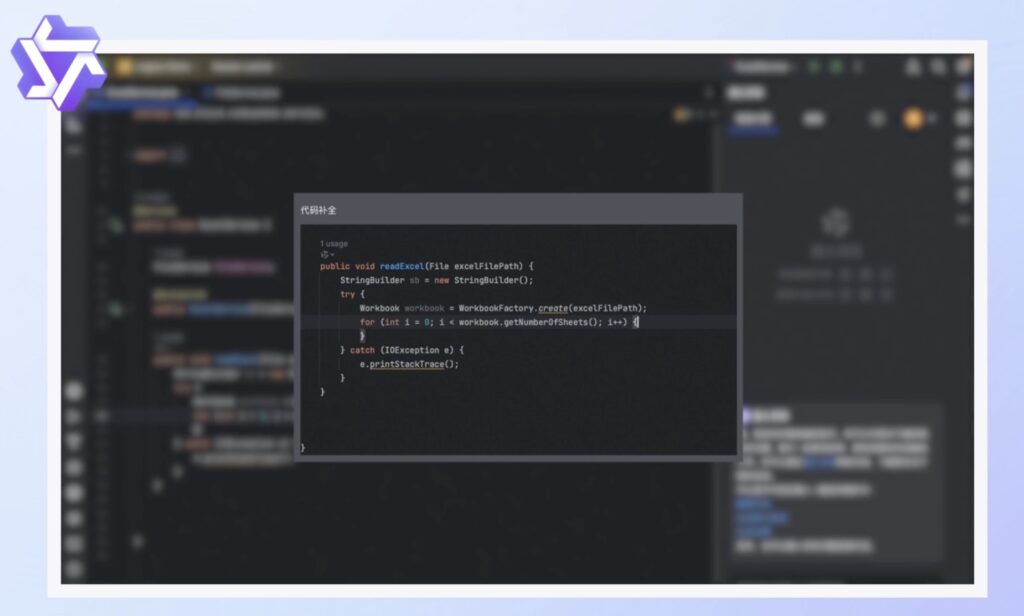
Alibaba’s move into low-cost, multi-model access suggests that the “moats” built by traditional software services are drying up. If a developer can access four of the world’s best open-weight models for the price of a cup of coffee, the value shifts from the model itself to the creativity of the implementation. Alibaba Cloud isn’t just selling requests; they are selling a license to innovate without the overhead of the “AI tax” that has historically limited the reach of top-tier intelligence. As the “Coding Plan” rolls out, the software industry must now decide whether to fear the wrench being thrown into its machinery or pick it up and start building something new.