
The “RAMageddon” Reality Check
- Vanishing Specs: Apple has officially removed the 512GB unified memory upgrade for the Mac Studio, leaving the machine capped at 256GB.
- Rising Costs: The price for the remaining 256GB upgrade has jumped from $1,600 to $2,000, reflecting a volatile global market.
- Supply Strain: A critical shortage of DRAM, fueled by the AI infrastructure boom, is pushing shipping dates into May and threatening the broader tech industry.
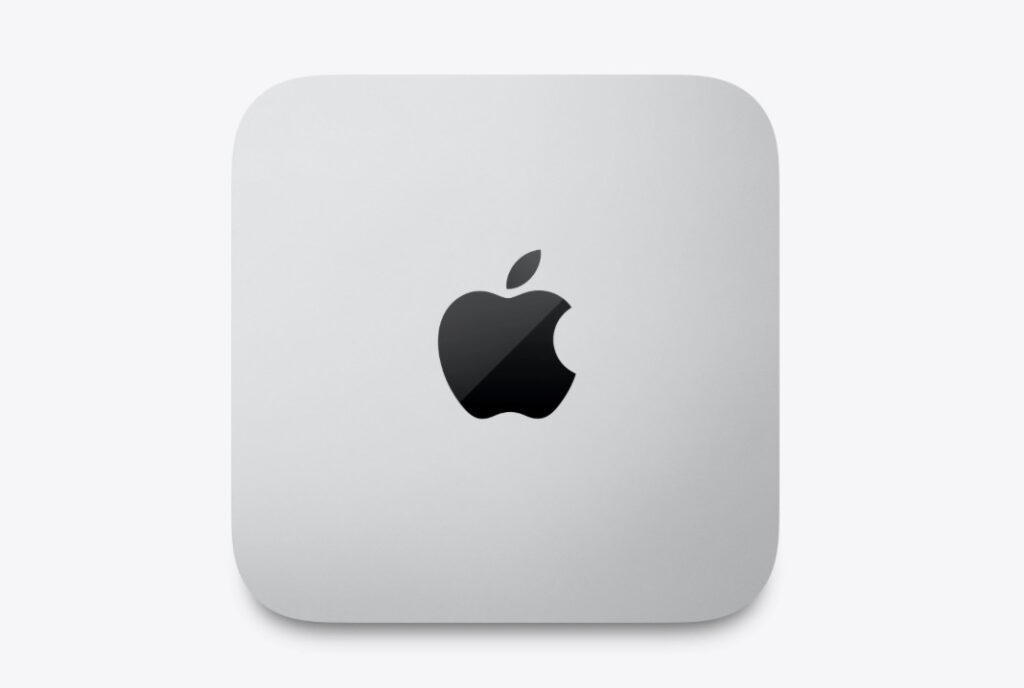
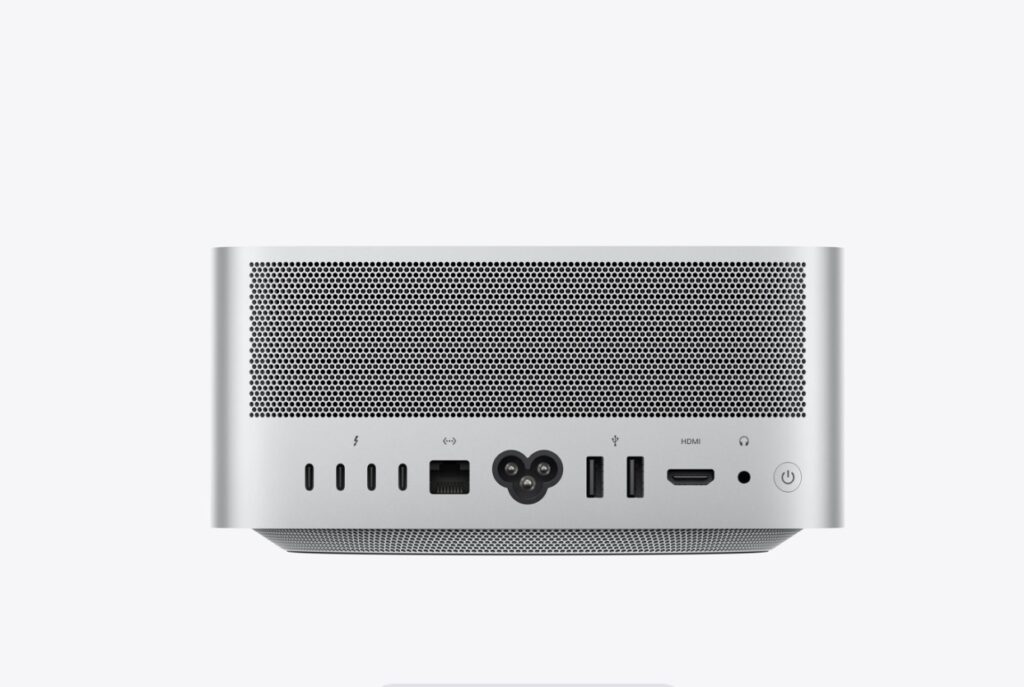
The tech industry is currently navigating a “perfect storm” in the component market, and even a giant like Apple isn’t immune. This week, the Cupertino company quietly overhauled its Mac Studio configuration page, making a move that signaled a retreat from the “more is more” era of hardware. The headline-grabbing 512GB unified memory option—previously the crown jewel for power users and AI researchers—has vanished from the store. In its place, the Mac Studio now maxes out at 256GB of RAM, a change that highlights the fragile state of global supply chains in 2026.
The Economics of Scarcity
This isn’t just a simple inventory adjustment; it is a direct response to a worsening global DRAM shortage. As demand for high-performance memory to power massive AI data centers has skyrocketed, the supply available for consumer electronics has effectively dried up. This scarcity is hitting the wallet where it hurts: the price to upgrade a Mac Studio from 96GB to 256GB has climbed by $400, a 25% increase that brings the total cost of that specific jump to $2,000. For context, the now-extinct 512GB tier was priced at a staggering $4,000 before it was pulled.
The ripple effects are visible in Apple’s logistics as well. While base-model Mac Studios are shipping relatively quickly, those who opt for the current ceiling of 256GB are facing wait times that stretch deep into May. This suggests that Apple is husbanding its limited stock of high-density memory modules, prioritizing efficiency over variety as lead times for components lengthen across the board.
The AI Paradox
Ironically, the very thing driving the shortage—Artificial Intelligence—is also the primary reason people want these high-spec machines. Modern “local AI agents” and Large Language Models (LLMs) require massive amounts of memory to run efficiently without constant cloud dependency. By removing the 512GB option, Apple is technically limiting the Mac Studio’s potential as a premier local AI workstation, just as the software for those tasks is becoming mainstream.
However, Apple remains in a stronger position than most. While the “RAMageddon” of 2026 is expected to cripple smaller PC and smartphone manufacturers who cannot absorb these soaring costs, Apple’s massive capital and supply chain leverage allow it to secure whatever DRAM is actually available. For the average consumer, this might mean a slightly more expensive or less configurable Mac, but for the rest of the industry, it could mean delayed product launches and significantly higher entry-level prices.
Looking Toward the Horizon
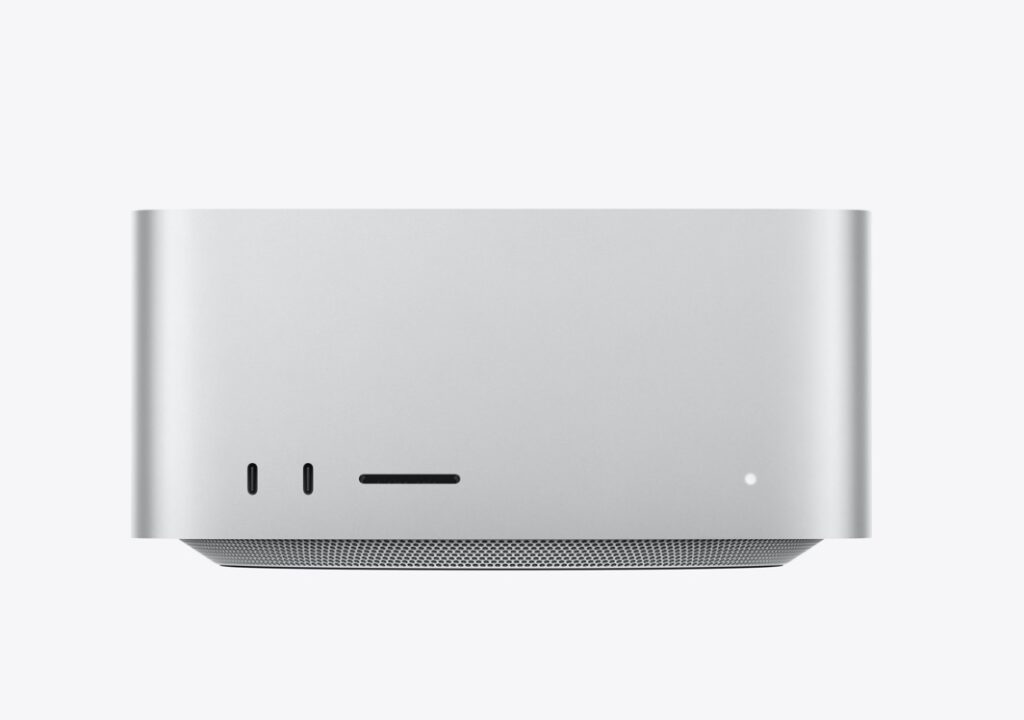
As we look toward the future of the Mac desktop, the roadmap remains somewhat hazy but hopeful. Rumors of M5 Max and M5 Ultra versions of the Mac Studio are circulating for later in 2026. These next-generation chips will likely bring architectural improvements that could mitigate some memory bottlenecks. However, until the global production of DRAM can catch up with the insatiable hunger of the AI revolution, the days of “infinite” RAM upgrades at a predictable price may be a thing of the past.