A comprehensive look at the “Startups Technical Guide,” moving founders from fragile prototypes to scalable, production-grade AI agents.
- A Complete Roadmap: Google has released a free, 64-page technical guide designed to take startups from the “idea” phase to deploying fully scalable AI agents, moving beyond simple automation to complex, creative problem-solving.
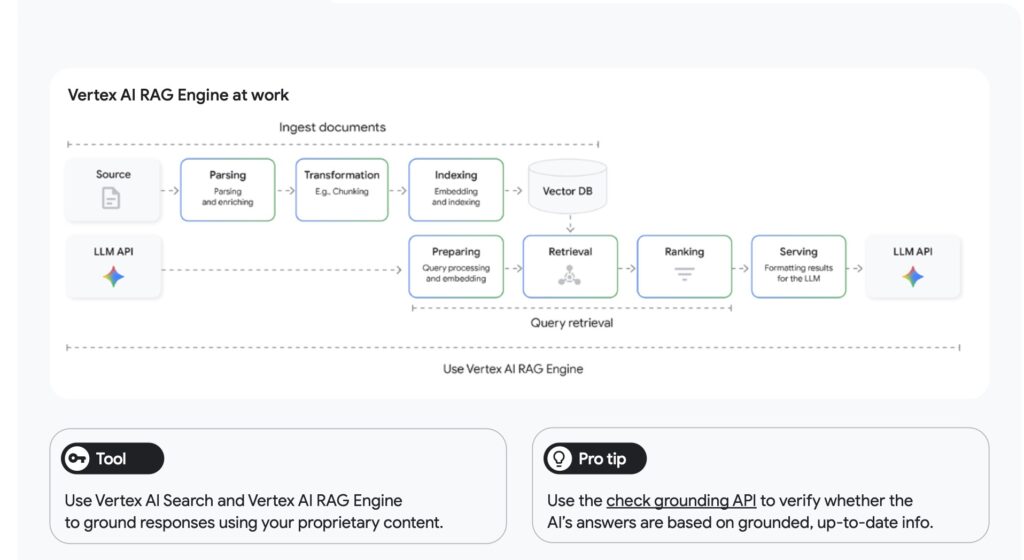
- The Tooling Ecosystem: The guide details how to leverage the Google Cloud ecosystem—specifically Vertex AI, the Model Garden (featuring Gemini), and the Agent Development Kit (ADK)—to ground LLMs using RAG and multimodal capabilities.
- From “Vibes” to Engineering: A major focus is placed on “AgentOps,” shifting developers away from informal “vibe-testing” toward rigorous, disciplined engineering that ensures safety, reliability, and quality in non-deterministic systems.
The landscape of software engineering is undergoing a seismic shift. We are moving past the era of static code and into the age of AI Agents—systems capable of reasoning, planning, and executing complex workflows. Recognizing this rapid evolution, Google recently dropped a massive resource that has the tech world buzzing: a 64-page “Startups Technical Guide: AI Agents.“
Completely free, this guide is not just a marketing brochure; it is a dense, operational roadmap for founders and technical leaders racing to embrace agentic systems. Whether the goal is to automate internal tasks, enhance creativity, or launch entirely new user experiences, this guide—and the philosophy behind it—marks the transition from experimental prototypes to serious production.

The Paradigm Shift: Why Agents Are Different
The development of AI agents represents a fundamental change in how software is built. Unlike traditional software, which follows strict logic, generative AI is non-deterministic. It can be unpredictable. This opens the door to automating complex workflows and solving business problems that were previously technically infeasible, but it also introduces a new set of headaches.
How do you manage behavior that changes every time you run the code? How do you verify complex reasoning paths?
Google’s guide addresses these questions head-on. It acknowledges that moving from a promising demo to a production-ready agent requires solving these unique challenges. It is designed to help startups navigate this new landscape, offering a systematic approach to ensure that your agent doesn’t just work sometimes, but works reliably at scale.

The Toolkit: Building with Vertex AI and Gemini
At the heart of Google’s roadmap is the Google Cloud AI ecosystem. The guide dives deep into the technical tools required to accelerate product development.
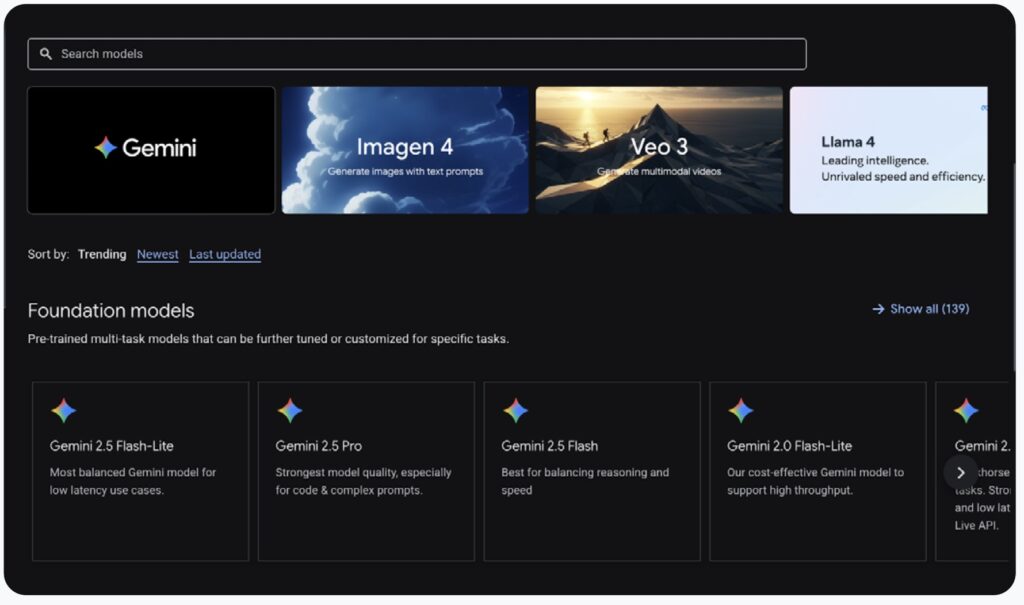
- Vertex AI & Model Garden: Access to a variety of models, including the powerful Gemini family, allows startups to choose the right “brain” for their agent.
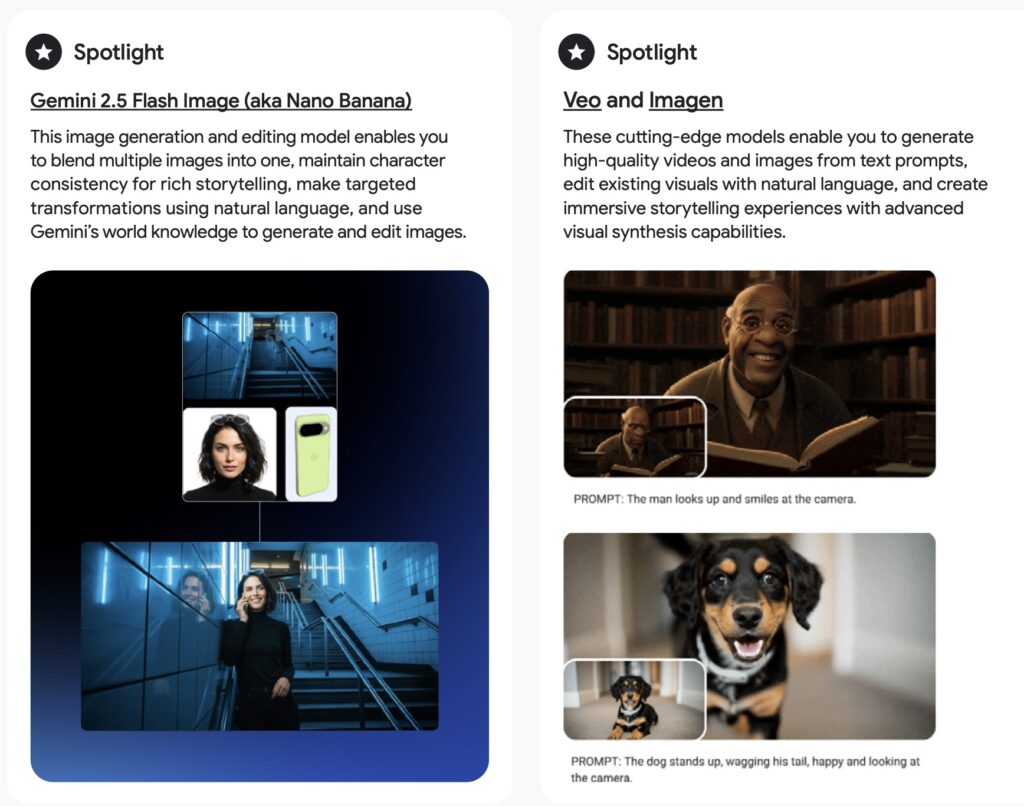
- Multimodal Capabilities: The guide emphasizes leveraging Gemini’s ability to process not just text, but images, video, and code, enabling a richer user experience.
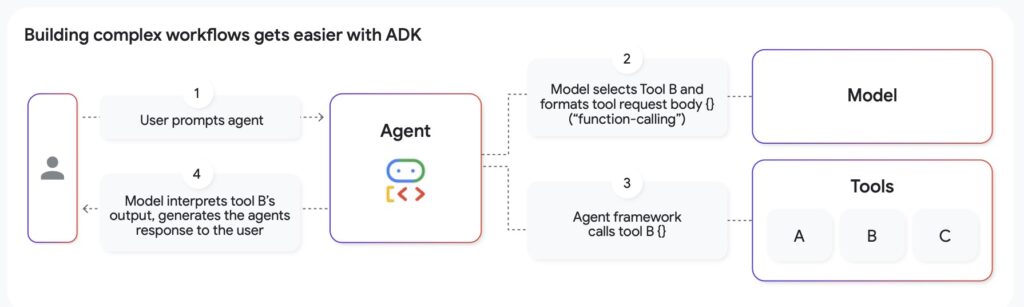
- Agent Development Kit (ADK): This code-first framework is positioned as a key tool for developing sophisticated agents, moving away from no-code limitations when deep customization is required.
Crucially, the guide focuses on Retrieval-Augmented Generation (RAG). This is the technique of “grounding” LLM responses in real data. By connecting the AI to your specific business data, you ensure the agent isn’t just hallucinating answers but providing factual, relevant information valuable to your specific business goals.
AgentOps: The End of “Vibe-Testing”
Perhaps the most critical insight from the guide is the concept of AgentOps. In the early days of GenAI, many developers relied on “vibe-testing”—essentially looking at an output and deciding if it “felt” right.
Google argues that for a startup to survive, this must end. The journey to production is about disciplined engineering. The guide outlines principles for:
- Quality and Safety: Ensuring the agent acts responsibly and adheres to safety guardrails.
- Streamlining Operations: Using the Agent Starter Pack to automate resource-intensive evaluations.
- Lifecycle Management: Managing the agent from prototype to deployment with rigorous process control.
This disciplined approach transforms volatility into a competitive advantage. It allows teams to iterate faster and scale with confidence, knowing their system is secure and reliable.
Strategy and Business Value
Beyond the code, the guide (and its accompanying educational webinars) serves as a strategic manual for founders. It forces leaders to ask: Where is the value?
Understanding the “why” is just as important as the “how.” By exploring the operational mechanics of agentic systems, startups can pinpoint exactly where automation can drive business value. Whether utilizing the no-code Google Agentspace for quick wins or building complex architectures with the ADK, the goal is to create novel user experiences that solve real problems.
As the guide suggests, the platform—hardware, data, and models—is merely the foundation. Your unique vision, combined with these rigorous engineering principles, creates the blueprint. For startups ready to move beyond the hype and build the next generation of intelligent systems, this technical guide is the place to start.