
From Chores to Surveillance: A Software Engineer’s DIY Project Exposes the Fragile Security of Our Smart Home Future
- Accidental Access: Software engineer Sammy Azdoufal inadvertently gained full control over 7,000 DJI Romo robot vacuums across 24 countries while trying to build a custom remote-control app.
- A Massive Security Flaw: By reverse-engineering the robot’s communication with cloud servers, Azdoufal discovered a bug that granted him live camera feeds, microphone audio, and floor plans for thousands of private residences.
- The Privacy Paradox: While DJI has patched the vulnerability, the incident highlights the escalating risks of bringing increasingly sophisticated, AI-powered autonomous robots into our most private spaces.
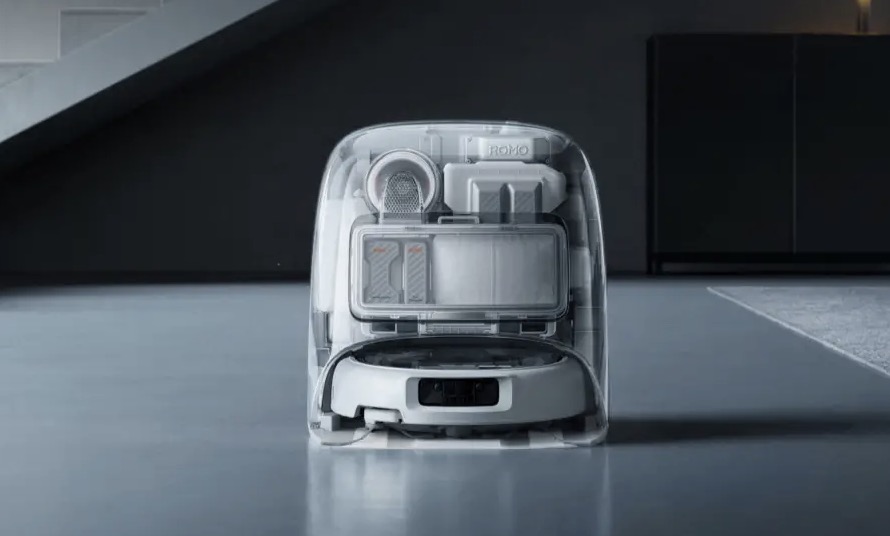
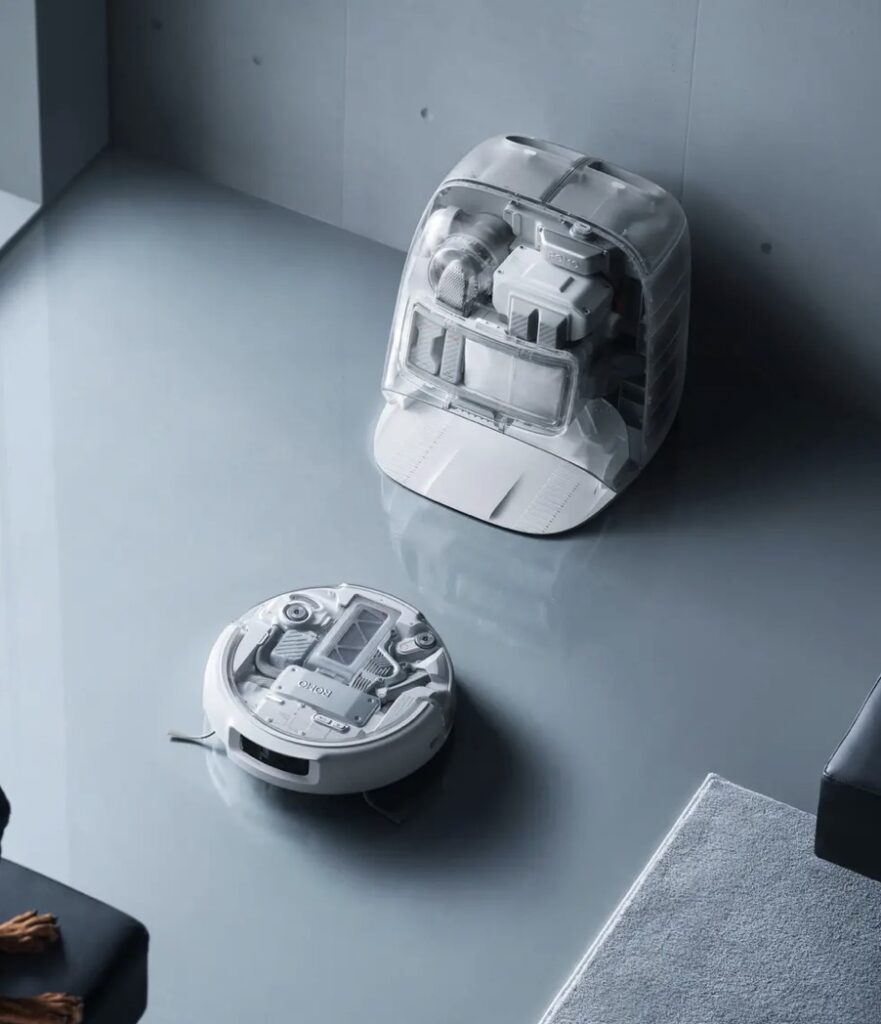
It began as an innocent weekend project. Sammy Azdoufal, a software engineer with a penchant for customization, simply wanted to steer his new DJI Romo—a high-end, $2,000 autonomous vacuum roughly the size of a small terrier—using a standard video game controller. However, in the process of building a bridge between his controller and the vacuum’s cloud-based brain, Azdoufal pulled back the curtain on a staggering security oversight.
Using an AI coding assistant to help reverse-engineer the communication protocols between the robot and DJI’s remote servers, Azdoufal sought a “security token” to prove he owned his device. Instead of verifying just his vacuum, the server essentially handed him the keys to the kingdom. He suddenly found himself with the ability to tap into the live camera feeds, microphones, and detailed 2D floor plans of nearly 7,000 robots globally. Without a single line of malicious code, a hobbyist had accidentally become a global voyeur.
The Ghost in the Machine
The robot at the center of this storm, the DJI Romo, represents the cutting edge of domestic utility. To navigate complex home environments and distinguish a kitchen from a nursery, these machines must constantly ingest and process massive amounts of visual data. Much of this data is stored on remote servers to facilitate the “smart” features users crave.
Azdoufal’s discovery revealed that the backend security meant to protect this data was shockingly porous. By looking at IP addresses, he could see the approximate locations of users across two dozen countries. He insists this wasn’t a “hack” in the traditional sense; he didn’t kick down a digital door so much as find that the front door to 7,000 homes had been left wide open. Recognizing the gravity of the situation, he bypassed the temptation to exploit the flaw and instead reported it to The Verge, which facilitated a disclosure to DJI.
A Patchwork of Protection
DJI acted quickly once the alarm was sounded. The company stated that they identified the vulnerability in late January and deployed automatic patches between February 8 and February 10. According to DJI, the issue is now resolved, and no user action is required. Yet, for many cybersecurity experts, this is a symptom of a much larger malady.
The incident arrives during a period of intense scrutiny for smart home technology. From Ring cameras being criticized for “search party” features that resemble neighborhood surveillance to Google handing over Nest footage to law enforcement, the “convenience” of the smart home is increasingly being weighed against the “cost” of privacy. Furthermore, with US lawmakers already wary of Chinese-made tech due to potential national security threats, this DJI slip-up adds fuel to a long-simmering political fire.
The Future: Helpful Humanoids or Silent Spies?
The irony is that as a society, we are inviting more—not fewer—microphones and cameras into our living rooms. Market data suggests that over 54 million U.S. households already own at least one smart device, and that number is climbing. We are now entering the era of the humanoid robot, with companies like Tesla, Figure, and 1X racing to put bipedal servants in our homes to wash dishes and perform chores.
For these machines to be effective, they require an even more intimate understanding of our private lives than a vacuum does. As AI-powered coding tools make it easier for even novice programmers to find and exploit software flaws, the barrier to entry for digital stalking or corporate espionage continues to drop.
Azdoufal eventually succeeded in his original goal: he can now drive his Romo with a joystick. But his journey serves as a sobering reminder that in the rush to automate our chores, we may be inadvertently automating the surveillance of our own lives.