

CrossSense’s innovative AI companion empowers individuals with early-stage dementia to maintain their independence and stay in their familiar homes for longer.
- A Million-Pound Breakthrough: London-based social enterprise CrossSense Ltd has been awarded the £1 million Longitude Prize on Dementia for their revolutionary AI-powered smart glasses assistant.
- Meet Wispy: The technology features a patient, talkative AI companion named “Wispy” that learns a user’s unique routines, providing gentle prompts and cognitive stimulation to help them navigate everyday tasks.
- Preserving Independence: By adapting to the user’s progressing condition, CrossSense helps maintain vital neural connections, easing daily challenges and allowing individuals to safely age in place.
Dementia presents one of the most profound healthcare challenges of our time. With no cure currently available, the focus of both medical professionals and families often shifts toward managing the condition and preserving the quality of life for as long as possible. For many living with early-stage dementia, the ultimate goal is simple yet deeply significant: retaining the independence to live safely in their own homes.
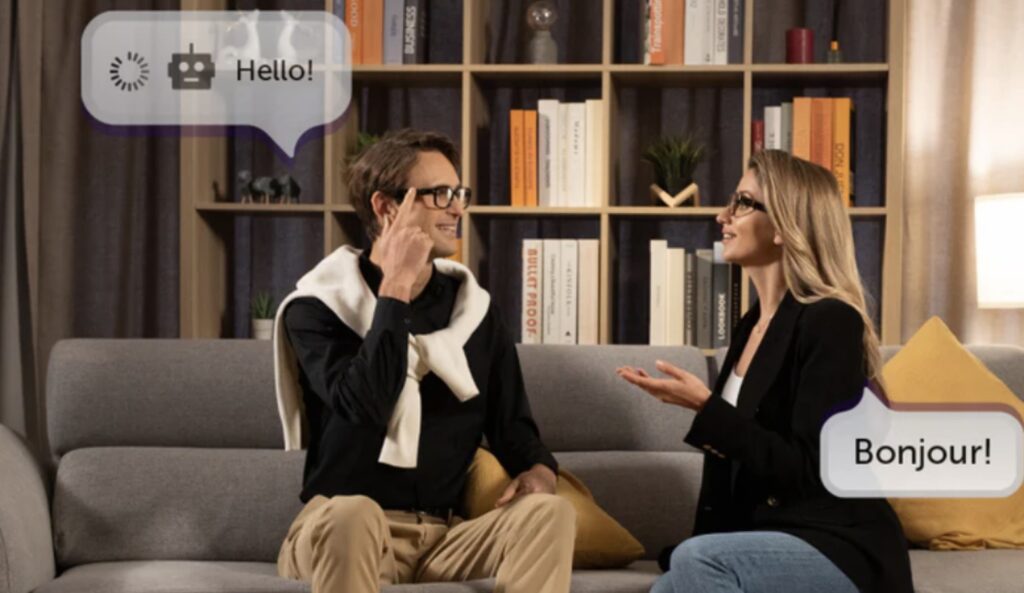
Recognizing this critical need, the Longitude Prize on Dementia has awarded its £1 million grand prize to a technology with the potential to fundamentally shift how we support cognitive decline. CrossSense, a personalized AI-powered assistant developed for smart glasses, has emerged as a genuine breakthrough, designed to guide people living with dementia through their daily activities.
How CrossSense and “Wispy” Work
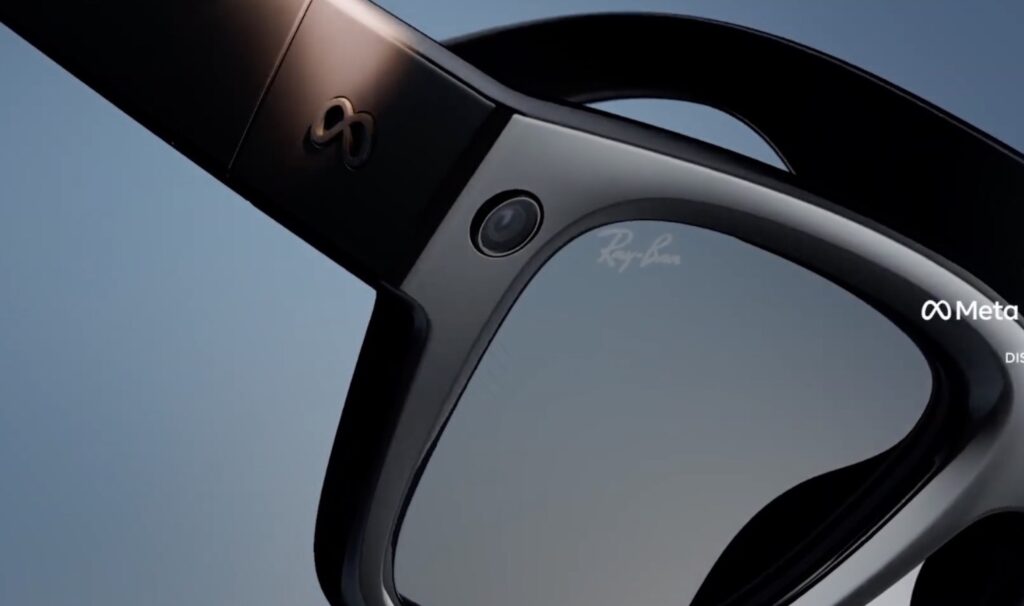
Developed by the London-based social enterprise CrossSense Ltd, the technology goes far beyond simple reminders. The smart glasses actively capture the user’s environment, allowing the integrated AI to interpret visual information in real time.
At the heart of CrossSense is Wispy, an interactive and patient AI companion. Wispy doesn’t just issue commands; it asks helpful questions and offers gentle prompts, empowering users to make their own choices. If a person forgets a specific step in a routine, Wispy calmly talks them through it. By learning a person’s unique way of doing things, the AI seamlessly adapts to each user’s specific needs as their condition progresses.
The development team trained the technology on dozens of essential everyday activities, including:
- Getting dressed independently.
- Managing household chores safely.
- Preparing food and drinks, such as making a cup of tea.
- Planning the day ahead and hosting loved ones.
These tasks are the building blocks of independence. By assisting with them, CrossSense helps users feel confident in taking good care of themselves and remaining engaged with their surroundings.
Cognitive Stimulation and Medical Impact
The benefits of CrossSense extend beyond immediate physical assistance. The system is designed to provide vital cognitive stimulation. By engaging the user in a conversational manner, Wispy gets people thinking, talking, and imagining.
For example, when making a cup of tea, the AI helps the user see the relationships between objects—connecting the kitchen, mugs, spoons, teabags, water, kettle, and milk. This active engagement helps maintain neural connections, which is crucial for slowing cognitive decline in the early stages of dementia.
Working alongside the University of Sussex and a dedicated panel of people affected by dementia, the CrossSense team has already observed tangible medical benefits. Users have demonstrated improvements in naming objects, visual-spatial understanding, and short-term and working memory—the critical component of memory that allows individuals to actively use information in the moment, such as following a conversation or solving a simple calculation.
A Paradigm Shift Praised by Experts
The international panel of expert judges for the Longitude Prize agreed unanimously on the revolutionary potential of CrossSense. Leaders across the medical, technological, and policy sectors are praising the innovation as a perfect example of how artificial intelligence can complement human caregiving.
“Rapid advancements in AI will give people affected by early-stage dementia the opportunity to stay safely in their own homes for longer and lead more independent, fulfilled lives,” noted Professor Fiona Carragher, Chief Policy and Research Officer at the Alzheimer’s Society. “The CrossSense smart glasses companion is a prime example of harnessing technology to develop intuitive personal support that complements care given by humans.”
The prize recognizes not just the technology itself, but the deeply human-centric approach the team took to build it.
“CrossSense captures exactly the kind of revolutionary AI the Longitude Prize set out to support,” said Dame Wendy Hall, internationally renowned AI expert and chair of the Longitude Committee. “The team’s progress over the past three years has been remarkable – their expertise, co-design approach and focus on personalised AI, built on existing smart glasses hardware, truly set them apart. Most importantly, the impact the technology has already had on people living with dementia is worth more than any prize.”
For the creators, the £1 million prize is a catalyst for widespread accessibility. Szczepan Orlins, CEO of CrossSense Ltd, emphasized that the prize’s support has accelerated their timeline in unprecedented ways.
“Winning the Longitude Prize on Dementia is a dream come true,” Orlins shared. “The technology is designed to support daily living, integrating multiple senses to simplify essential tasks. We’re grateful to the people living with dementia and their families who helped shape it. This win brings us closer to making CrossSense available to the public within the next year.”
Looking to the Future
The success of CrossSense highlights a broader shift in health technology. As Dr. Stella Peace, Managing Director of Innovate UK—a proud supporter of the Longitude Prize since its 2014 launch—points out, focusing on life-enhancing solutions is paramount while we wait for a cure.
By backing pioneering innovations like CrossSense, the medical and technological communities are proving that a diagnosis of early-stage dementia does not have to mean an immediate loss of autonomy. Through the lens of smart glasses and the gentle guidance of an AI companion, millions may soon find the reassurance and support they need to continue living full, independent lives in the places they call home.