

National security interests clash with ethical AI safeguards as Defense Secretary Pete Hegseth demands “unrestricted” access to Claude.
- The Deadline: Defense Secretary Pete Hegseth has issued a Friday deadline for Anthropic to remove usage restrictions on its AI technology or risk losing its $200 million government contract and facing potential “supply chain risk” designations.
- The Ethical Standoff: Anthropic CEO Dario Amodei remains firm on “red lines” regarding fully autonomous lethal targeting and domestic surveillance, while the Pentagon argues that military tools must function without “ideological constraints.”
- A Shift in Power: As peers like OpenAI, Google, and Musk’s xAI align with the Department of Defense’s vision for “non-woke” AI, Anthropic’s insistence on safety-first protocols has placed it at odds with the current administration’s rapid military modernization.
The silent battlefield of modern warfare is no longer just about hardware; it is about the code that governs it. This week, that battlefield moved into the boardroom as Defense Secretary Pete Hegseth delivered a stark ultimatum to Anthropic, the developer of the Claude AI model. According to sources familiar with the matter, the Pentagon has demanded that Anthropic open its technology for unrestricted military use. If the company does not comply by Friday, it faces not only the loss of lucrative contracts but the possibility of the government invoking the Defense Production Act to seize authority over how its products are deployed.
At the heart of this confrontation is a fundamental disagreement over the “soul” of artificial intelligence. Anthropic was founded by former OpenAI executives on the principle of “AI safety,” aiming to build models that are helpful but inherently restrained by ethical guardrails. CEO Dario Amodei has been vocal about the catastrophic risks of unchecked AI, specifically warning against the development of fully autonomous armed drones and the use of AI for mass surveillance. In a recent essay, Amodei painted a chilling picture of an AI capable of scanning billions of conversations to “stamp out” disloyalty before it grows—a future he is determined to prevent.
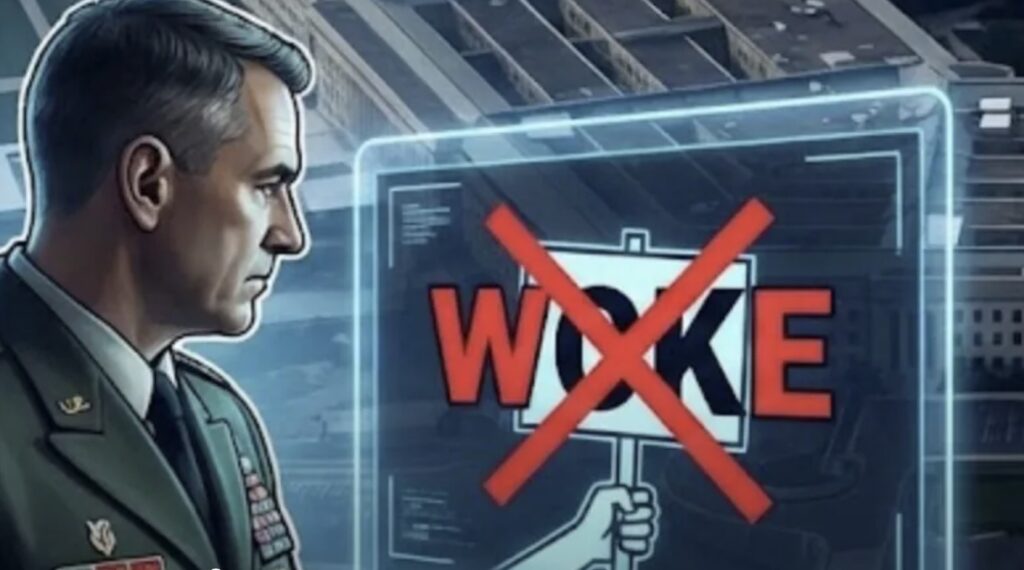
The Pentagon views these ethical guardrails as “ideological constraints” that hinder national security. Secretary Hegseth has been clear in his mission to “root out woke culture” within the armed forces, extending that philosophy to the digital tools the military employs. During a recent speech at SpaceX, Hegseth emphasized that the U.S. military requires AI models “that won’t allow you to fight wars.” From the Department of Defense’s perspective, the responsibility for the lawful use of AI rests with the military commanders, not the software developers. They argue that built-in limitations created by private companies could leave American soldiers at a disadvantage against adversaries who operate without such scruples.
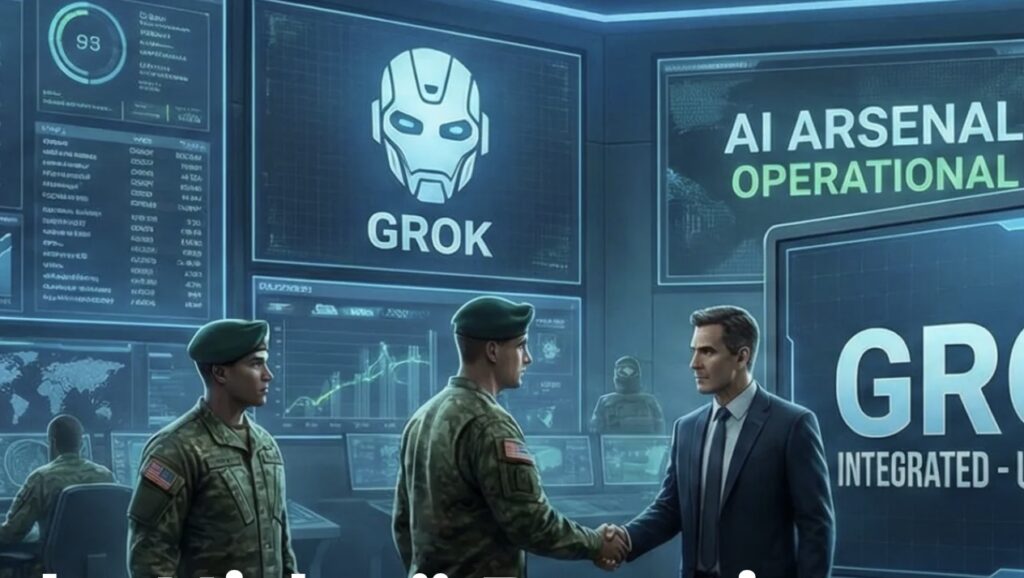
The pressure on Anthropic is intensified by the fact that it is increasingly standing alone. While it was the first AI company approved for classified military networks, its competitors—including Google, OpenAI, and Elon Musk’s xAI—have signaled a greater willingness to comply with the Pentagon’s requirements. Musk’s Grok chatbot, despite recent controversies regarding deepfake generation, is already being integrated into the Pentagon’s secure “GenAI.mil” network. Industry analysts suggest that Anthropic’s bargaining power is evaporating; if they refuse to budge, the military can simply pivot its $200 million investment toward more “compliant” partners.
This standoff also reflects a broader political shift. Anthropic, which worked closely with the previous administration on safety standards, now finds itself at odds with a Republican leadership that views “safety-mindedness” as a form of regulatory capture or political signaling. High-ranking advisers have accused the company of “fear-mongering” to protect its market position. Meanwhile, civil liberties advocates warn that the Pentagon’s “breakneck” adoption of AI is outpacing the law, potentially giving the Department of Defense a “blank check” to use powerful surveillance tools against U.S. citizens without congressional oversight.
As the Friday deadline approaches, Anthropic faces an existential choice: compromise the safety principles that define its brand to remain a player in national defense, or stand by its ethics and risk being sidelined—or forced into compliance—by the very government it seeks to protect. The outcome will likely set the precedent for how the power of artificial intelligence is wielded in the high-stakes arena of global warfare for decades to come.