
Bridging the massive divide between real-time rendering and cinematic visual effects, NVIDIA’s new AI-powered breakthrough promises photorealistic lighting and materials this Fall.
- The Next Leap in Realism: Arriving this Fall, DLSS 5 utilizes a real-time neural rendering model to infuse game pixels with Hollywood-tier photorealistic lighting and complex material interactions.
- A “GPT Moment” for Graphics: Moving beyond simple upscaling, the AI understands intricate scene semantics—such as translucent skin, hair, and fabric—generating stunning visuals while remaining deterministic and strictly grounded in the developer’s 3D world.
- Massive Industry Backing: Major studios including Bethesda, CAPCOM, and Ubisoft are seamlessly integrating the technology into upcoming heavy-hitters like Starfield, Assassin’s Creed Shadows, and Resident Evil™ Requiem.
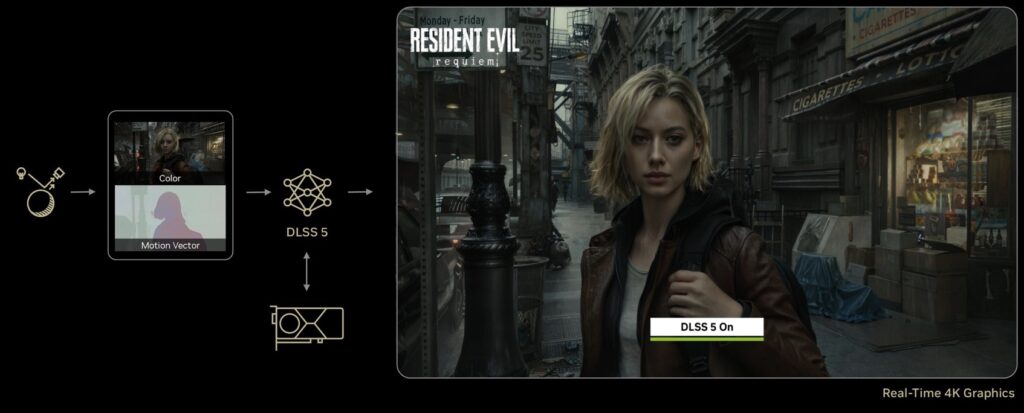
For decades, the holy grail of video game development has been true photorealism—worlds where lighting, reflections, and shadows perfectly mimic the laws of nature. Yet, a fundamental barrier has always existed: the cinematic gap. While a Hollywood visual effects frame can take anywhere from minutes to hours to render on massive server farms, a video game must achieve its visuals in a mere 16 milliseconds to maintain a smooth framerate. Brute-force computing alone simply cannot bridge that divide. Now, NVIDIA is rewriting the rules with the announcement of DLSS 5, an AI-powered breakthrough that promises to bring cinematic fidelity to interactive gameplay.


Calling it the company’s most significant leap in computer graphics since the 2018 debut of real-time ray tracing, NVIDIA founder and CEO Jensen Huang didn’t mince words. “Twenty-five years after NVIDIA invented the programmable shader, we are reinventing computer graphics once again,” Huang stated. “DLSS 5 is the GPT moment for graphics — blending hand-crafted rendering with generative AI to deliver a dramatic leap in visual realism while preserving the control artists need for creative expression.”
A 25-Year Journey from Shaders to Neural Rendering
NVIDIA has spent the last quarter-century aggressively pursuing the compute power necessary for realistic worlds. This journey has been marked by massive architectural innovations: from the programmable shaders of the GeForce 3 in 2001, to the introduction of CUDA with the GeForce 8800 GTX in 2006, the dawn of real-time ray tracing with the GeForce RTX 2080 Ti in 2018, and looking ahead to the path tracing and neural shaders of the GeForce RTX 5090 in 2025. This relentless push has yielded a staggering 375,000x increase in compute power.
When the original Deep Learning Super Sampling (DLSS) launched in 2018, it served primarily as a performance booster, first upscaling resolution and eventually generating entirely new frames. It quickly became an industry gold standard, integrated into over 750 games. By the time DLSS 4.5 launched at CES this year, AI was already drawing 23 out of every 24 pixels on screen. However, DLSS 5 represents a fundamental evolution: it is no longer just about performance; it is about completely transforming visual fidelity.


Deterministic AI: Controlling the Magic
While offline video AI models have recently proven they can generate incredibly photorealistic pixels, they are entirely unsuited for video games. Offline models lack predictability, often generating bespoke, hallucinatory content with every prompt. Gaming requires a different approach. Pixels must be deterministic, generated in real time, and inextricably anchored to the game developer’s 3D world and artistic intent.
DLSS 5 solves this by taking a game’s color and motion vectors for each frame as input. It then deploys an AI model trained end-to-end to understand complex scene semantics from a single frame. Whether analyzing characters, environmental lighting (like front-lit or overcast conditions), the delicate sheen of fabric, light interacting with hair, or the subtle subsurface scattering of translucent skin, DLSS 5 infuses the scene with photoreal materials and lighting. Running in real time at up to 4K resolution, it generates visually precise images that remain consistent from frame to frame, all while retaining the exact structure of the original scene.
Crucially, this AI enhancement doesn’t strip control from the creators. Through the seamless NVIDIA Streamline framework, developers are provided with detailed controls for intensity, color grading, and masking. Artists can precisely dictate where and how the neural enhancements are applied, ensuring the game’s unique aesthetic is perfectly preserved.
An Industry United
The gaming industry is already rallying behind the technology, with major publishers like Bethesda, CAPCOM, Ubisoft, Tencent, NetEase, Hotta Studio, NCSOFT, S-GAME, and Warner Bros. Games pledging support.
Todd Howard, studio head and executive producer at Bethesda Game Studios, noted that DLSS 5 allows artistic style to shine without being held back by traditional rendering limits, confirming the tech will come to Starfield and future titles. Over at Ubisoft’s Vantage Studios, co-CEO Charlie Guillemot echoed this sentiment regarding Assassin’s Creed Shadows, stating, “The way it renders lighting, materials and characters changes what we can promise to players.”
CAPCOM’s executive producer Jun Takeuchi highlighted how DLSS 5 pushes visual fidelity to enhance the emotional impact and atmosphere of Resident Evil, immersing players even deeper into the experience. In fact, early previews of DLSS 5 running in Resident Evil™ Requiem showcased improvements so startlingly realistic that they have already sparked a wave of viral memes across the gaming community.
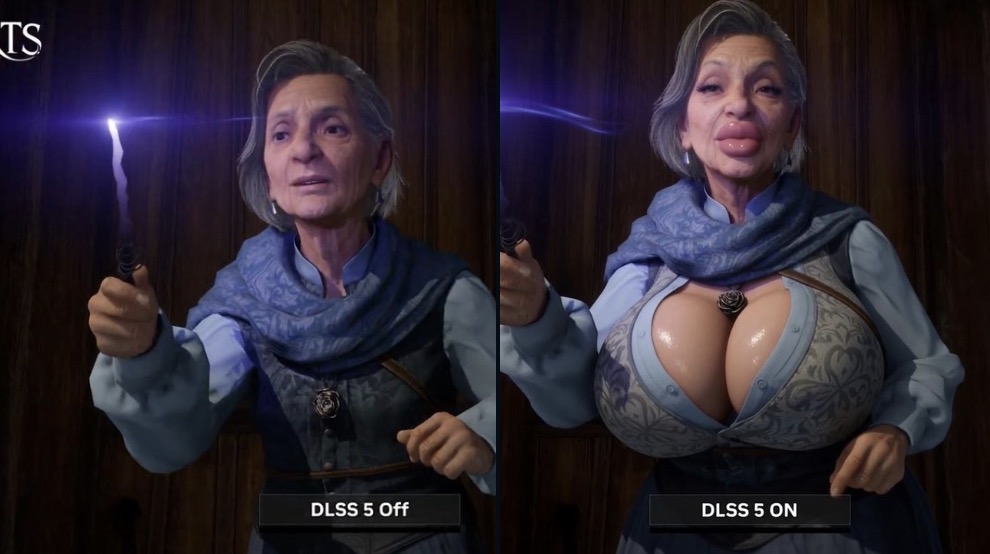

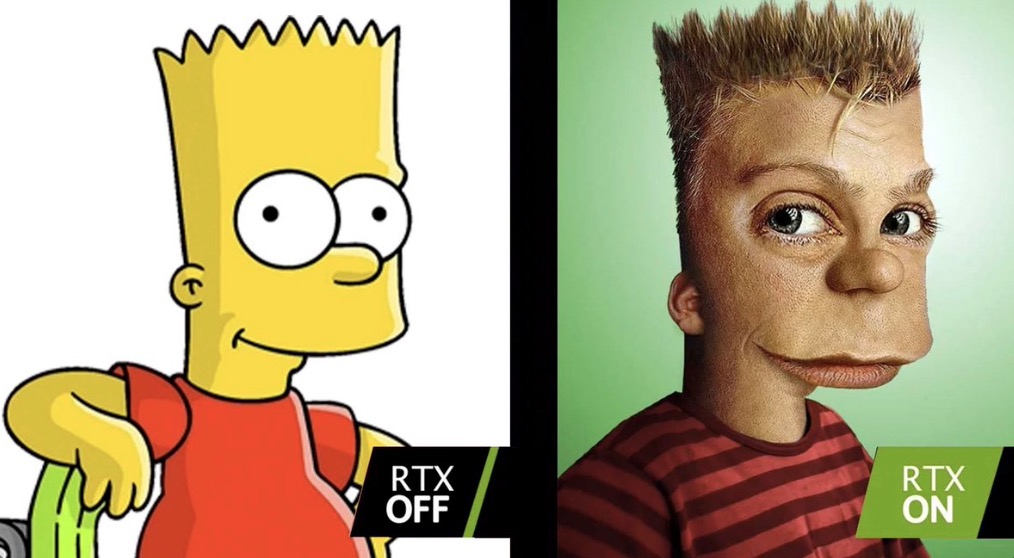

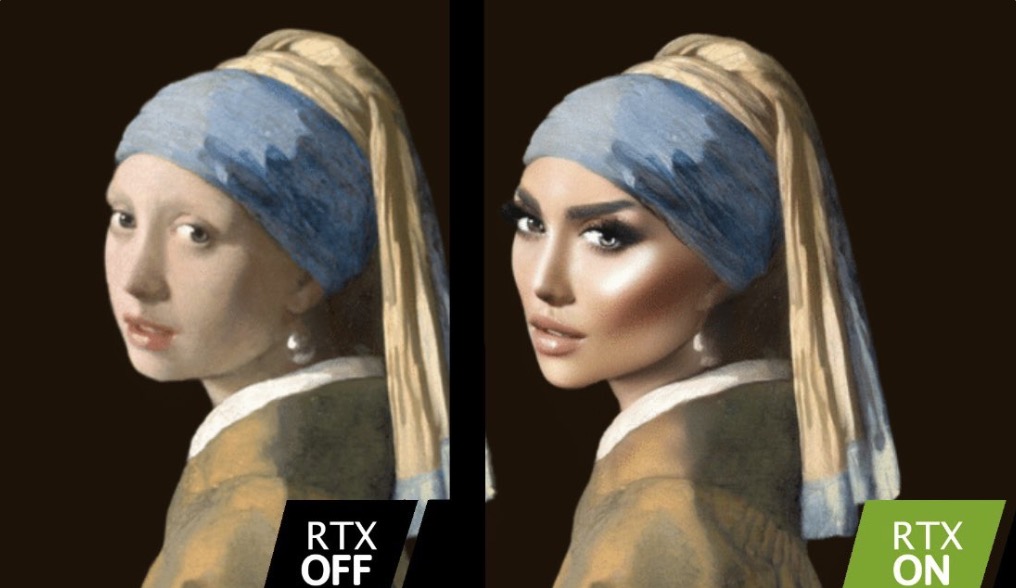


When DLSS 5 arrives this Fall, it will be supported by a massive roster of highly anticipated titles, including Hogwarts Legacy, Delta Force, Where Winds Meet, Black State, Phantom Blade Zero, EA SPORTS FC™, and even The Elder Scrolls IV: Oblivion Remastered. As gamers prepare for this tectonic shift in visual quality, early previews at this week’s GTC event are already proving that the line between rendering and reality has never been thinner.