

Built for security teams and trusted by Anthropic, the Claude Security plugin brings an autonomous team of AI agents directly to your local development environment to hunt vulnerabilities and generate actionable patches.
- A Virtual Security Team in Your Terminal: The plugin deploys a multi-agent system that maps your architecture, builds a threat model, and hunts for vulnerabilities, with agents independently peer-reviewing findings before generating a report.
- Unparalleled Reach and Privacy: Because it runs entirely within your local Claude Code session, the plugin can audit code in isolated network environments or self-hosted repositories like GitLab and Bitbucket that managed cloud services simply cannot reach.
- From Detection to Remediation: Beyond just finding flaws, the plugin generates specific, reviewable patches for your codebase, allowing developers to target full repositories, specific branch diffs, or individual commits with complete control over the final application.
In today’s fast-paced development landscape, securing a codebase often feels like a relentless game of catch-up. Traditional automated scanners generate mountains of noisy alerts, while human-led penetration testing is too slow and expensive to run on every commit. Bridging this gap requires a paradigm shift. Enter the Claude Security plugin—a tool built specifically for security teams and rigorously utilized by Anthropic itself. By integrating seamlessly into a Claude Code session, this plugin transforms standard vulnerability scanning into a dynamic, intelligent, and highly localized security audit.
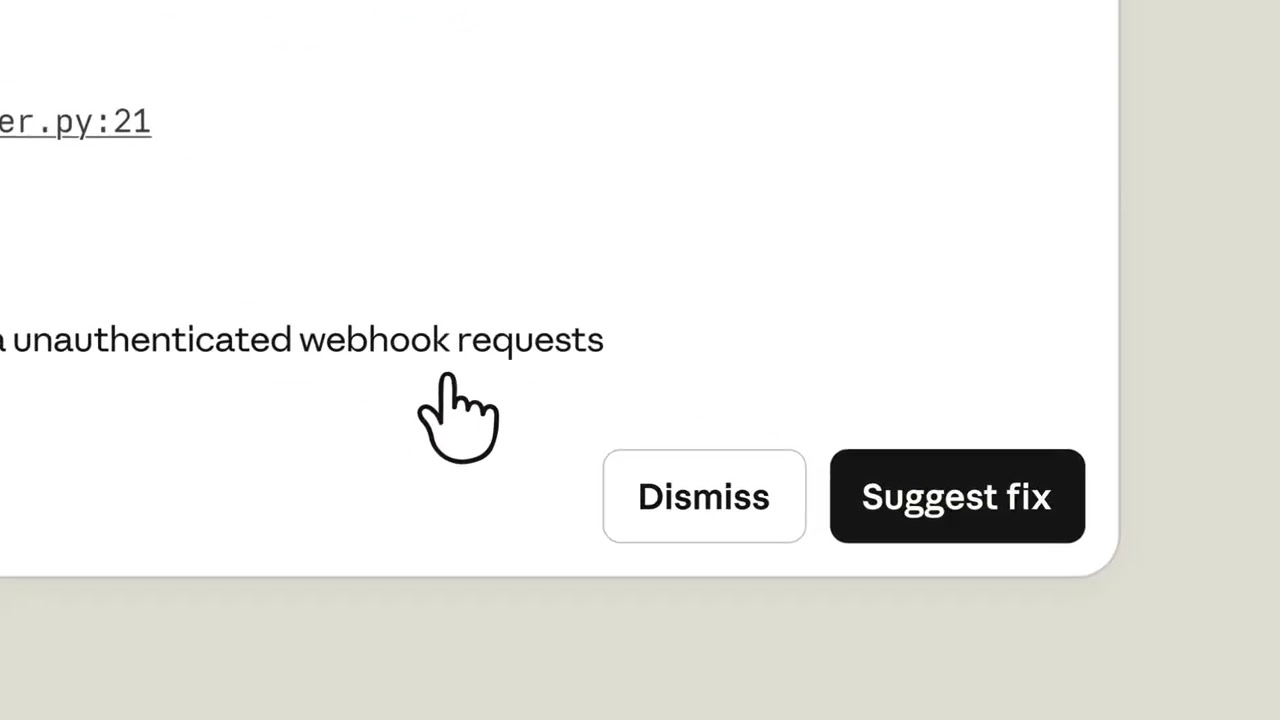
What truly sets the Claude Security plugin apart is its multi-agent architecture. When you initiate a scan, you aren’t just running a static script; you are deploying a specialized AI task force. One agent diligently maps out your software’s architecture, another constructs a comprehensive threat model, and a third actively hunts for exploits. Crucially, before any vulnerability is flagged in your final report, it is independently reviewed by yet another agent. This rigorous peer-review process ensures high-fidelity alerts and significantly reduces the false positives that plague traditional security tooling.
The flexibility of deployment is another major advantage for enterprise and security-conscious teams. While Anthropic offers a managed Enterprise security product for continuous repository monitoring, that service is naturally limited to the platforms it can connect to. The Claude Security plugin, however, runs completely locally within your session. This means it can effortlessly analyze code stored on internal networks, heavily firewalled environments, or platforms like GitLab and Bitbucket that might reject inbound connections from cloud services. Note that while it runs locally, the sophisticated AI computations do consume tokens against your paid plan’s usage limits.
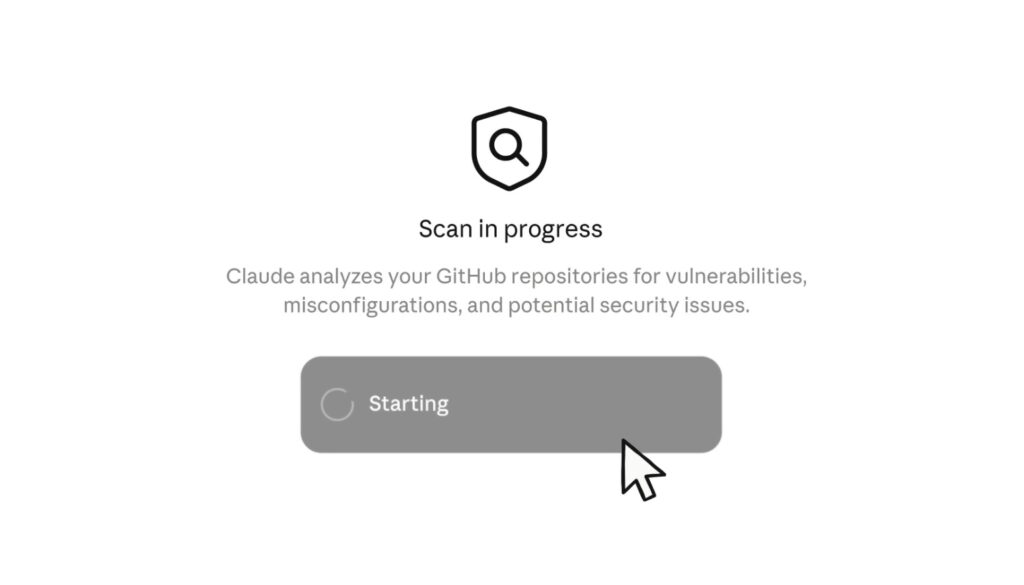
Integrating this AI security team into your daily workflow is surprisingly straightforward. It all begins with a simple /claude-security command, which opens a menu offering three core jobs: scanning the entire codebase, evaluating a specific set of changes, or suggesting patches. For a holistic view, you can trigger a full repository scan. For massive codebases where a full scan might be overkill, the plugin intelligently allows you to scope your audit. You can direct it to focus purely on high-risk areas, such as your API layer or authentication modules, ensuring efficient use of time and tokens. The resulting report transparently outlines exactly what coverage was achieved.
Modern development is iterative, and the plugin adapts to this by offering hyper-targeted change scans. If you want to check your work before a merge, you can ask the plugin to analyze a specific branch’s diff, an open pull request, or even a single commit (e.g., “scan commit abc1234”). The tool will only scan committed changes, seamlessly verifying your work in progress. If you are scanning pull requests, the plugin securely leverages the GitHub CLI (if authenticated) to fetch your open PRs, making code reviews faster and safer.
Identifying a vulnerability is only half the battle; fixing it is where the Claude Security plugin truly shines. After a scan completes—depositing its findings in a timestamped directory—you can run the /claude-security command again and select “Suggest patches.” The AI will generate tailored fixes for the vulnerabilities you choose to address, placing them in a dedicated patches/ folder. Recognizing that developers must always retain ultimate authority over their codebase, these patches are never applied automatically. You simply review the code and apply it manually using git apply in a fresh pull request.
To ensure the engine runs smoothly, the plugin requires a modern environment: macOS, Linux, or Windows running Claude Code v2.1.154 or later on a paid plan. Because it relies heavily on “dynamic workflows” to orchestrate its multi-agent team, this feature must be enabled in your /config. Furthermore, it utilizes Git for version control operations and requires Python 3.9.6 or later on your system PATH. Impressively, it relies strictly on the Python standard library, meaning there are no messy external dependencies to install. For the most frictionless experience, users are encouraged to run the tool in “auto mode,” allowing the agents to seamlessly hand off tasks to one another without pausing for human permission at every micro-step.
The Claude Security plugin acts as the ultimate capstone to your security tooling stack. While the standard security guidance plugin acts as a co-pilot reviewing code as you type, and tools like /security-review offer a quick single-pass check, this multi-agent plugin provides a deep, comprehensive audit. It brings the rigor of a dedicated security team directly into your terminal, fundamentally upgrading how developers build, review, and patch modern software.