

Brands are increasingly deploying hyper-realistic deepfakes to mimic genuine customer experiences, sparking an urgent debate over transparency, trust, and truth in modern advertising.
- The Rise of Fake Testimonials: Brands are quietly utilizing AI-generated influencers to fabricate genuine-looking customer experiences, often requiring human creators to sign non-disclosure agreements to keep the practice a secret.
- Real-World Deception: Companies ranging from photo apps to fashion brands have been caught using AI avatars—sometimes exposed by tell-tale signs like extra fingers—while defending the practice as “creative testing.”
- A Regulatory Divide: While the EU is preparing to enforce strict labeling rules for AI-generated content this August, regulators in the UK currently have no specific mandates requiring brands to disclose the use of AI influencers.
In the endless scroll of social media, authenticity has always been the ultimate currency. We trust the teary-eyed bride recommending a wedding app, or the excited homeowner praising a new interior design tool, because we believe in shared human experiences. However, a recent investigation by the Guardian has pulled back the curtain on a growing and deceptive trend: the quiet deployment of AI-generated influencers by brands seeking to manufacture that very authenticity.
Companies are increasingly turning to AI-generated content that purports to show genuine customer experiences. Alarmingly, they are doing so while giving consumers absolutely no obvious indication that the people featured on their screens are not real. The veil of secrecy surrounding this practice is so thick that some content creators tasked with generating these digital influencers are being forced to sign non-disclosure agreements (NDAs) to ensure they cannot speak about their work. As one director fighting back against the AI tide noted, “Ordinary people are being erased.”
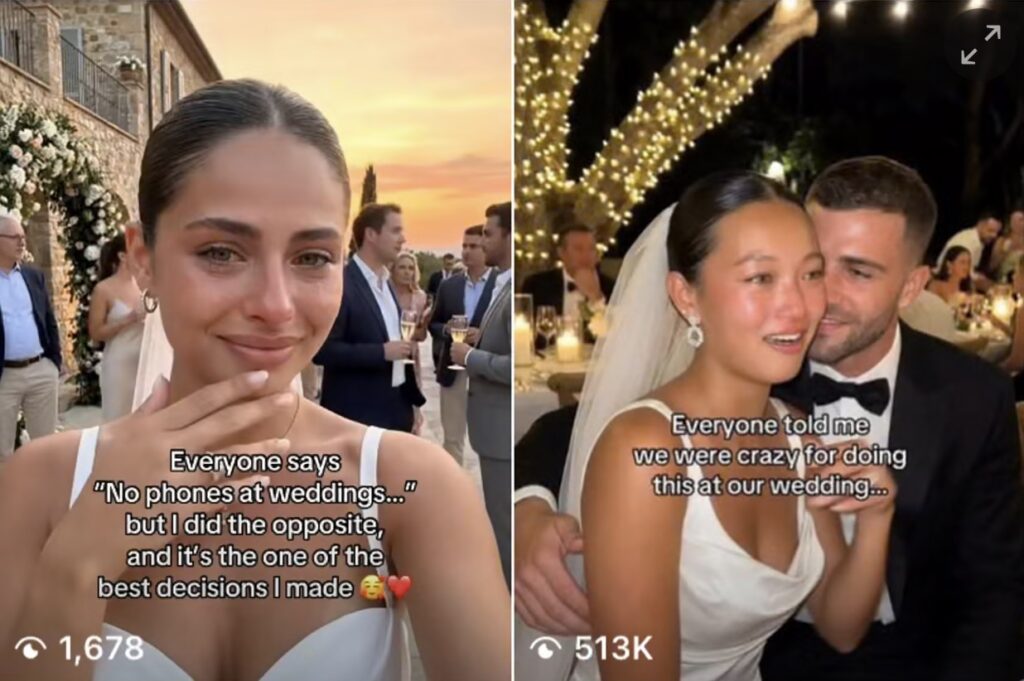
The infiltration of these phantom endorsers spans multiple industries. Take, for instance, a photo app called Once, which allows users to create disposable camera-style photographs. Reality Defenders, a cybersecurity firm specializing in deepfake detection, analyzed promotional videos for the brand on Instagram. The ads featured a bride crying tears of joy, claiming she was thrilled to have used the app at her wedding, stating, “Everyone expected a no-phone wedding, so I gave them cameras instead.” When pressed about the use of an AI bride, the company did not respond to requests for comment.
Similarly, an AI-generated woman appeared in an ad for Maket, an app used to design and plan housing projects. “I could kiss the interior designer who showed me this,” the digital avatar declared. When confronted, Maket defended the practice, stating that AI influencers are merely an “experiment to better understand what resonates with audiences” and a way to test marketing hooks at a small scale, rather than a core marketing strategy.
Sometimes, the illusion breaks due to the sheer limitations of current technology. Ashle, a Dubai-based fashion brand, posted a lifestyle photograph of a woman wearing its clothes at a restaurant. Eagle-eyed viewers might have noticed a glaring digital hallucination: the woman appeared to have an extra finger. After the Guardian inquired about the image, the brand swiftly deleted it. A spokesperson for Ashle clarified that while their physical garments are real and handmade, they had utilized AI during their initial launch phase to “showcase designs,” claiming the photos were removed because the items were no longer in the collection, not because they were outed as AI.
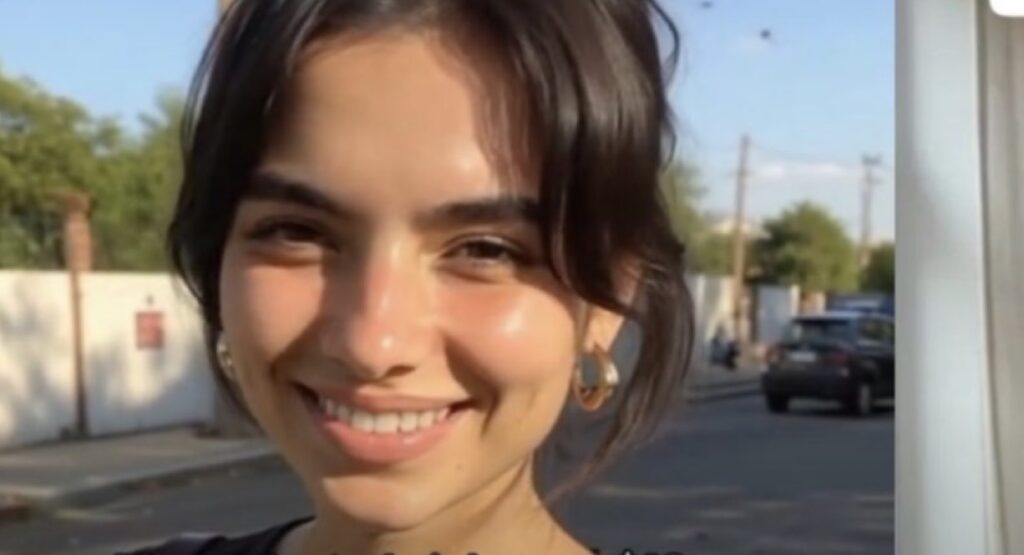
This covert digital marketing boom raises massive red flags for consumer protection. Lisa Barber, the Tech editor at consumer group Which?, points out a terrifying statistic: their recent investigations found that a staggering 70% of people are unable to correctly identify all the real and fake videos shown to them. “It is concerning that consumers are not able to trust the content they are seeing online,” Barber warned, noting that this inability to spot deepfakes leaves the public highly vulnerable to both misleading advertising and malicious scammers. Which? is now actively calling for mandatory, clear information whenever promotional content features AI-generated figures instead of real human beings.
Despite the growing outcry, the regulatory landscape remains a wild west, highly dependent on where you live. In the European Union, the upcoming Artificial Intelligence Act will begin applying in August. This landmark legislation will require all AI-generated or manipulated content—including deepfake images, audio, and video—to be clearly labeled.
This legislation will not apply in the UK, leaving British consumers largely unprotected from undisclosed AI marketing. The Advertising Standards Authority (ASA) has openly admitted that there is currently nothing in its rulebook that explicitly prohibits brands from posting AI-generated promotional content without disclosing it. An ASA spokesperson noted that while there are “no disclosure rules for AI content labelling,” the content must still adhere to broad advertising rules, meaning it must not be misleading and must be socially responsible. The regulator clarified that the use of AI itself is not the issue they assess when considering consumer complaints.
As the technology behind deepfakes becomes cheaper, faster, and indistinguishable from reality, the line between genuine consumer advocacy and algorithmic manipulation will only continue to blur. Until global advertising standards catch up to the speed of artificial intelligence, consumers will have to navigate a social media landscape where seeing is no longer believing.