

Moving beyond simple chat interfaces, the open-source Kimi K2.6 deploys hundreds of parallel agents to autonomously code, analyze, and generate complete, presentation-ready products in a single run.
- Unprecedented Swarm Scale: Kimi K2.6 utilizes an elevated architecture of 300 parallel sub-agents capable of executing up to 4,000 steps per run, drastically outperforming previous iterations and enabling complex, heterogeneous task execution.
- Tangible, Multi-Format Outputs: Instead of mere conversational text, a single prompt generates highly detailed, ready-to-use files—including 100-page PDF reports, 30-page PowerPoint presentations, and 20,000-row Excel datasets.
- State-of-the-Art Development: Beyond content generation, K2.6 functions as a reliable full-stack developer, capable of designing “Awwwards-level” user interfaces and building complete web applications with authentication and database operations.
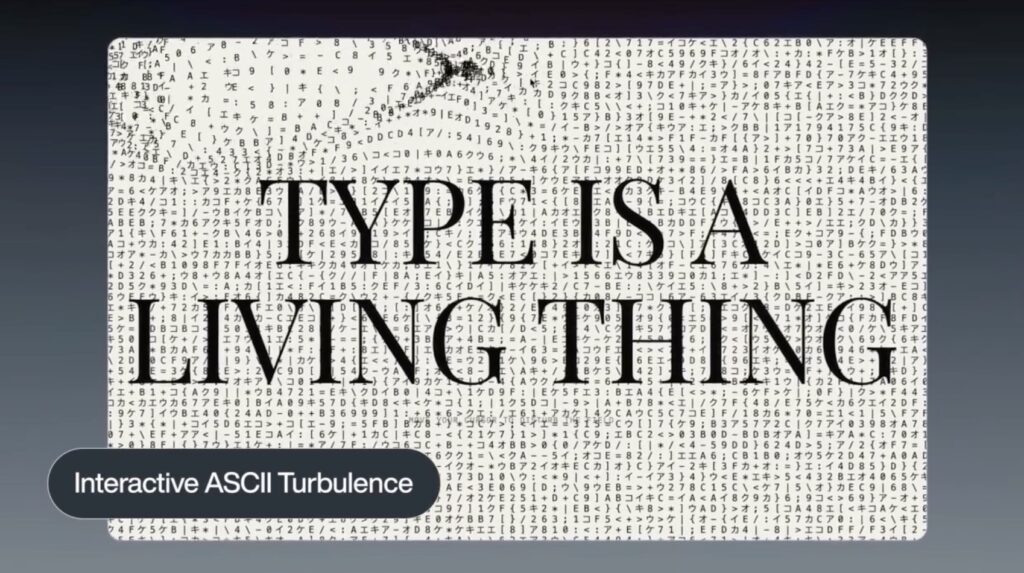
For years, the artificial intelligence landscape has been dominated by the chat interface—a one-to-one exchange where a user asks a question and an AI provides an answer. But as the demands of modern workflows grow, the limitations of this back-and-forth paradigm have become glaringly obvious. Enter Kimi K2.6, an open-source model that fundamentally shifts the paradigm from “chatting with an AI” to commanding a highly coordinated digital workforce. By introducing state-of-the-art long-horizon execution and an advanced agent swarm capability, Kimi K2.6 allows a single person to achieve what once required an entire team of researchers, designers, and developers.
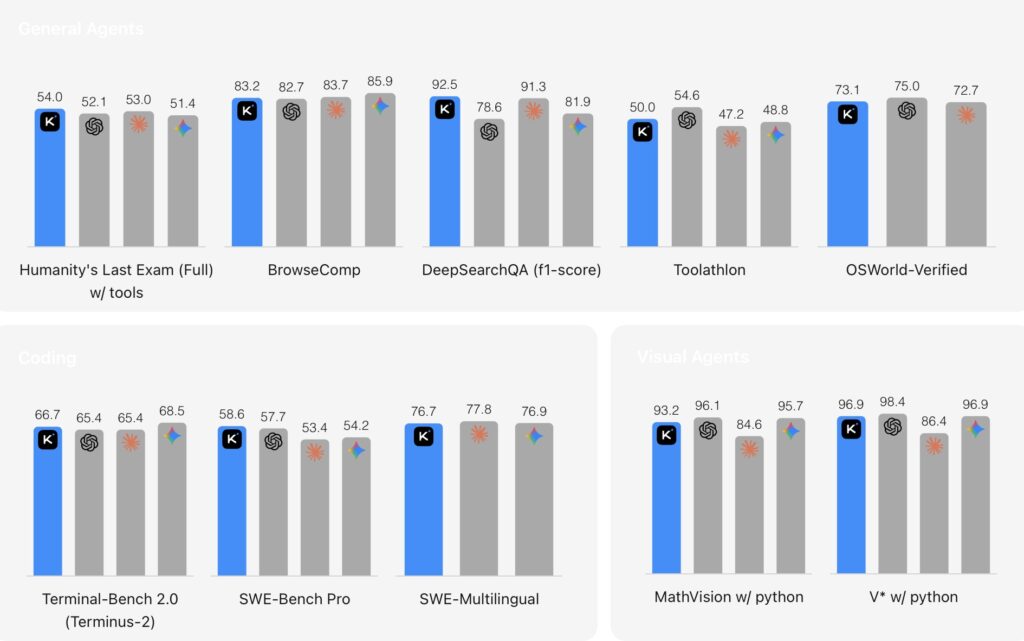
The most striking evolution in Kimi K2.6 is its sheer scale and processing architecture. Moving far beyond the capabilities of its predecessor, K2.5 (which utilized 100 sub-agents and 1,500 steps), the K2.6 update elevates the swarm to 300 parallel sub-agents that can run through an astonishing 4,000 steps per execution. This isn’t just about raw compute power; it is about heterogeneous skill sets working in perfect harmony. While one cluster of agents handles deep web search and data analysis, another is writing long-form content, a third is writing code, and a fourth is generating visuals. Because they operate in parallel, the complex workflows of a modern enterprise can be condensed into a single, unified action.
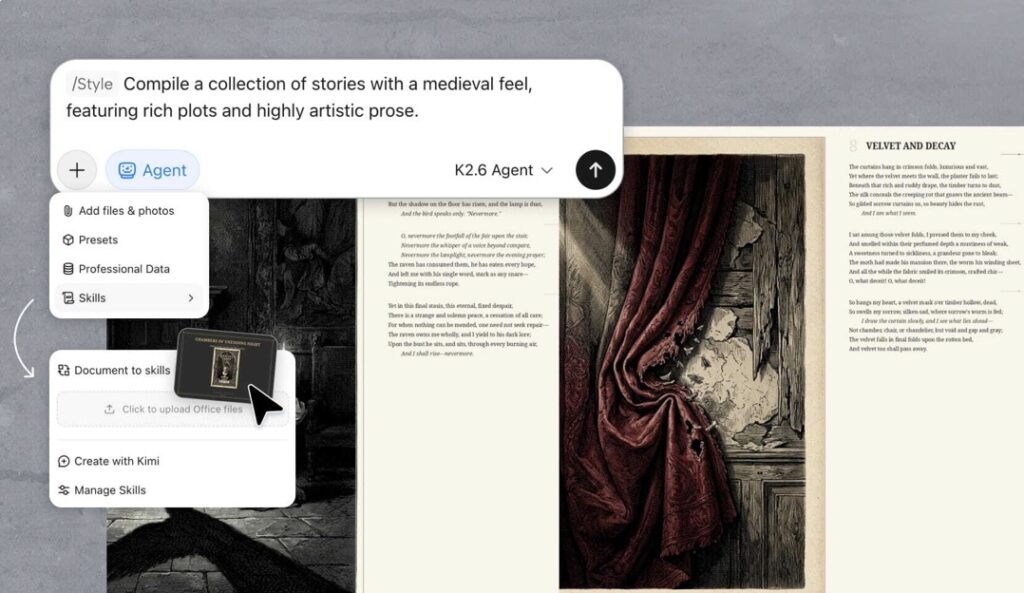
What truly separates Kimi K2.6 from the pack, however, is its output. It does not simply spit out a wall of text in a browser window. Instead, it ships real, tangible products that are immediately ready for professional use, natively downloadable as Word, PDF, PPT, or Excel files. The sheer volume and quality of what can be produced in one run is staggering. Feed the swarm 40 different PDFs, and it will synthesize them into a massive, 104-page, highly cited literature review alongside a dedicated dataset. Hand it 100 job descriptions, and it will simultaneously tailor 100 unique CVs. Provide a single astrophysics paper, and the swarm returns a 40-page comprehensive report, a 20,000-row dataset, and 14 astronomy-grade charts—a workflow that can even be saved as a reusable “Skill” for future projects. Whether you need a 100-page financial PDF report with an accompanying 30-page executive PowerPoint and 20 charts, or simply 10 highly creative, historically accurate tabloid-style magazine covers, K2.6 delivers it all from a single prompt.
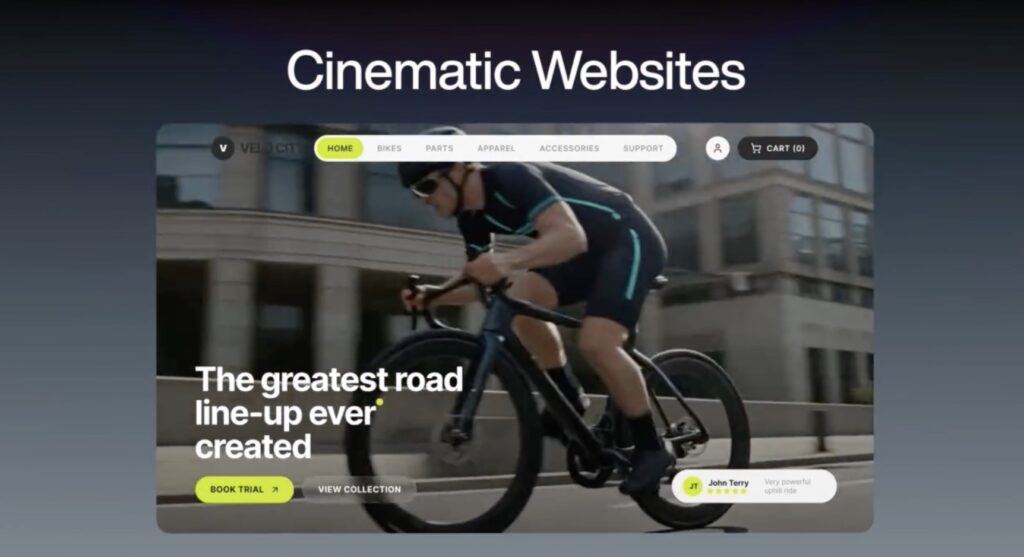
Beyond research and content generation, Kimi K2.6 establishes itself as a formidable force in software engineering and product design. The model is built from the ground up to transform simple text prompts into “Awwwards-level” front-end interfaces. It doesn’t just generate generic HTML; it crafts high-impact hero sections, interactive elements, and sophisticated scroll-triggered animations that feel meticulously designed rather than algorithmically assembled. But its capabilities go well beyond the surface. For lightweight use cases, Kimi K2.6 acts as a full-stack developer, effortlessly setting up user authentication, complex interactive logic, and database operations. You can literally build a complete, working website from one well-crafted prompt.
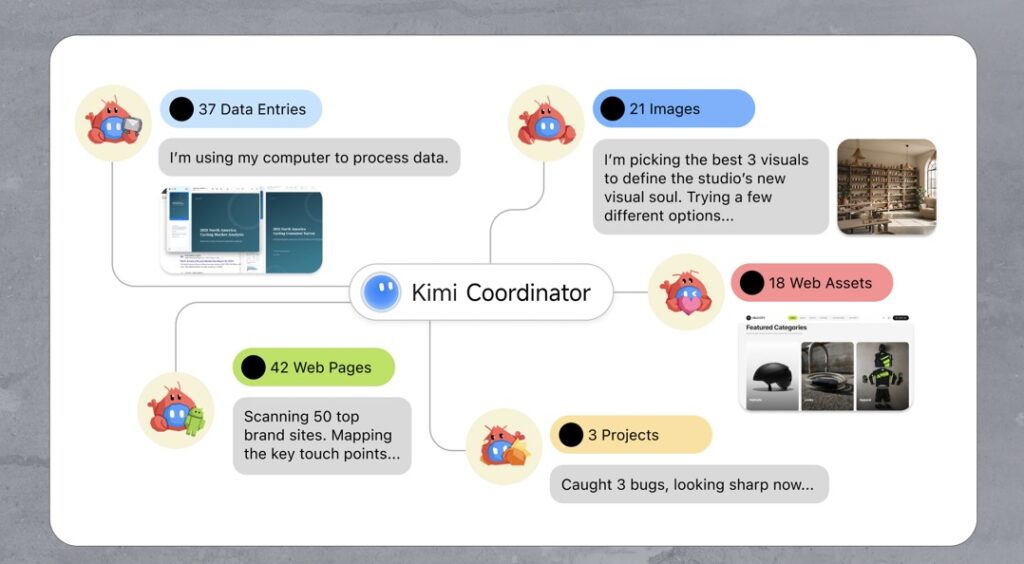
The true value of Kimi K2.6 lies in its reliability and alignment. When handling these complex, multi-step tasks, earlier AI models often required constant course correction and micro-management. Kimi K2.6, however, is designed for long-horizon execution. It stays strictly aligned with the user’s intent, minimizes unnecessary code or text changes, and possesses the autonomous ability to correct its own mistakes as it works. This means you spend less time guiding the AI and retrying prompts, and more time focusing on strategy and vision. Kimi K2.6 is not just an upgrade to a language model; it is the realization of the one-person enterprise, seamlessly bridging the gap from raw code to complete creation.