

A comprehensive look at the new features, adaptive thinking, and agentic improvements making this the most capable AI model to date.
- – Optimized for Speed and Efficiency: Introduces a lower 1,024-token minimum for prompt caching, a revolutionary “Fast Mode” preview for up to 2.5x faster outputs, and the ability to inject mid-conversation system messages to preserve cache hits and reduce costs.
- – Smarter, Calibrated Reasoning: Features dynamic “Adaptive Thinking” that reserves heavy computational power for complex multi-step problems, combined with a default “High” effort setting to tackle intricate, long-horizon agentic coding tasks without wasting tokens.
- – Refined Behavior and Easy Migration: Delivers significantly improved tool triggering and long-context compaction handling while maintaining structural consistency with Claude Opus 4.7, complete with automated migration tools for a seamless transition.

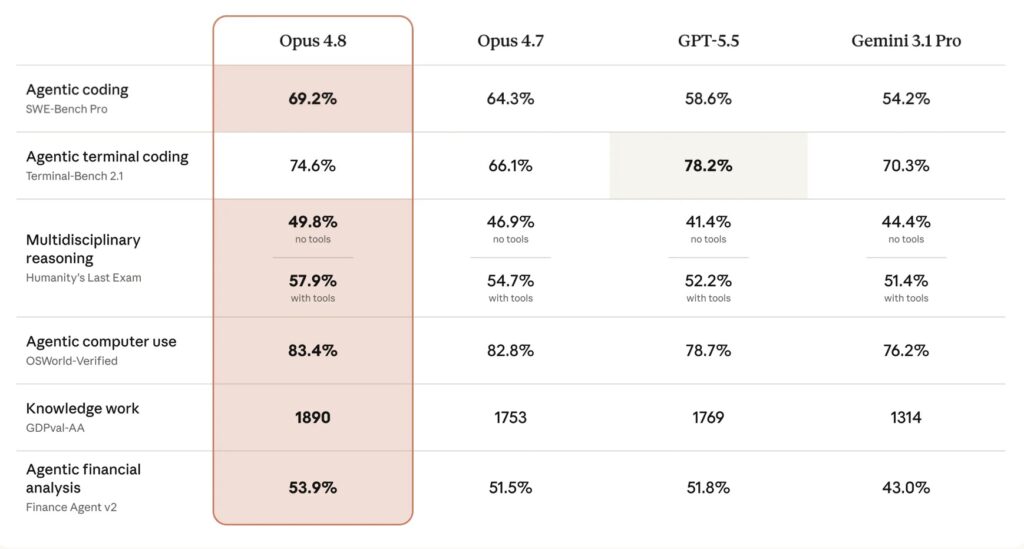
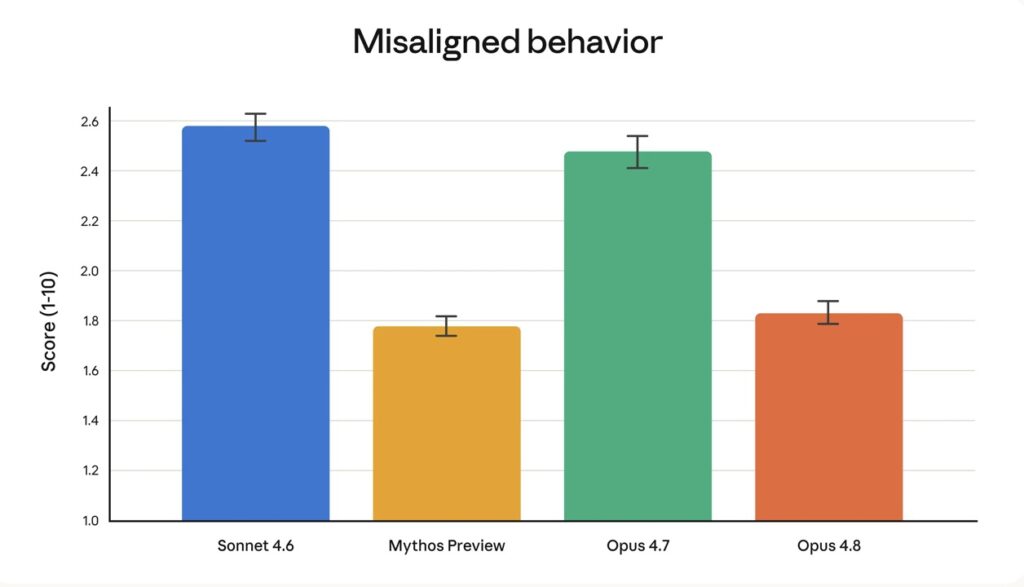
The landscape of artificial intelligence is evolving at breakneck speed, and Anthropic’s latest release marks a significant milestone for developers and enterprises alike. Claude Opus 4.8 arrives as the company’s most capable, generally available model to date. Built upon the robust foundation of its predecessor, version 4.7, this new iteration is engineered specifically for complex reasoning, high-autonomy workflows, and long-horizon agentic coding. By retaining a massive 1-million token context window by default across the Claude API, Amazon Bedrock, and Vertex AI (with 200k on Microsoft Foundry) and supporting up to 128k maximum output tokens, Claude Opus 4.8 is designed to handle the most demanding computational challenges you can throw at it.
One of the most immediate enhancements developers will notice is the laser focus on operational efficiency and speed. Anthropic has introduced a Fast Mode—currently available as a research preview on the Claude API at premium pricing. By setting speed: "fast", users can achieve up to 2.5x higher output tokens per second from the same powerful model. Complementing this need for speed is a highly optimized caching architecture. The minimum cacheable prompt length has been significantly lowered to just 1,024 tokens. This means that shorter prompts, which previously could not be cached in version 4.7, will now automatically create cache entries without requiring a single line of code change.

To further streamline long-running agentic loops, Claude Opus 4.8 now supports Mid-conversation system messages. Developers can inject role: "system" messages directly after a user turn within the messages array. Rather than restating the entire system prompt and losing valuable cache hits, you can append updated instructions on the fly. This brilliant addition not only preserves prompt cache hits from earlier turns but also drastically reduces input costs for complex, ongoing interactions.
When it comes to raw brainpower, Claude Opus 4.8 introduces a more nuanced approach to problem-solving. The model now defaults to a High Effort setting across all surfaces, including the API and Claude Code, ensuring maximum rigor out of the gate. However, the true standout feature is Adaptive Thinking. When explicitly enabled via thinking: {type: "adaptive"}, the model dynamically evaluates whether a prompt requires deep contemplation. For simple data lookups or short agentic steps, it responds instantly. For complex, multi-step problems, it pauses to reason before generating an answer. This intelligent calibration drastically reduces wasted “thinking tokens” on bimodal workloads, making the model both smarter and more cost-effective.

Claude Opus 4.8 addresses several friction points experienced in earlier builds. Long-horizon agentic coding is notably smoother, boasting better long-context handling, fewer disruptive compactions, and excellent compaction recovery. This ensures that extensive agentic traces stay perfectly on task without derailing over time. Additionally, the model features much more reliable tool triggering, practically eliminating the frustrating instances where a necessary tool call might be skipped. Application routing has also been upgraded; the stop_details object on refusal responses is now publicly documented, providing specific categories of refusals. This transparency makes it significantly easier for your application to distinguish between different classes of declined requests and guide the user appropriately.
For developers ready to make the jump, the transition is designed to be as frictionless as possible. Claude Opus 4.8 inherits the same API constraints as version 4.7, meaning existing code will largely run out of the box. Crucially, sampling parameters like temperature, top_p, or top_k remain unsupported; setting them to non-default values will return a 400 error, reinforcing Anthropic’s philosophy of using high-quality prompting to guide model behavior rather than tweaking numerical dials. For those utilizing Claude Code or the Agent SDK, a dedicated Claude API skill is available to apply all necessary migration steps to your codebase automatically, ensuring you can leverage the power of Claude Opus 4.8 immediately.