
Microsoft’s CEO wants to shift the narrative from hype to utility, but technical flaws, fierce competition, and neglected legacy products threaten to undermine the “real world impact” he promises.
- The Shift to Substance: CEO Satya Nadella urges the industry to move past arguments about “AI slop,” claiming 2026 will be the year AI transitions from mere spectacle to a “cognitive amplifier” with real-world utility.
- The Ecosystem Reality: Despite the executive optimism, users face forced, often dysfunctional Copilot integrations, prompting a rise in migration to Linux and Google Gemini as Microsoft neglects core products like Surface and Xbox.
- The History of Hype: Critics draw parallels between Nadella’s current AI rhetoric and the failed “Metaverse” push of previous years, warning that ignoring the company’s foundation—Windows and Office—could be a fatal error.
In his closing comments of 2025, Microsoft CEO Satya Nadella set a distinct tone for the new year: stop calling it “slop.” In a “Looking Ahead to 2026” post via LinkedIn, Nadella argued that the industry must move beyond the initial phase of discovery and argument. “We are beginning to distinguish between ‘spectacle’ and ‘substance’,” Nadella wrote, asserting that 2026 will be pivotal for widespread diffusion of the technology.
Nadella’s core thesis is that AI is evolving into a “cognitive amplifier” rather than just a generator of content. He emphasizes that for AI to gain true “societal permission,” it must demonstrate real-world evaluation and impact. He envisions a “new equilibrium” in our theory of mind, where humans are naturally equipped with these digital tools to solve challenges for people and the planet.
The Disconnect Between Vision and User Experience
While Nadella speaks of “engineering sophistication,” the on-the-ground reality for Microsoft users paints a different picture. The Microsoft ecosystem is currently saturated with AI integrations, yet the transition from quantity to quality remains elusive.
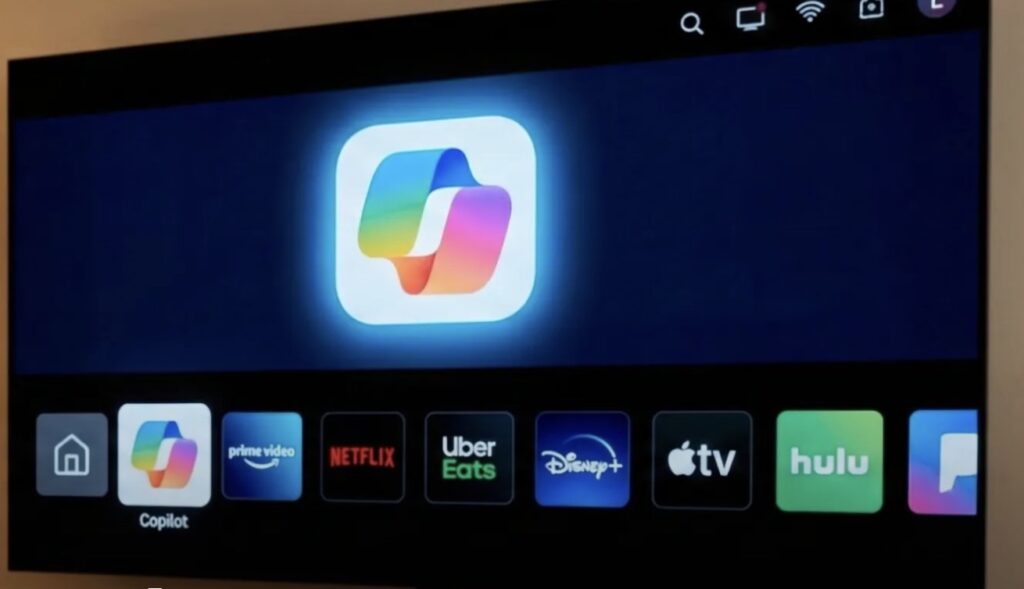
- Forced Integration: Copilot is now the “tip of the spear,” pre-installed on Windows PCs and mobile devices. However, these integrations are often viewed as forced and functionally limited.
- Technical Failures: Basic touted features, such as generative editing in Microsoft Photos or subtitle generation in Clipchamp, frequently fail to work as advertised.
- Competitive Lag: While Microsoft was an early leader via OpenAI, Google Gemini is rapidly outpacing the competition, particularly in enterprise integrations.
This disconnect has consequences. There is a perceptible degradation in the quality of the Windows experience, driving unprecedented interest in consumer-grade Linux distributions. While entire governments explore abandoning Windows, Microsoft seems laser-focused on AI to the exclusion of addressing price gouging on Xbox or the apparent abandonment of the Surface hardware line—neither of which Nadella mentioned in his update.
Scaffolding or Replacement?
A major point of contention in Nadella’s manifesto is the description of AI as “scaffolding” for human potential rather than a substitute. This optimistic view clashes with the economic reality of the “AI bubble.” Wall Street’s hunger for automation has already led to significant layoffs at Microsoft, even as the company boasts that 30% of its code is now written by AI.
Critics argue this hasn’t led to a visible increase in customer satisfaction or product quality. Instead, the discourse remains dominated by memes, hallucinations, and a lack of profitability that has leading economists nervous. The claim that AI is merely a helper tool feels to many like a “wilfully dishonest” narrative masking a drive for cost-cutting automation.
The Ghost of the Metaverse
Perhaps the most damning critique of Nadella’s 2026 outlook is the parallel to the recent past. Only a few years ago, Nadella utilized similar “technobabble” to promote the Metaverse—promising holograms and heads-up displays that would revolutionize work. Today, that vision sits in the graveyard of hype alongside NFTs, with Apple scaling back Vision Pro and Meta burning billions on the concept.
Nadella is an undeniably savvy businessman who successfully pivoted Microsoft to the cloud. However, by treating AI with the same “utopic” fervor as the Metaverse while neglecting the “legacy” products (Windows, Office) that form the company’s actual foundation, he risks falling into a classic trap.
As 2026 begins, Microsoft stands at a crossroads. The CEO is calling for a move away from “models” to “systems” that offer substance. Yet, without attending to the feedback of the customers who built the company’s success, the gap between the corporate vision and the user experience will likely widen. Until Microsoft’s tools stop requiring prompt engineering expertise to be vaguely useful, and until they stop breaking basic workflows, the “slop” label Nadella despises is likely to stick.