
From “Impossible” to Production—The Radical Shift in Film Financing
- The Funding Flip: Academy Award-winner Roger Avary reveals that while traditional film financing has dried up, attaching the “AI” label to a project acts as an immediate magnet for investor capital.
- A New Studio Era: Through his new banner, General Cinema Dynamics, Avary has pivoted from struggling for greenlights to having three diverse features in active production.
- The Industry Paradox: While the “AI boom” is accelerating careers for some, it is sparking legal warfare for others, highlighted by the MPA’s recent crackdown on hyper-realistic AI video generators like Seedance 2.0.
The landscape of Hollywood has always been defined by who holds the keys to the kingdom. For decades, those keys belonged to traditional studios and a rigid system of greenlighting that relied on “the old way” of doing things. However, Roger Avary—the Oscar-winning co-writer of Pulp Fiction—recently shared a startling revelation on the Joe Rogan Experience: the traditional route is officially broken. For a filmmaker of his caliber, getting a movie made through conventional means had become “impossible.”
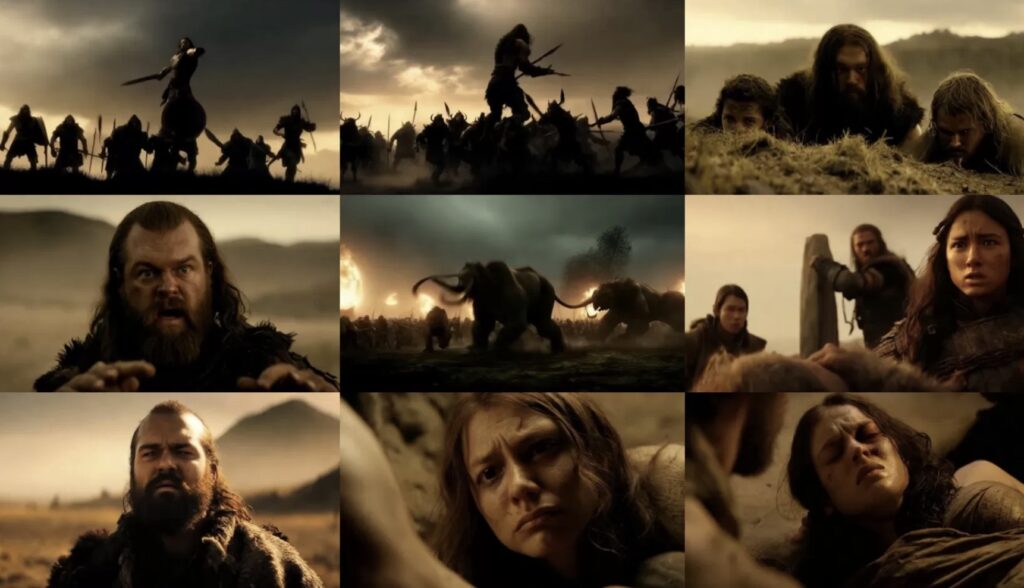
The solution to this creative deadlock wasn’t a better script or a bigger star; it was a rebranding. Avary founded General Cinema Dynamics, an AI-based production company, and witnessed an overnight transformation in how the industry viewed his work. By simply positioning himself as a technology-based company and “putting AI in front of it,” the floodgates of investment flew open. What was once a struggle for a single greenlight has turned into a slate of three features currently in production, ranging from a family Christmas movie and a faith-based Easter project to a sprawling romantic war epic.

This shift highlights a bizarre new reality in the entertainment business: investors are no longer just buying stories; they are buying into the tech hype. For Avary, the pivot was a pragmatic necessity. “All of a sudden, boom, like that, money gets thrown at it,” he noted, contrasting the ease of the tech-forward approach with the agonizing friction of the traditional studio system. It suggests that in the current economy, the “AI” tag serves as a magical incantation that bypasses the skepticism of modern financiers.
However, this “gold rush” isn’t without its casualties and controversies. As filmmakers like Avary leverage AI to streamline production and secure funding, the broader industry is bracing for a seismic impact. The tension reached a boiling point this week following the viral success of a clip generated by Seedance 2.0. Using a mere two-line prompt, the AI produced a hyper-realistic fight scene between Tom Cruise and Brad Pitt, prompting an immediate and fierce backlash from the Motion Picture Association (MPA).
The MPA’s denunciation of ByteDance (the parent company of Seedance) signals a brewing legal war over copyright and creator rights. While Avary uses AI as a tool to get his original visions onto the screen, the MPA argues that services like Seedance 2.0 operate on “unauthorized use of U.S. copyrighted works on a massive scale.” This creates a dual reality for the future of cinema: one where AI is a lifeline for frustrated creators, and another where it is viewed as an existential threat to the very foundations of American jobs and intellectual property.
Ultimately, the “Avary Method” proves that the industry is at a tipping point. Whether Hollywood likes it or not, the era of “Just Put AI in Front of It” has arrived. The question remains whether the industry will find a way to balance this new efficiency with the legal and ethical safeguards required to protect the artists who built it.