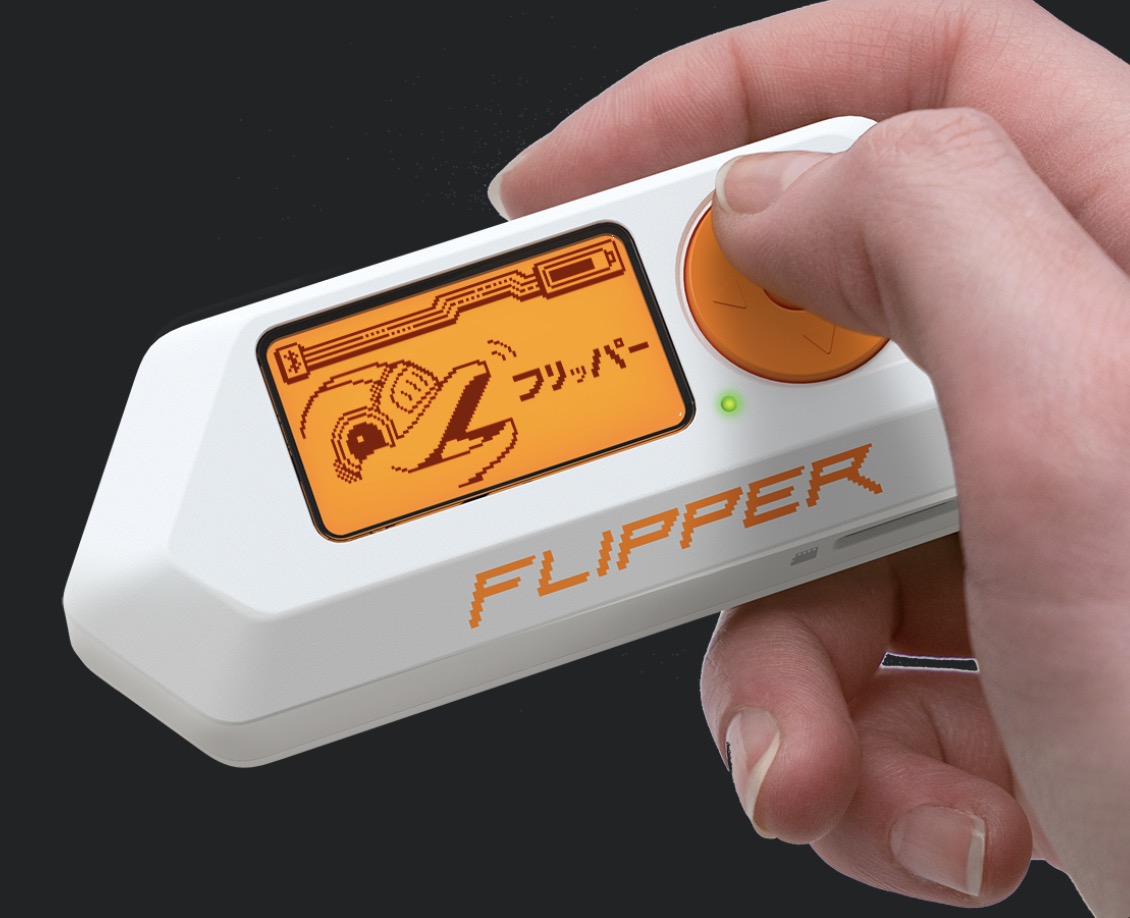
A new project called V3SP3R allows users to control the infamous pen-testing multi-tool using simple voice commands, sparking a culture clash within the cybersecurity community.
- AI Meets Pen-Testing: A new project from renowned jailbreaker Pliny the Liberator gives the Flipper Zero an AI-powered interface, allowing users to control the device with natural language prompts.
- Lowering the Technical Bar: By automating complex tasks like memorizing SubGHz protocols and IR formats, the app makes the infamous hacking tool significantly easier for novices to use.
- Community Backlash: Traditional Flipper Zero fans are rejecting the upgrade, prompting the developers to accuse the community of gatekeeping the “rarefied hacker air.”
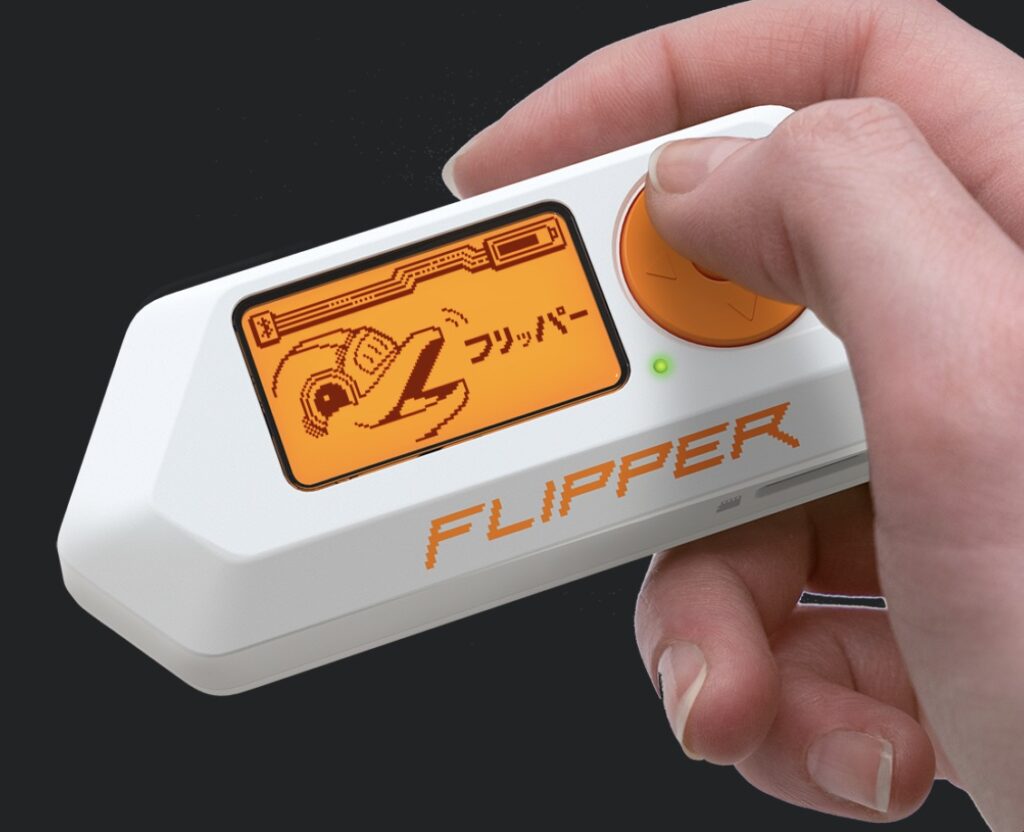
The Flipper Zero has long been the darling of the cybersecurity world—and a massive headache for the authorities. This pocket-sized, Tamagotchi-esque multi-tool is designed for penetration testing, but it has repeatedly made headlines for its more legally dubious applications, ranging from mimicking building access badges to allegedly aiding in car-hacking efforts and credit card skimming. Now, this controversial device is getting an upgrade that threatens to fundamentally change how it is used: an artificial intelligence brain.
A new project released on GitHub, dubbed V3SP3R, aims to eliminate the Flipper Zero’s infamously clunky, button-heavy menus. Developed by notorious jailbreaker and Time 100 AI honoree Pliny the Liberator, V3SP3R provides a chatbot-style interface that lets users execute tasks using plain-language voice or text prompts. Instead of manually dialing in frequencies or navigating nested folders, a user can simply tell the device what they want to accomplish. The AI acts as a translator, taking a casual request and automating the highly technical backend work required to make it happen, such as identifying and deploying the correct SubGHz protocols or IR formats.
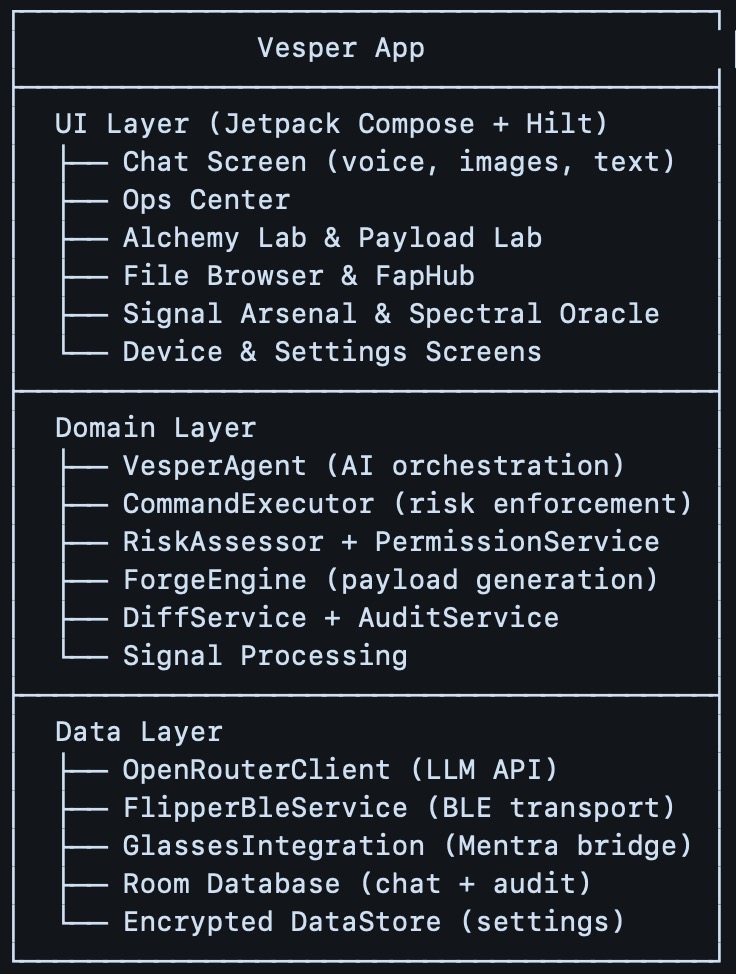
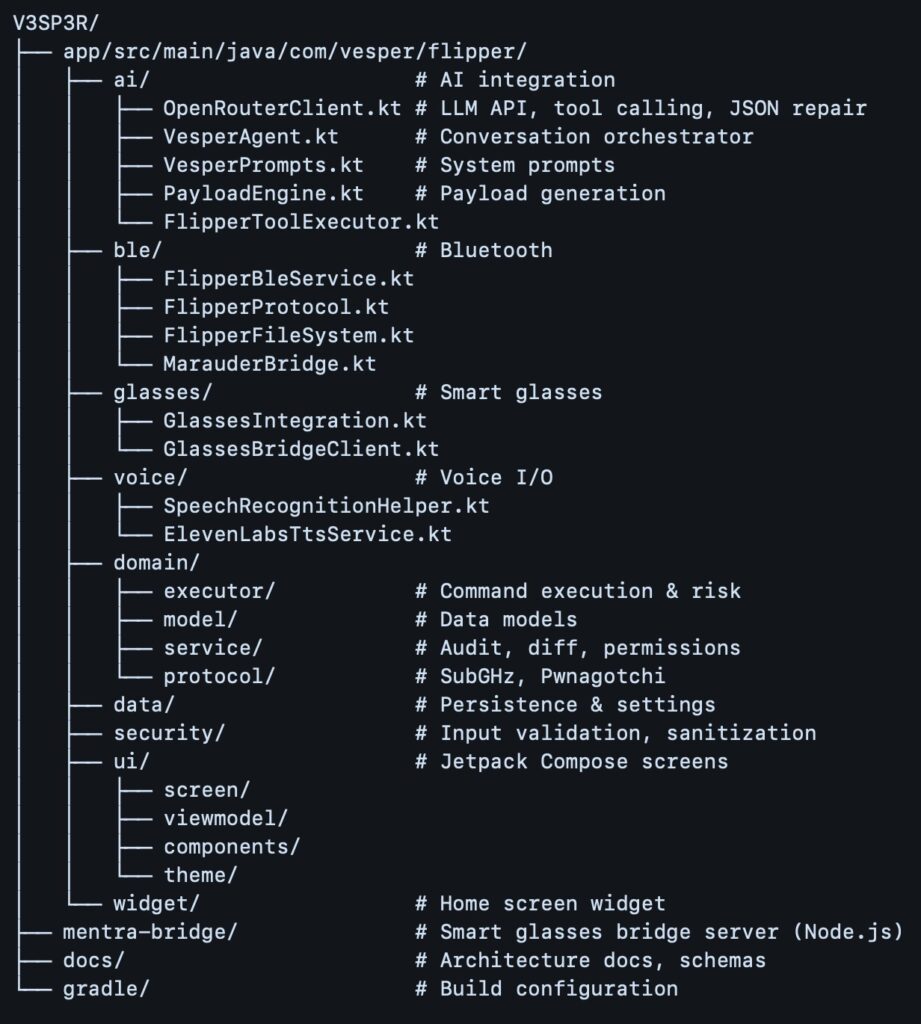
The V3SP3R interface is only accessible to Android users willing to compile the application APK from GitHub and install it directly onto their devices. Once set up, the app communicates seamlessly with the Flipper Zero via Bluetooth. Noticeably absent is an iOS version—a reality that isn’t particularly surprising given Apple’s historically frosty relationship with the makers of the Flipper Zero.
To demonstrate V3SP3R’s capabilities, IoT hacker and YouTuber Matt Brown recently published a video showing the app in action. Brown used the AI interface to detect, analyze, and ultimately hijack the signal of an internet-connected lamp, successfully controlling the fixture entirely through the Flipper Zero. While giving an AI the autonomy to execute code on your behalf carries inherent risks, the developers insist they have implemented strict safety protocols. The app’s architecture reportedly requires explicit user confirmation before the Flipper Zero can carry out any “destructive operations.”
Despite the credibility lent to the project by figures like Brown and Pliny the Liberator—which proves this isn’t simply a malicious hack job designed to compromise users’ devices—the core Flipper Zero community is distinctly unimpressed. On the r/FlipperZero subreddit, the reception has been ice-cold. An initial post announcing the project received almost no engagement, while a subsequent thread was met with outright hostility. Users dismissed the tool with a flat “No thanks!” and criticized the project as feeling “AI-generated.” When a user claiming to be a developer on the project stepped in to answer questions, they were heavily downvoted and pelted with mean-spirited replies.
This reaction highlights a deeper cultural rift within the cybersecurity and maker communities: the tension between accessibility and technical gatekeeping. Frustrated by the backlash, the V3SP3R developer scolded the naysayers for being unnecessarily obstinate. “The rarefied hacker air is gone,” the developer wrote, painting a picture of a future where anyone can look at a TV with AR glasses and simply say, ‘make me a remote for this TV.’ They added a pointed critique of the community’s attitude: “Don’t be snobs, guys. It’s not a good look.”
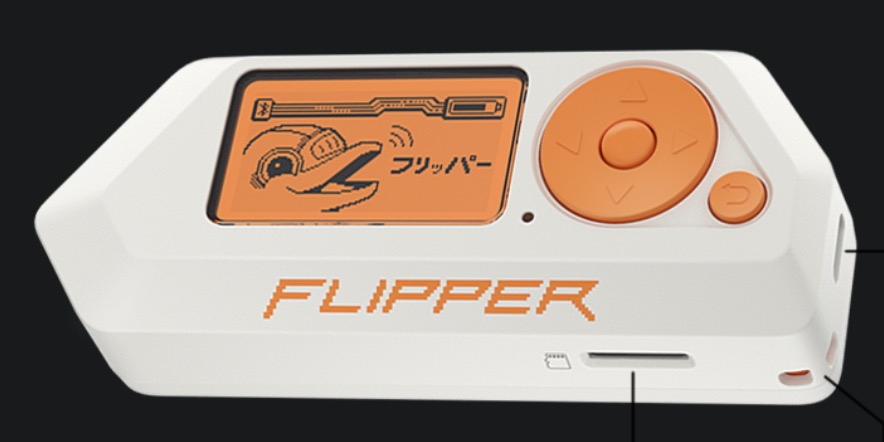
V3SP3R will almost certainly make the Flipper Zero more accessible to non-technical users by stripping away the steep learning curve required to master radio frequencies and signal cloning. However, novices do not make up the bulk of the Flipper Zero’s dedicated user base, meaning this AI upgrade may struggle to find widespread adoption among the purists. What is certain, though, is that lowering the barrier to entry for such a powerful tool will not do anything to make the Flipper Zero less controversial in the eyes of the public—or the law.