
How the very tools revolutionizing human productivity are systematically dismantling the digital ecosystems they rely on for survival.
- The Paradox of Productivity: While GenAI tools like ChatGPT and Claude offer unprecedented speed and utility to users, they are parasitic by nature, extracting value from data sources without offering compensation or traffic in return.
- Ecosystem Collapse: Major pillars of the internet—from Q&A sites like StackOverflow to open-source projects like Tailwind CSS and traditional publishing—are facing existential threats as AI synthesizes their content and cuts out the creator.
- The Path Forward: The current “scrape-and-generate” model is unsustainable. Experts suggest shifting to a “pay-per-use” revenue-sharing model, similar to Spotify, to ensure content creators are incentivized to keep feeding the AI.
Generative Artificial Intelligence (GenAI) has arrived with two distinct superpowers. The first is a productivity boom that feels like science fiction realized: writing code, creating images, and learning new skills at a velocity previously unimagined. The second superpower, however, is far more insidious. GenAI is quietly destroying the very ecosystems that made its existence possible.
Under the hood, Large Language Models (LLMs) function by extracting patterns and structures from massive datasets created by humans—books, forums, code repositories, and articles. While the AI companies and their users capture immense value from this synthesis, the original creators receive nothing: no revenue, no attribution, and no traffic. It is a digital Ouroboros—a snake eating its own tail. If the creators starve, the data dries up, and the AI eventually has nothing left to learn from.
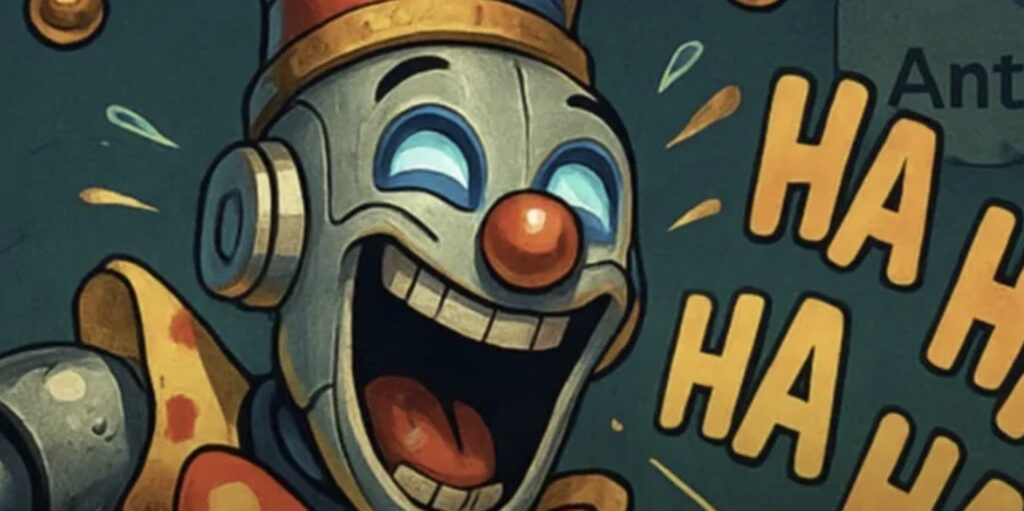
The Hollowing Out of Online Communities
The first casualty of this new paradigm is the online knowledge community. For over a decade, StackOverflow served as the definitive repository for programming knowledge. It functioned on a reciprocal social contract: users asked questions, experts answered them, and traffic flowed.
Today, that traffic is plummeting. Since the release of ChatGPT in 2022, the incentive to search a Q&A site has vanished. Why search for a thread and adapt the answer when an AI can generate the specific code you need instantly? While this makes the individual developer more productive, it breaks the feedback loop. If developers stop posting on StackOverflow, future iterations of AI will have no new data to train on.
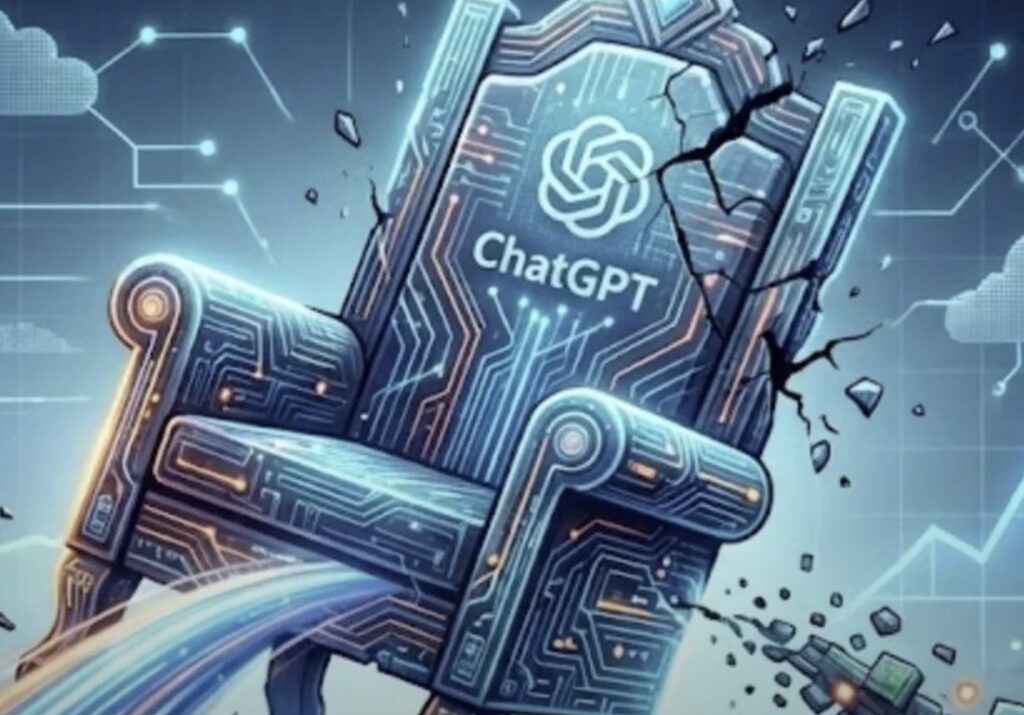
This trend extends beyond code. Quora appears largely dormant, Wikipedia faces increasing threats, and even Reddit—despite high traffic—is seeing a shift in utility. The “human element” of the internet is being bypassed entirely.
The Open Source Crisis: A Case Study
The economic damage is perhaps most visible in the open-source software community. Tailwind CSS, the most popular CSS library according to the 2025 State of CSS Survey, recently laid off 75% of its staff.
The logic behind the collapse is straightforward yet alarming:
- Reduced Discovery: Traffic to documentation is down over 40% because developers ask AI for syntax rather than reading the manual.
- Product Cannibalization: Tailwind funding relied on selling “Tailwind UI,” a premium component library. Now, GenAI can replicate these components instantly for free, bypassing the need to purchase the premium product.
Developers are getting value, and AI companies are getting value, but the creators of the tool are being crushed. This signals a future where open-source maintenance becomes financially impossible.
The End of Authorship?
The publishing world faces a similar crisis. AI has become the ultimate teacher—patient, non-judgmental, and infinite. However, this “teacher” obtained its knowledge through mass extraction.

Anthropic recently agreed to a $1.5 billion settlement for training on pirated books, and OpenAI has argued in court that creating AI without copyrighted material is “impossible.” With OpenAI seeking a valuation of $830 billion, these fines are merely the “cost of doing business.”
For authors, the math is bleak. Even with settlements, compensation might amount to a few dollars per hour of labor, while the AI platform retains all the long-term value. The result is “the great content collapse”: a potential future where human-authored content ceases to exist because the economic incentive to create it has been obliterated.
A Broken Economic Engine
The fundamental problem is a broken value chain. In the Search Engine Era (Google), the model was symbiotic:
- Search Engine: Organized information.
- User: Found answers.
- Creator: Received traffic (and ad revenue) via referrals.
In the GenAI Era, the chain is parasitic:
- GenAI: Extracts information.
- User: Gets the answer directly in the chat interface.
- Creator: Gets nothing.

Fixing the Loop: The Pay-Per-Use Model
If we want to avoid a stagnant internet filled with recycled bot content, we need a new economic model. Current attempts, like CloudFlare’s “pay-per-crawl,” miss the mark because they charge for access rather than value.
A more sustainable solution is a Pay-Per-Use and Referral System:
- Citations: GenAI answers should include footnotes citing specific sources (e.g., a book, a documentation page, or a Reddit thread). This returns trust to the user, allowing them to verify if advice comes from an expert or a hallucination.
- Revenue Sharing: Similar to Spotify or Netflix, GenAI companies should distribute a portion of subscription revenue to the creators whose data fueled the answers.
The technology to track source material exists. The question is whether the AI giants, currently racing toward trillion-dollar valuations, are willing to share the wealth before they starve the very ecosystem that feeds them.