
CEO Neal Mohan promises new generative tools for 2026, emphasizing AI as a creative partner rather than a replacement for human ingenuity.
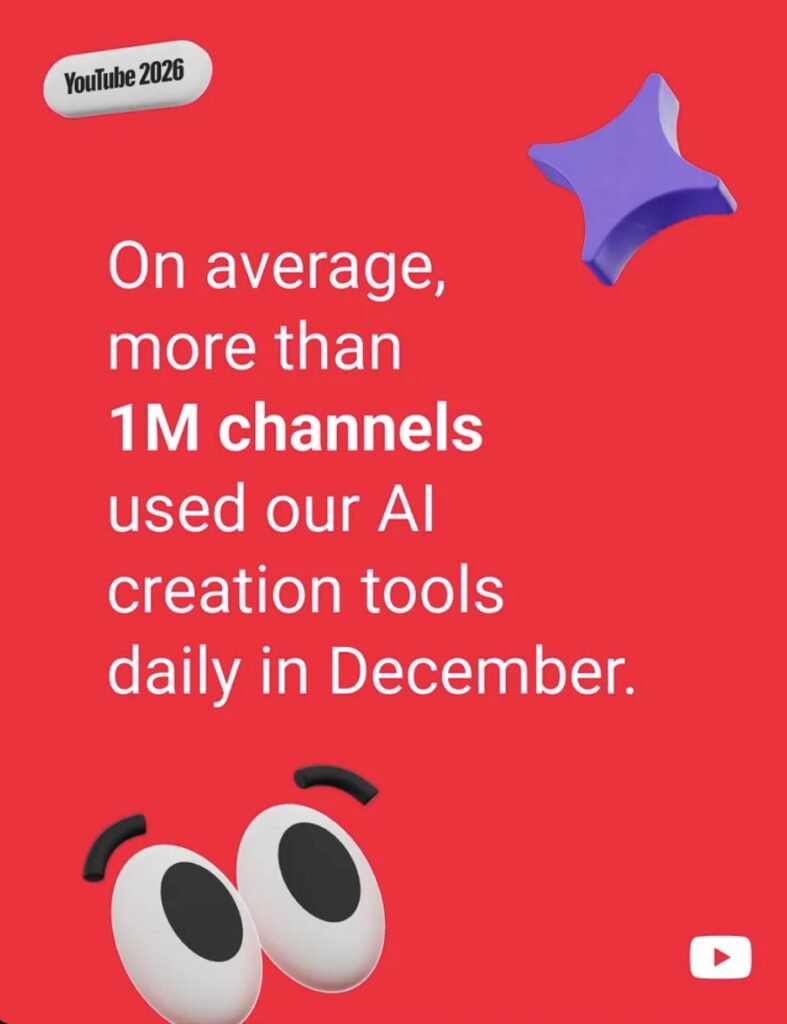
- AI Avatars Incoming: Starting in 2026, YouTube creators will be able to generate Shorts using their own AI likenesses, allowing for content creation without filming new footage.
- Expanded Creative Suite: Beyond avatars, the platform is introducing tools to produce playable games via simple text prompts and new ways to experiment with AI-generated music.
- Safety & Authenticity: To combat deepfakes and “AI slop,” YouTube is ramping up likeness-detection technology and refining its algorithms to filter out low-quality, repetitive synthetic content.
The landscape of digital content creation is shifting rapidly, and YouTube is positioning itself at the forefront of this evolution. With YouTube Shorts currently drawing a staggering 200 billion daily views, the platform is looking for ways to lower the barrier to entry for creators while keeping pace with competitors like TikTok. In his annual letter published this Wednesday, YouTube CEO Neal Mohan unveiled a futuristic vision for the platform: a world where creators can be present on screen without ever turning on a camera.
The Rise of the AI Creator
The headline announcement from Mohan’s letter is the introduction of tools that allow YouTubers to make Shorts using their own AI likenesses. Slated for a launch sometime in 2026, this technology implies a shift toward “digital twins,” where a creator can script a video and have their AI counterpart perform it.
While YouTube has remained tight-lipped regarding the specific mechanics of how this will work, the implication is clear: the constraints of physical production—lighting, wardrobe, and filming time—may soon be optional for quick-hit content. “That next YouTube Short you watch might not contain real footage of its creator,” implies a future where presence is virtual but the voice remains authentic.
A Broader Creative Ecosystem
This move is part of a larger strategy by Google, YouTube’s parent company, to integrate high-level generative AI into the video ecosystem. In September, Google announced the integration of Veo 3, a generative video model, into YouTube Shorts. This tool allows users to generate high-quality video backgrounds and clips, placing YouTube on a more competitive footing with TikTok’s creative suite.
However, the vision for 2026 goes beyond just video. Mohan noted that creators will soon be able to “produce games with a simple text prompt and experiment with music.” This suggests a pivot from YouTube being solely a video-hosting site to a multimedia interactive playground, where the line between video creator and game developer becomes increasingly blurred.
Tool for Expression, Not Replacement
Amidst fears that AI might displace human creativity, Mohan was careful to frame these advancements as supportive rather than destructive. “Throughout this evolution, AI will remain a tool for expression, not a replacement,” Mohan wrote.
The philosophy here is that AI should handle the friction of production, freeing up creators to focus on ideation and storytelling. By allowing creators to use their own likenesses, YouTube hopes to scale personal branding without the burnout often associated with the relentless demand for short-form video content.
The Battle Against “AI Slop” and Deepfakes
With great power comes the significant risk of misuse. As the line between reality and simulation thins, YouTube is acutely aware of the dangers associated with deepfakes and unauthorized cloning. “It’s becoming harder to detect what’s real and what’s AI-generated,” Mohan admitted. “This is particularly critical when it comes to deepfakes.”
To address this, YouTube is not just opening the floodgates; they are simultaneously building dams. The company rolled out likeness-detection technology last fall intended to prevent the unauthorized use of a creator’s face or voice. Furthermore, the platform is actively tuning its established systems to identify and suppress “AI slop”—low-quality, repetitive, and spammy AI content that often clutters feeds.
As 2026 approaches, YouTube faces the complex challenge of balancing these powerful new expression tools with the need to maintain trust and authenticity on an open platform.