
The Chinese tech giant transforms its AI into a proactive “super agent” capable of booking trips, ordering dinner, and managing payments—all within a single interface.
- Beyond Conversation: Alibaba has upgraded its Qwen app to transition from a passive chatbot to an active agent that can execute real-world tasks like food delivery and travel bookings without switching apps.
- Ecosystem Integration: The update unifies Alibaba’s massive service network—including Taobao, Alipay, and Amap—allowing for seamless transactions and “one-stop” lifestyle management.
- Strategic Expansion: With over 100 million monthly active users, this move signals Alibaba’s aggressive push into consumer-facing AI, catching up to domestic rivals and mirroring global trends set by OpenAI and Meta.
The era of the passive chatbot is rapidly fading. On Thursday, Alibaba launched a significant suite of upgrades to its Qwen artificial intelligence app, fundamentally changing how users interact with AI. No longer just a tool for answering questions or generating text, Qwen has been reimagined as a comprehensive digital assistant capable of executing complex, real-world tasks. This move marks a pivotal moment in the tech giant’s strategy as it shifts its focus from enterprise cloud solutions to the highly competitive consumer AI market.
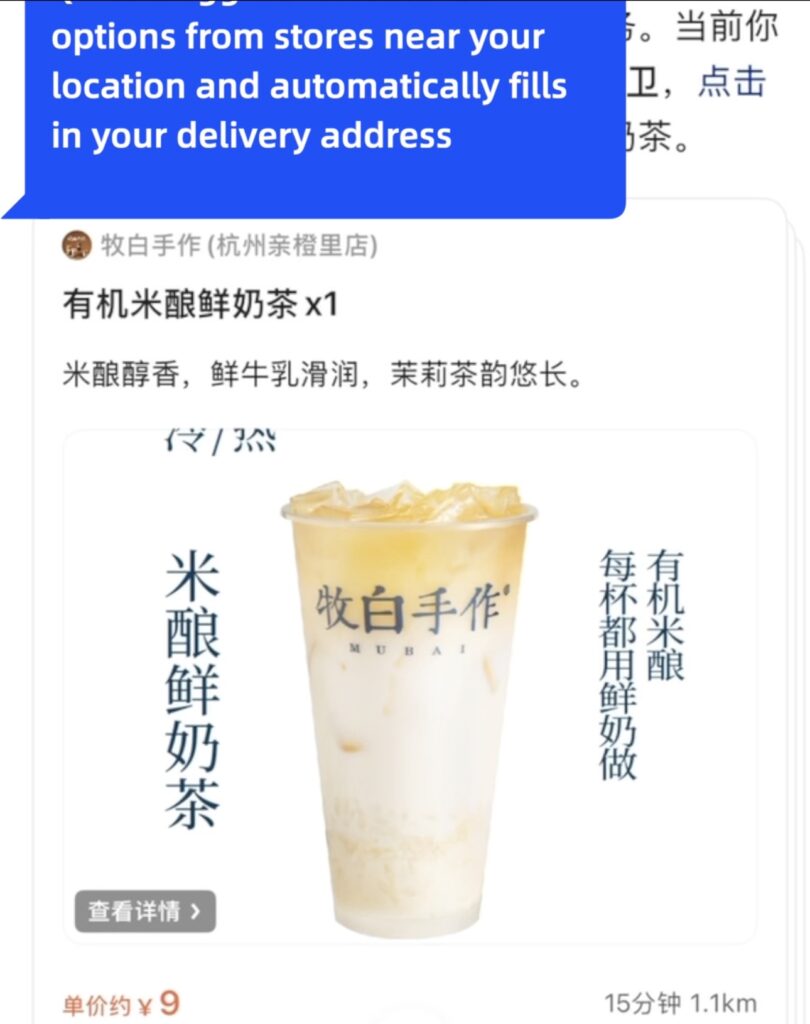
From Understanding to Acting
The core philosophy behind this upgrade is the transition from “thinking” to “doing.” For years, Large Language Models (LLMs) have been designed to understand intent and generate information. Alibaba is now pushing the envelope by turning Qwen into an “AI Agent”—a system that acts on the user’s behalf.
“What we are launching today represents a shift from models that understand to systems that act—deeply connected to real-world services,” said Wu Jia, Vice President of Alibaba Group.
This functionality is currently being rolled out in public testing across China. The goal is to eliminate the friction of app-switching. Instead of discussing dinner plans with an AI and then opening a separate delivery app to place an order, users can now complete the entire process within the Qwen chat interface.
Unlocking the “Super App” Ecosystem
What sets Alibaba apart in the global AI race is its massive, pre-existing ecosystem of services. The upgraded Qwen app does not operate in a vacuum; it integrates the company’s core platforms into a unified interface.
- Commerce & Food: Integration with Taobao and instant commerce platforms allows for seamless shopping and food delivery.
- Travel & Navigation: Connections to the travel service Fliggy and mapping platform Amap enable complex itinerary planning.
- Finance: Crucially, the integration of Alipay means users can authorize and complete payments directly within the conversation.
This financial integration is a significant hurdle that many competitors struggle to clear. By embedding payment capabilities, Alibaba has removed the final barrier between AI suggestion and real-world execution. The company noted that while the payment feature currently supports instant commerce, it will rapidly expand to cover additional services.
Advanced Capabilities and “Task Assistant”
Powered by the robust Qwen3 foundation model, the app is also introducing high-level capabilities for power users. Alibaba unveiled a “Task Assistant” feature, currently in invite-only beta, which pushes the boundaries of what a digital assistant can do.
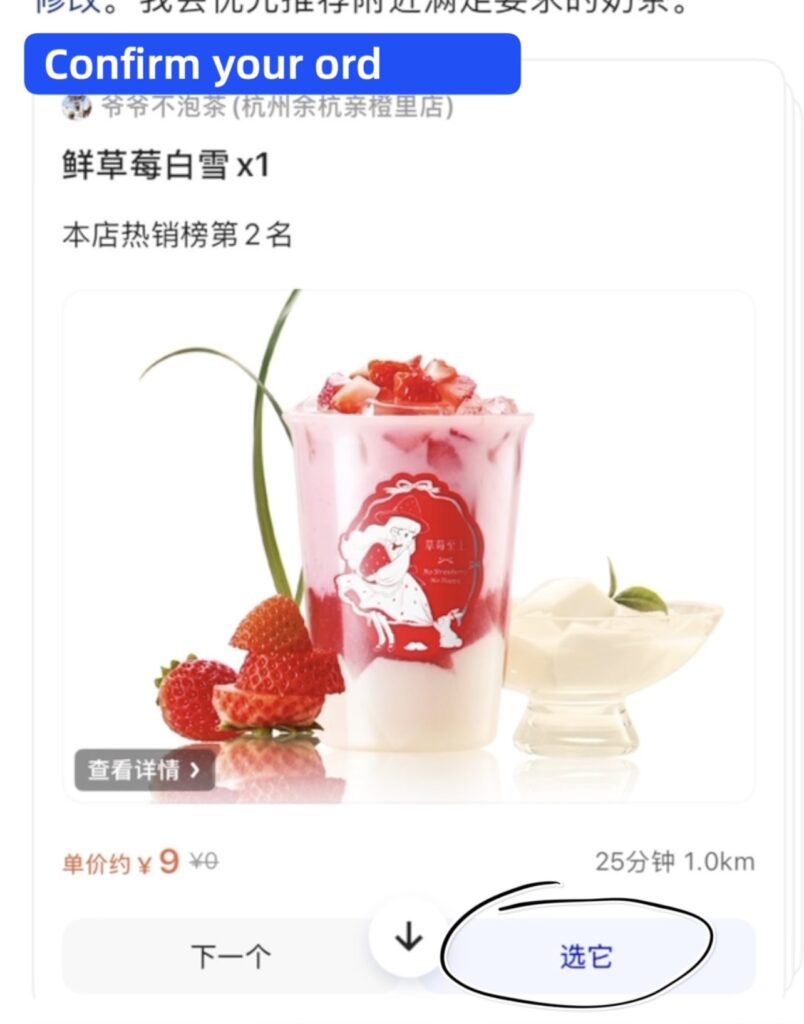
This assistant can reportedly make real phone calls to restaurants to verify information or make reservations, process up to 100 documents simultaneously for heavy-duty analysis, and plan multi-stop travel itineraries that account for logistics and timing. These features suggest that Qwen is targeting not just casual consumers, but professionals seeking productivity enhancements.

The Global Race for AI Agents
Alibaba’s aggressive pivot comes as the global technology sector races to define the next generation of AI. The concept of “AI Agents” is gaining traction worldwide as companies look to make AI practically useful rather than just a novelty.
- Global Context: Meta Platforms recently acquired the startup Manus to enhance its systems’ ability to perform multi-step tasks. Similarly, OpenAI has rolled out its “Operator” agent, designed to fill out forms and book reservations.
- Domestic Competition: Within China, Alibaba is playing catch-up. The company had previously lagged behind rivals like ByteDance and Tencent, having focused primarily on enterprise AI through its cloud business.
However, the gap is closing fast. Since its public beta launch on November 17, the Qwen App has surged in popularity, surpassing 100 million monthly active users in just two months. By leveraging its vast repository of real-world services, Alibaba is betting that the most useful AI is the one that can actually get things done.