
From 500+ models to specialized architect modes, discover why the #1 app on OpenRouter is giving developers total control over their workflow.
- A New Standard in Open Source: Kilo Code has emerged as a formidable competitor to proprietary tools, currently ranking as the #1 app on OpenRouter by offering a fully transparent, open-source architecture that eliminates token markups.
- Purpose-Built Precision: Unlike generic coding assistants, Kilo Code features five distinct operational modes—including a powerful “Orchestrator”—and supports over 500 models, allowing developers to optimize for cost, latency, and reasoning capability.
- Enterprise-Grade Continuity: The platform solves the problem of “AI sprawl” by unifying workflows across devices (VS Code, JetBrains, CLI), persisting context through sessions, and providing dashboards to track ROI and duplicate the strategies of top performers.
For a long time, the narrative in AI development has been dominated by closed, proprietary systems. Developers often felt forced to choose between convenience and control. That dynamic has shifted with the arrival of Kilo Code. Finally, there is an open-source coding agent that doesn’t just mimic the capabilities of proprietary giants but actually competes with them head-on.
Currently sitting as the #1 app on OpenRouter—surpassing even heavyweights like Claude Code—Kilo Code represents a philosophy shift. It is fully open-source, allowing teams to open the “black box” to inspect, customize, and integrate the tool exactly how they see fit. This transparency extends to billing as well; with a “pay for what you use” model and no token markup, it democratizes access to high-level AI assistance.
Five Modes are Better Than One
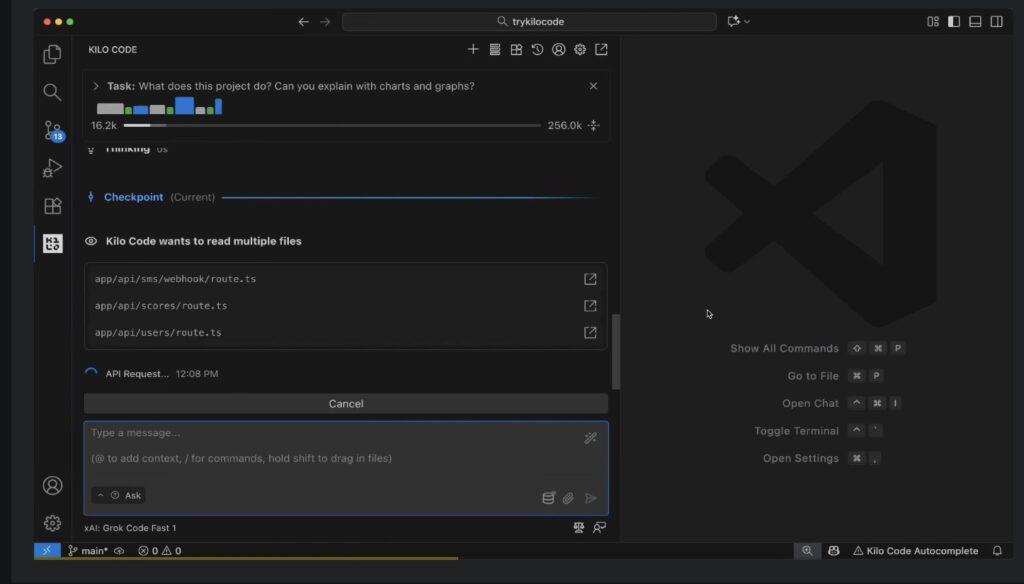
Most AI coding tools treat development as a single, monolithic task. They offer a “one-size-fits-all” chat interface that often struggles to differentiate between high-level planning and syntax correction. Kilo Code changes the game by shipping with five specialized modes, each purpose-built for a specific stage of the development lifecycle:
- Architect: Dedicated to research and high-level planning.
- Code: Focused purely on writing and implementation.
- Debug: tailored specifically for troubleshooting and error resolution.
- Ask: A non-destructive mode for questions that require no code changes.
- Orchestrator: The powerhouse mode that combines all others to tackle complex, multi-faceted problems.
This granularity allows developers to stay in their flow, moving from the CLI to VS Code or JetBrains without friction. By separating concerns, Kilo Code allows you to “1000x every dev” by providing the right tool for the exact moment in the stack.
Context is King: The “Memory Bank” Advantage
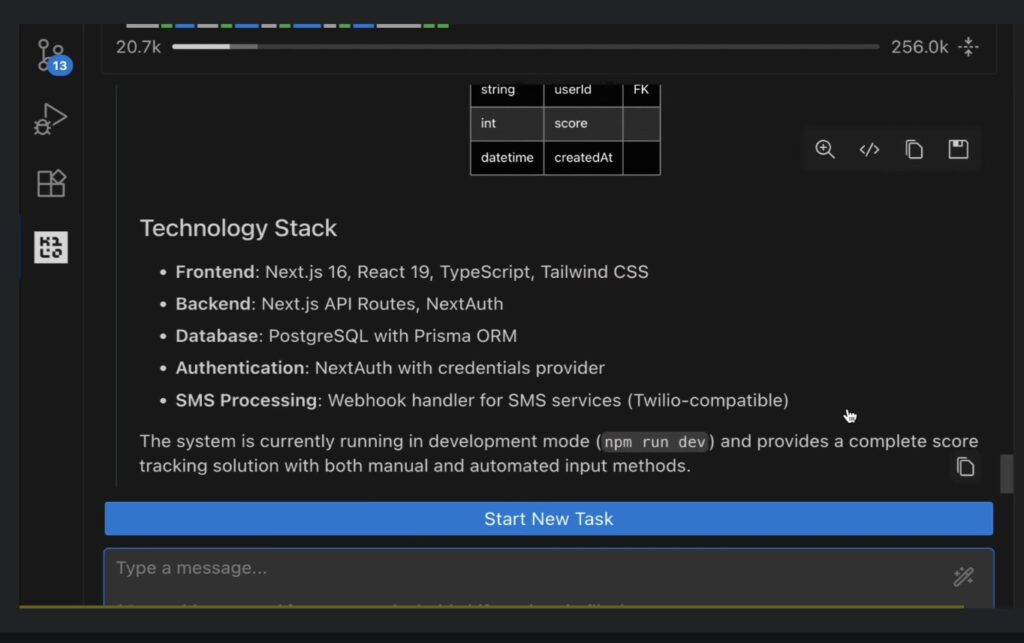
One of the greatest frustrations with AI agents is their tendency to “forget.” A developer might spend an hour explaining architectural constraints, only to have the agent lose the thread in the next session. Kilo Code solves this by externalizing your context.
Through features like the Memory Bank, architectural decisions and team knowledge are stored and persisted. Your session history, active agents, and variables follow you automatically across devices. You can start a task on your mobile device during a commute and finish it in your IDE without missing a beat. This allows developers to stop repeating themselves and enables teams to onboard new hires automatically using stored context.
Controlling AI Sprawl and Maximizing ROI
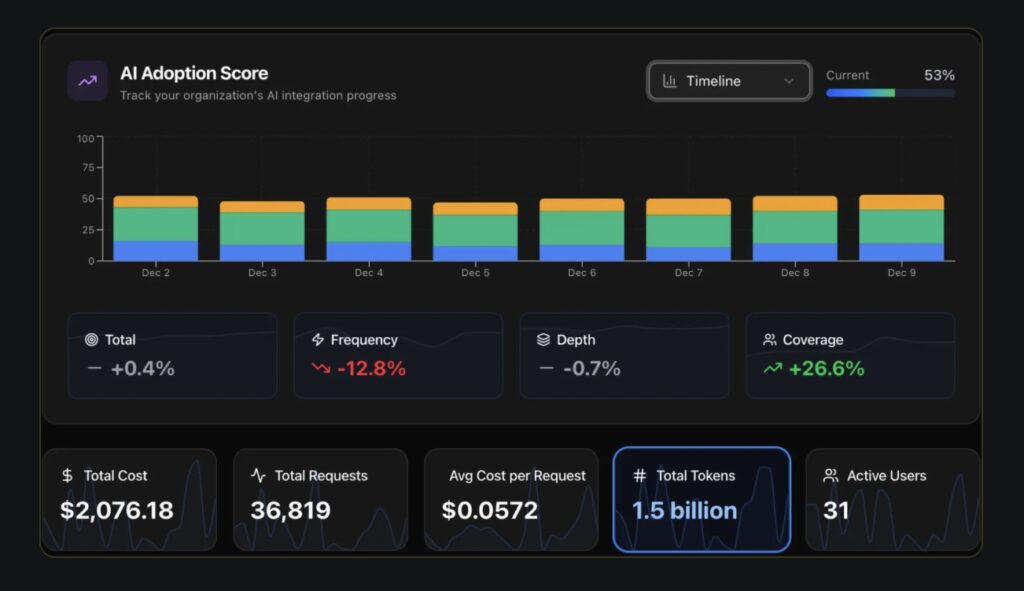
From a broader organizational perspective, Kilo Code addresses the growing concern of “AI sprawl”—the fragmented use of unauthorized tools that leads to security risks and shadow IT. Kilo centralizes management, offering an AI Management Dashboard that allows leadership to track adoption rates and prove ROI.
Because the platform is model agnostic, granting access to over 500+ models, teams can control the tradeoffs between latency, cost, and reasoning. You can use a lighter model for quick boilerplate (using intelligent Tab Autocomplete) and a heavier reasoning model for complex architecture. Furthermore, organizations can “duplicate their best devs” by capturing individual “superpowers” into custom modes, effectively scaling the expertise of their top performers across the entire team.