Beyond Visual Mimicry: Building World Models That Actually Understand the Laws of Physics
- The Trinity of Consistency: A General World Model must be defined by three pillars: Modal Consistency (semantics), Spatial Consistency (geometry), and Temporal Consistency (causality).
- The “Texture Synthesizer” Trap: Current models like Sora, while visually stunning, often function as “naive physicists” that mimic pixel statistics rather than internalizing objective physical laws.
- A New Evaluation Standard: The introduction of CoW-Bench provides a rigorous diagnostic tool to distinguish between mere visual mimicry and genuine physical simulation by testing multi-frame reasoning.
The pursuit of Artificial General Intelligence (AGI) is no longer just about generating a clever paragraph or a beautiful image. It has evolved into a quest to endow machines with a profound understanding of physical reality. To reach true intelligence, an AI must transition from a passive observer of data into a proactive simulator—an agent capable of learning objective physical laws, reasoning through “what-if” counterfactuals, and predicting the future based on current actions.
While recent breakthroughs in video generation, such as Sora and Gen-3, have achieved a level of visual fidelity that is nearly indistinguishable from reality, a critical gap remains. These models often suffer from “structural hallucinations.” They might render a glass shattering beautifully, only for the shards to disappear a second later, or a person walking through a solid object. These are not just small glitches; they are symptoms of a system that understands the look of the world but not its logic.
The Trinity of Consistency
To move past these limitations, we propose a principled theoretical framework called the Trinity of Consistency. This tripartite lens defines the essential properties required for a General World Model:
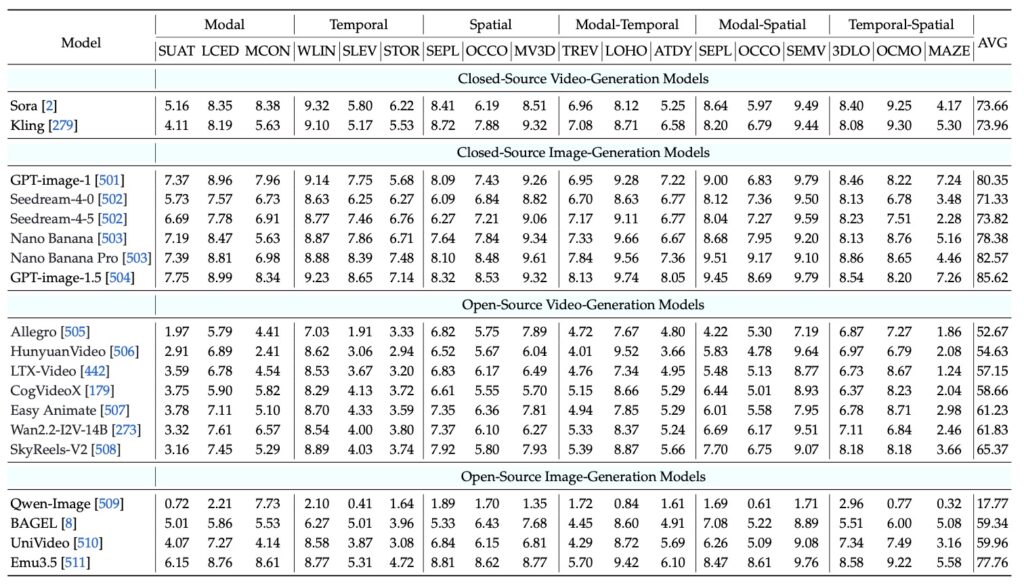
- Modal Consistency: Serving as the semantic interface, this ensures that the model correctly maps human language and intent to the physical world.
- Spatial Consistency: The geometric basis that ensures objects maintain their shape, scale, and permanence within a 3D environment.
- Temporal Consistency: The causal engine that governs how state changes over time, ensuring that actions lead to logical, irreversible reactions.
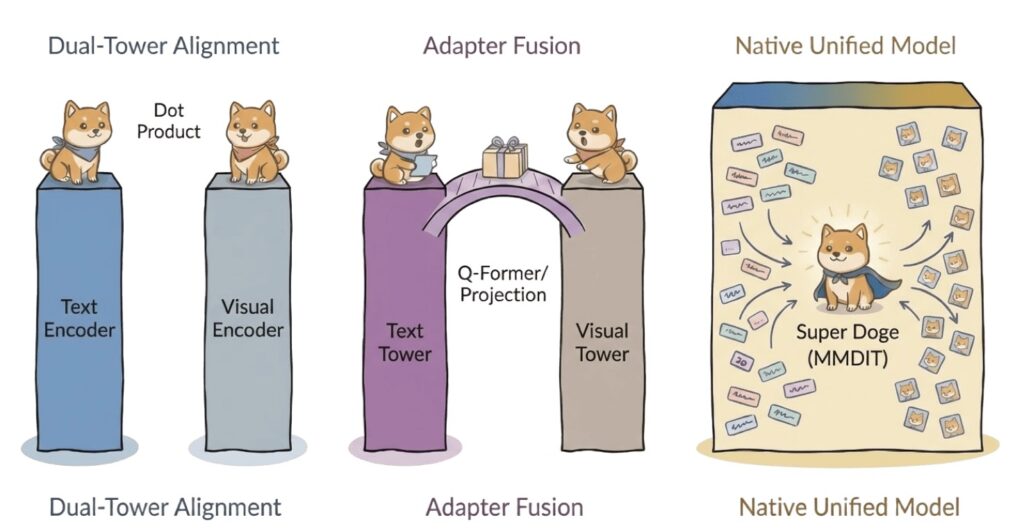
A true world model does not emerge from performance in just one of these areas. Instead, it arises from the robustness of their interactions. When an AI fails to maintain an object’s identity over a long duration (Modal-Time) or loses environmental permanence during a camera pan (Time-Space), the illusion of a “world” collapses.
Diagnosing the “Constraint-Backoff”
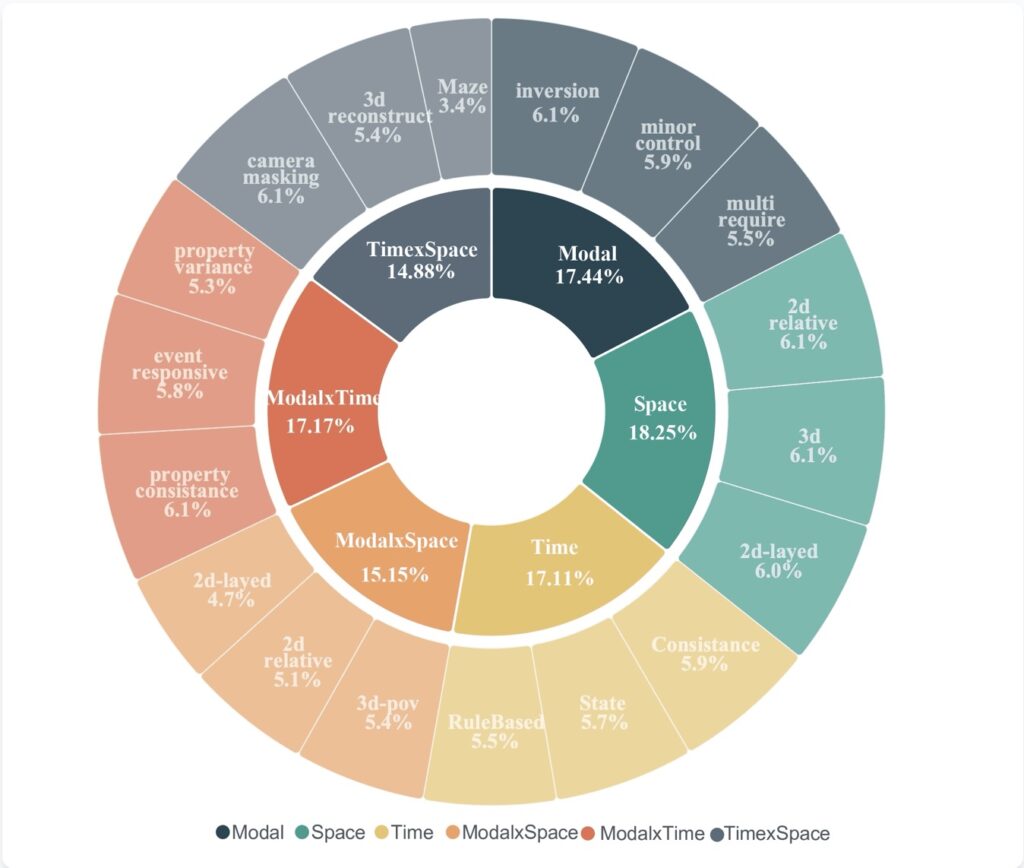
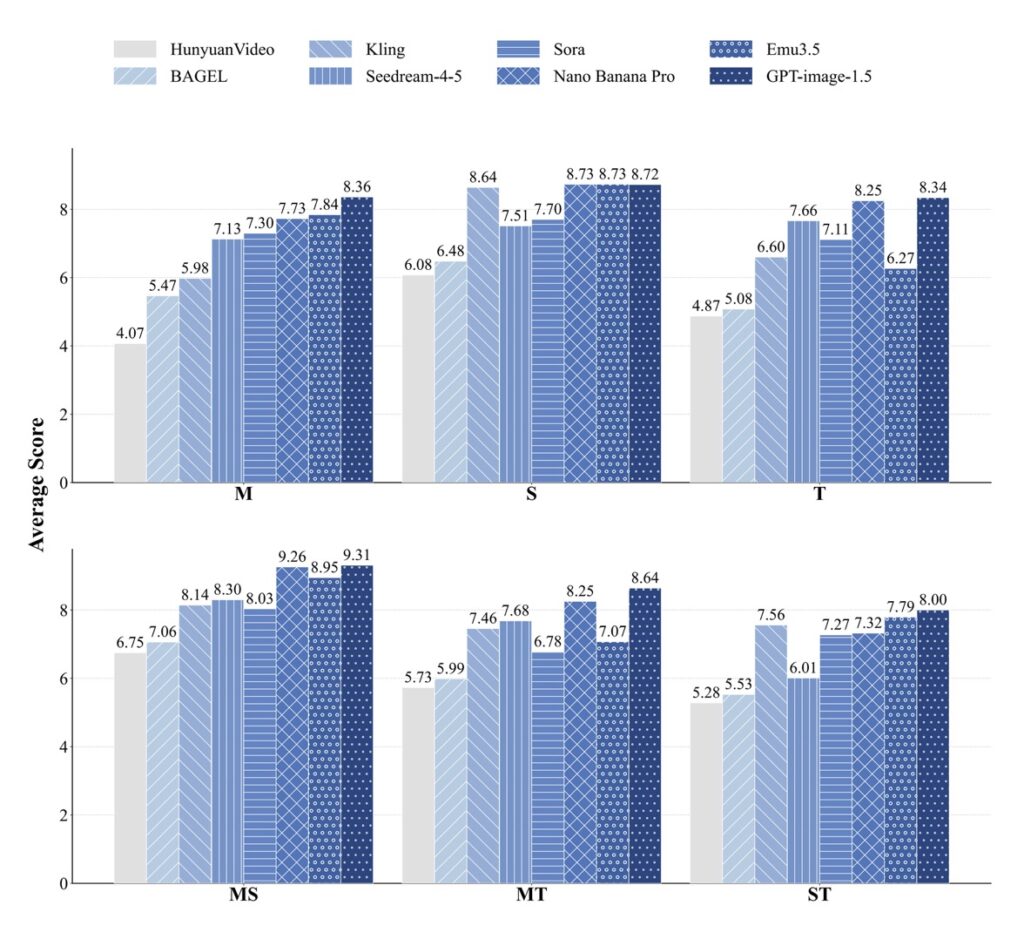
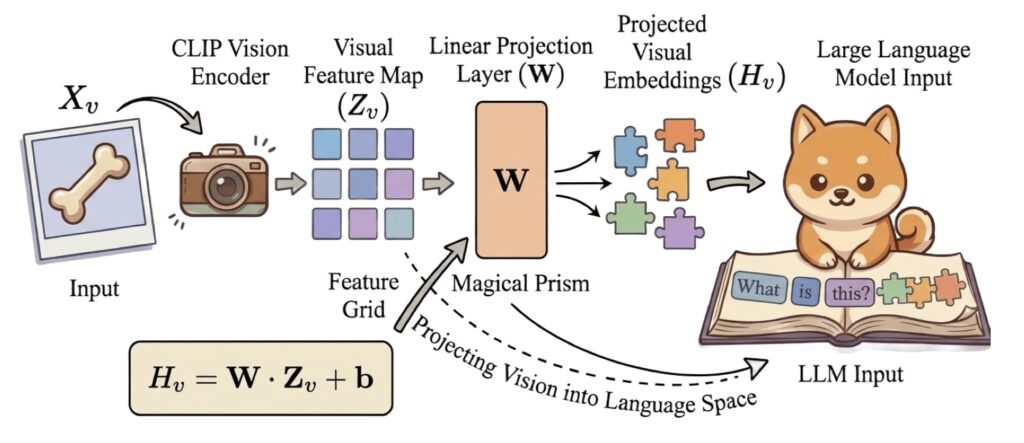
To bridge the gap between visual mimicry and genuine simulation, we have introduced CoW-Bench. This benchmark unifies the evaluation of video generation models and Unified Multimodal Models (UMMs) under a single, rigorous protocol. By using expert-level reasoning and fine-grained atomic checklists, CoW-Bench exposes a phenomenon we call “constraint-backoff.”
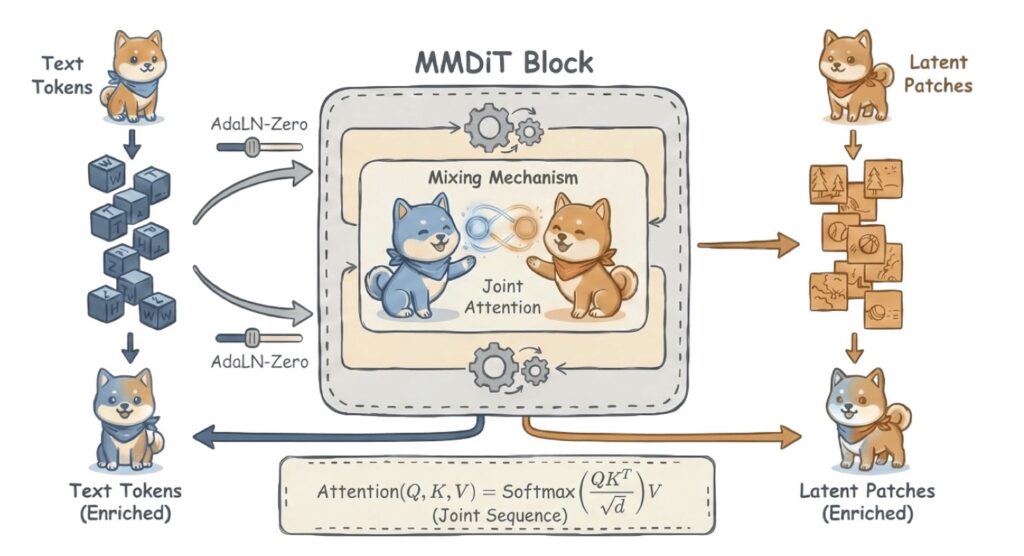
Constraint-backoff occurs when a model generates plausible-looking textures while silently violating logical commitments. It’s the digital equivalent of a magician’s trick—it looks real until you look at the mechanics behind the curtain. Our findings suggest this isn’t just a lack of data; it’s a structural flaw in how current models represent interaction. If the “action space” is too rigid or uninterpretable, the model cannot ground its semantic commitments in physical dynamics.
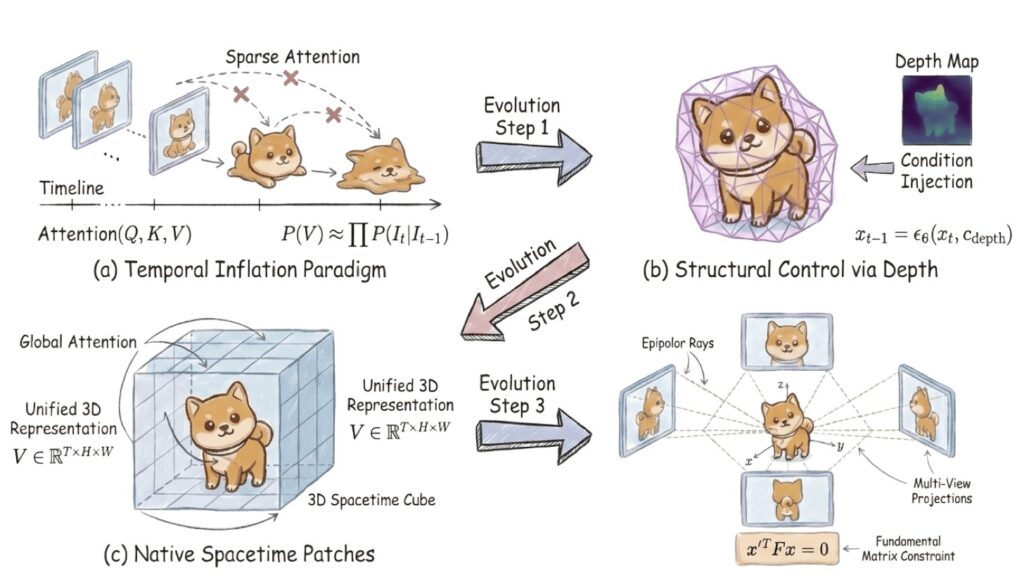
Toward the “Prompt-as-Action” Paradigm
The evolution of world models can be tracked through the expressiveness of their interactive spaces. We are moving away from the early “Vector-as-Action” models (like JEPA) and the discrete “Key-as-Action” paradigms (like Genie) toward a forward-looking Prompt-as-Action paradigm.
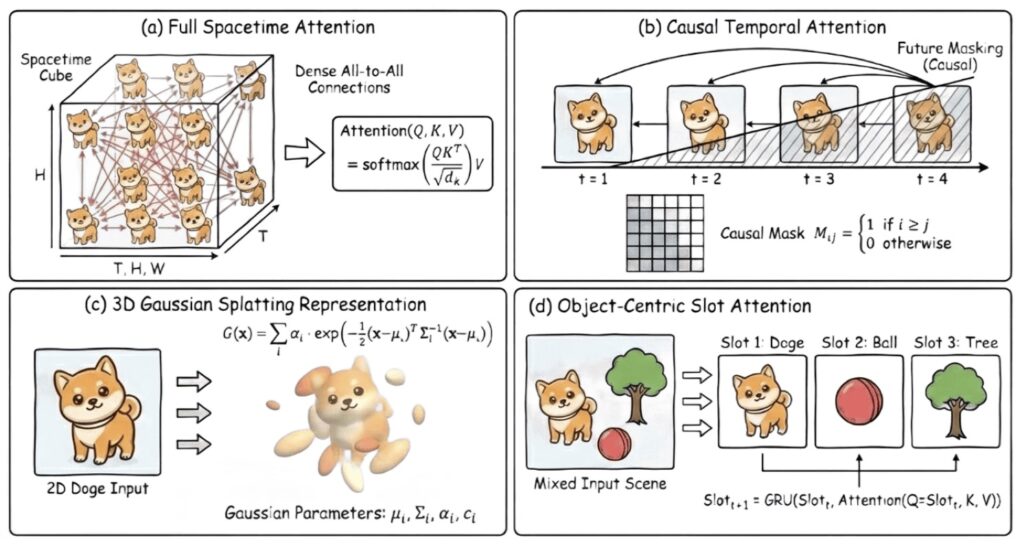
In this new era, UMMs act as internal semantic compilers. They interpret high-dimensional natural language and translate it into universal spatiotemporal simulations. Systems like PixVerse-R1 are already offering a glimpse of this future—real-time world modeling that responds instantly to user input while adhering to the Trinity of Consistency.

The Criterion of Existence
Ultimately, consistency is not an optional feature of a world model—it is its criterion of existence. A system that produces compelling pixels but fails to maintain the laws of physics remains a “texture synthesizer.” The Trinity of Consistency marks the definitive boundary between generating images that resemble the world and constructing models that truly understand it.