

Anthropic’s newest model delivers Fable-level performance at a fraction of the cost, while a revolutionary “Compaction” feature solves the long-context dilemma once and for all.
- Next-Gen Performance & Savings: Claude Opus 5.5 matches Fable 5.1’s capabilities while running ~30% faster and costing 40% less per task than Opus 5, bringing immediate, massive limit boosts to Claude Code users.
- Safety & Alignment First: Marking the first release since the call to “pace the frontier,” Opus 5.5 achieved the highest alignment scores to date after rigorous external testing by independent organizations like METR and Frontier Design.
- Revolutionary Context Management: The new server-side “Compaction” feature automatically summarizes older conversation turns to preserve context window space and maintain response quality, eliminating the need for custom summarization code.
Anthropic has officially unveiled Claude Opus 5.5, the highly anticipated inaugural model of the new 5.5 family. Arriving as the first major release since the company’s call for “pacing the frontier” of AI development, Opus 5.5 stands as a testament to the balance between cutting-edge capability and responsible scaling. Prioritizing safety without compromising power, this model underwent rigorous scrutiny by external evaluators, including METR and Frontier Design. The result of this deliberate approach is an AI that has achieved the strongest score to date on Anthropic’s most comprehensive alignment test, proving that safety and raw utility can progress hand in hand.
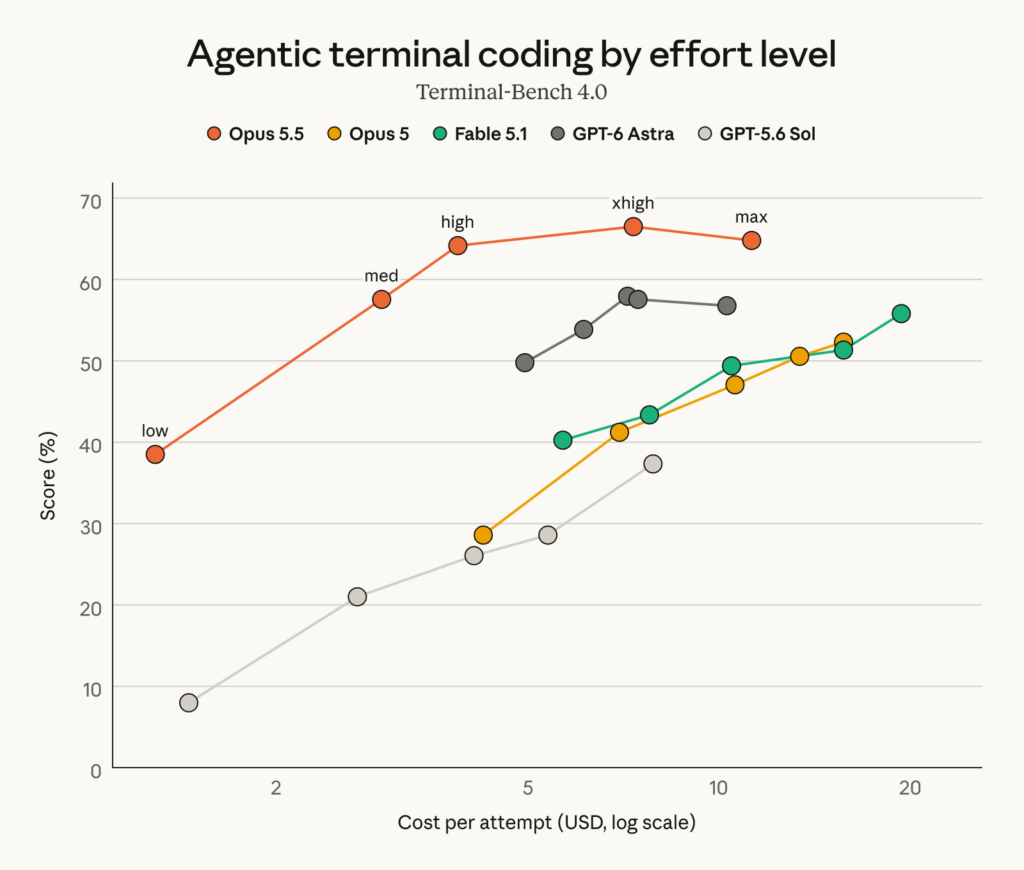
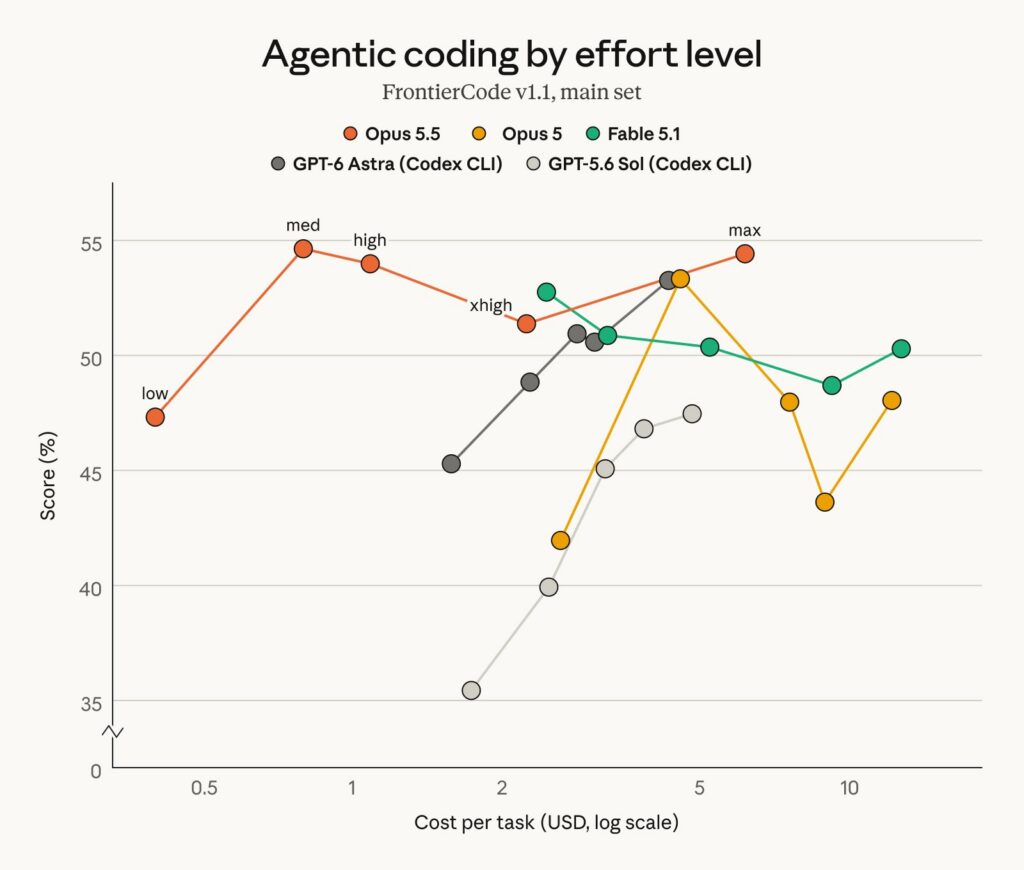
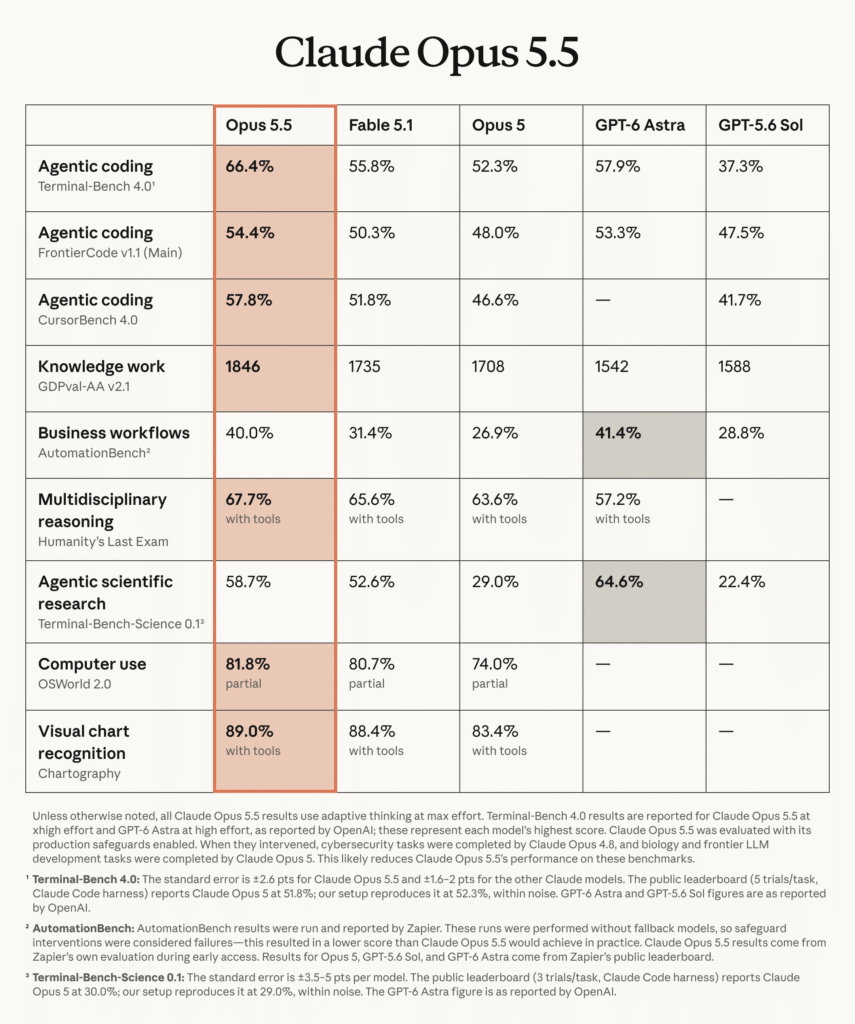
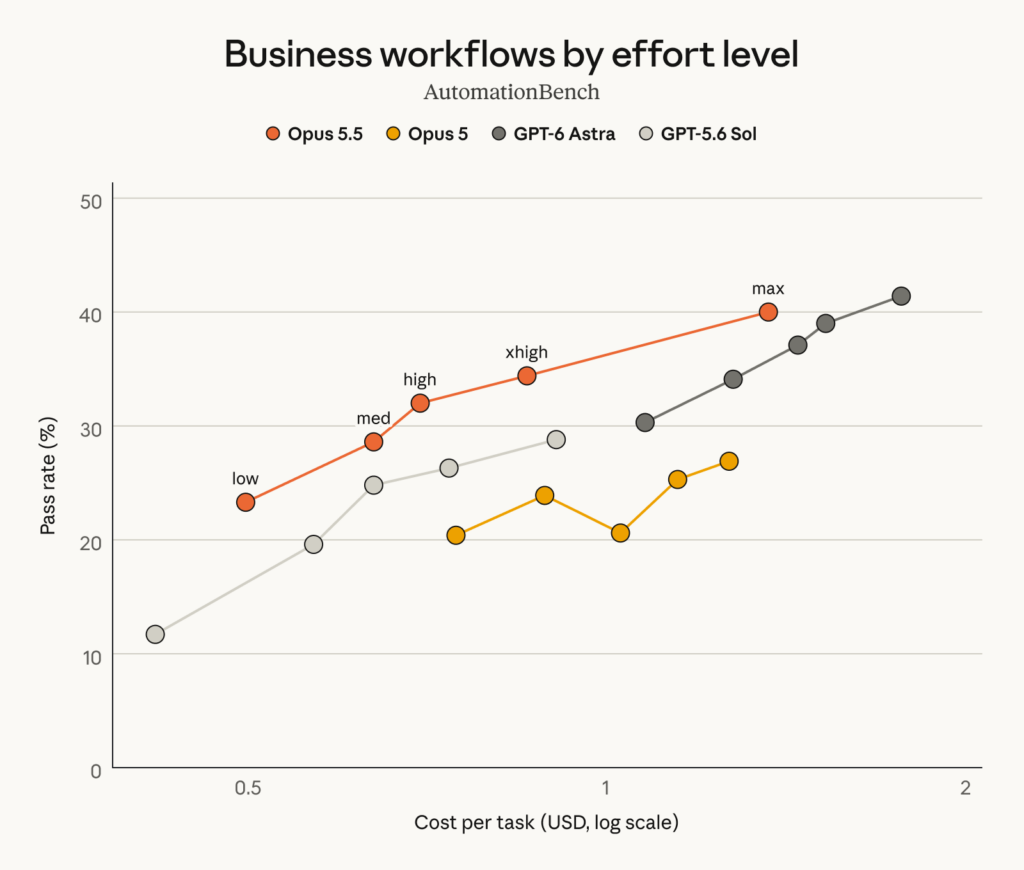
Under the hood, Opus 5.5 is an absolute powerhouse of efficiency. It delivers performance on par with Claude Fable 5.1 for the vast majority of tasks, yet operates roughly 30% faster and costs a staggering 40% less to run per task compared to Opus 5. These efficiency gains translate into immediate, tangible benefits for developers, particularly those utilizing Claude Code. Starting today, 5-hour session limits for Claude Code have increased by 20%. Because the new model is priced lower, users will find their requests going 25% further within those newly expanded limits. To celebrate the launch, Pro, Max, and Team users are even receiving a complimentary reset, allowing them to dive straight into the upgraded experience whenever they choose.
Beyond raw speed and sweeping cost reductions, Anthropic is addressing one of the most persistent headaches in generative AI: managing long conversations. As conversations or autonomous agent tasks grow, response quality inevitably degrades, and context windows become bloated. Enter Compaction, a transformative new server-side feature currently in beta. Rather than forcing developers to write and maintain complex summarization code of their own, Compaction automatically replaces the older turns of a conversation with a seamless summary generated directly on Anthropic’s servers. This innovation keeps the active context incredibly small, preserving high-quality responses while maintaining the thread of long-running tasks within the context window.
Developers have flexible pathways to implement this feature, primarily choosing between “Compaction on demand” and “Compaction at a token threshold.” While both are powerful beta features with their own compatibility requirements and usage tracking metrics, Compaction on demand currently covers the most common use cases. For developers who simply want to clear out old tool results or old thinking blocks by rigid rules rather than summarizing them entirely, Anthropic also offers a complementary “Context editing” feature.
The true power of Compaction lies in its deep adaptability. When executing an on-demand compaction loop—which summarizes the whole conversation while your application waits—developers can tailor the process to their exact needs. If absolute precision is required for immediate context, you can opt to “keep recent turns” word-for-word, ensuring the server-side summary only condenses the older history. If your application is time-sensitive and cannot afford to pause, “Compaction in the background” allows the request to process while your system continues working, smoothly swapping the compacted block in once it arrives. Furthermore, developers working with preserved thinking models can seamlessly integrate their thinking blocks back into the loop while utilizing these methods.
Anthropic understands that standard summaries might occasionally drop niche details crucial to specific workflows. To counter this, developers have the freedom to write their own custom summarization prompts, completely replacing the default behavior if a later turn requires specific, retained knowledge. Because agent tasks can run indefinitely, conversations that already begin with a compacted block can simply be “compacted again” as they grow long once more. From smoothly continuing from a summary to handling missing summaries and API limits, Opus 5.5’s suite of tools is designed to make context bloat a worry of the past, allowing builders to focus entirely on what their applications can achieve.