

With frontier intelligence and the innovative Daybreak program, defenders are getting the ultimate head start to make cyber defense continuous.
- A Leap in Security Research: GPT-6 Cyber introduces a major advance in the cybersecurity landscape, combining stronger AI capabilities with improved model alignment to proactively hunt vulnerabilities and develop fixes.
- The Daybreak Advantage: Through the expanding Daybreak program, organizations gain tailored access—using “Blue” for defensive validation with fewer refusals, and “Red” for authorized, offensive exploit development.
- Continuous, Agent-Driven Defense: The ultimate goal is to give security teams a crucial head start against attackers by building continuous “agentic loops” that investigate risks and prepare verified fixes around the clock.
We are standing at a critical juncture in the digital arms race. For decades, cybersecurity has largely been a reactive discipline—a constant scramble to patch vulnerabilities only after they are discovered or exploited. Today, that paradigm is shifting. With the introduction of GPT-6 Cyber, OpenAI has unveiled a major advance in security research, pairing significantly stronger model capabilities with highly refined alignment. This isn’t just an upgrade; it is frontier intelligence built specifically for the trenches of cybersecurity.
The capabilities of GPT-6 Cyber are already being proven on the front lines. Just yesterday, the model powered groundbreaking research into the Linux kernel, demonstrating its ability to handle complex, foundational systems. But it isn’t just an internal experiment. Industry heavyweights are already putting it to work. Security teams at leading companies like Mozilla, Palo Alto Networks, Calif, and Cisco—alongside OpenAI’s own internal experts—are leveraging these AI models and agents to find exploitable vulnerabilities, test existing defenses, and develop robust fixes.
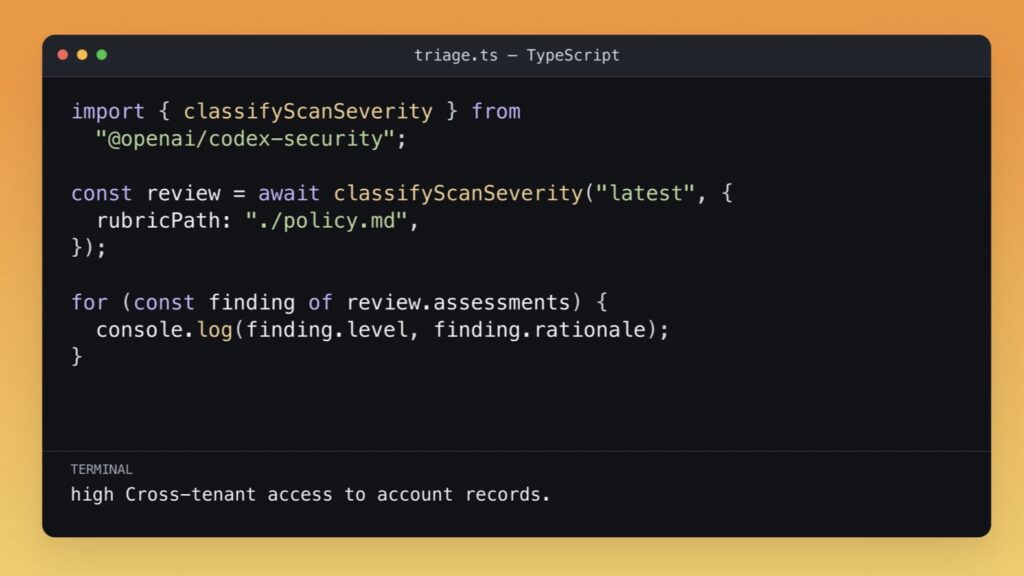
At the heart of this deployment is the Daybreak program, a specialized access gateway designed to give security professionals the exact tools they need without the friction typically associated with highly aligned public models.Daybreak is divided into two distinct workflows. Daybreak Blue focuses on defensive operations, helping verified defenders validate vulnerabilities and prepare fixes with significantly fewer model refusals. In tandem with the GPT-6 Cyber launch, the Daybreak Blue alpha for GPT-6 Astra is currently expanding to include more organizations and individual researchers. On the other side of the spectrum is Daybreak Red, which is currently available to select customers and enables advanced offensive security, allowing teams to conduct deeper exploit development and authorized stress-testing.
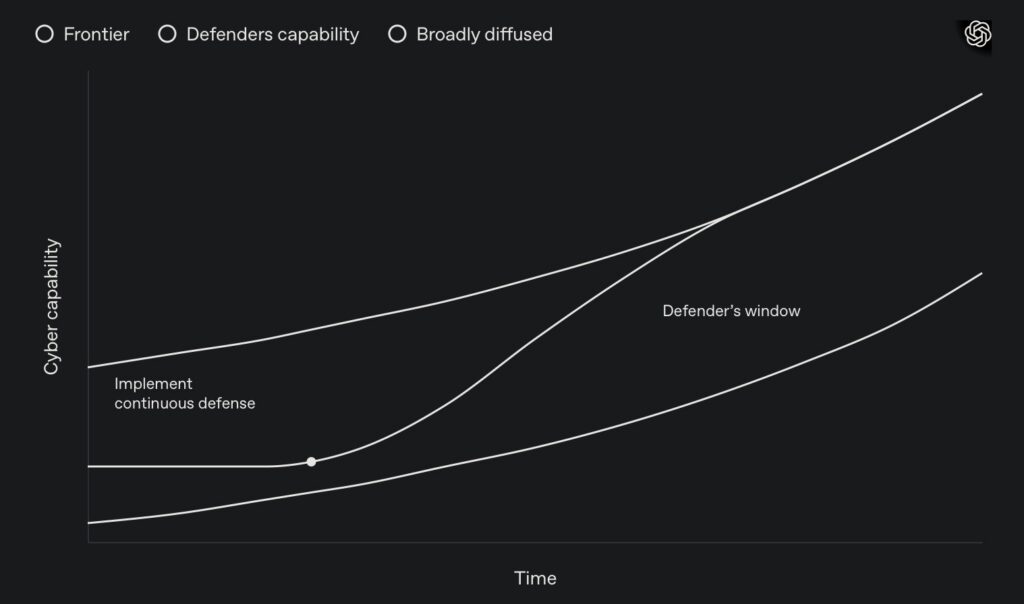
OpenAI’s strategy recognizes a narrow, critical “defender’s window.” Frontier AI grants organizations an invaluable head start to fortify their networks before broadly available models equip malicious actors with similar capabilities.Recognizing that security is a collective effort, the overarching goal is to democratize this technology. Over time,Daybreak access will expand to empower organizations of every size, independent researchers, and the open-source maintainers who keep our digital infrastructure intact.
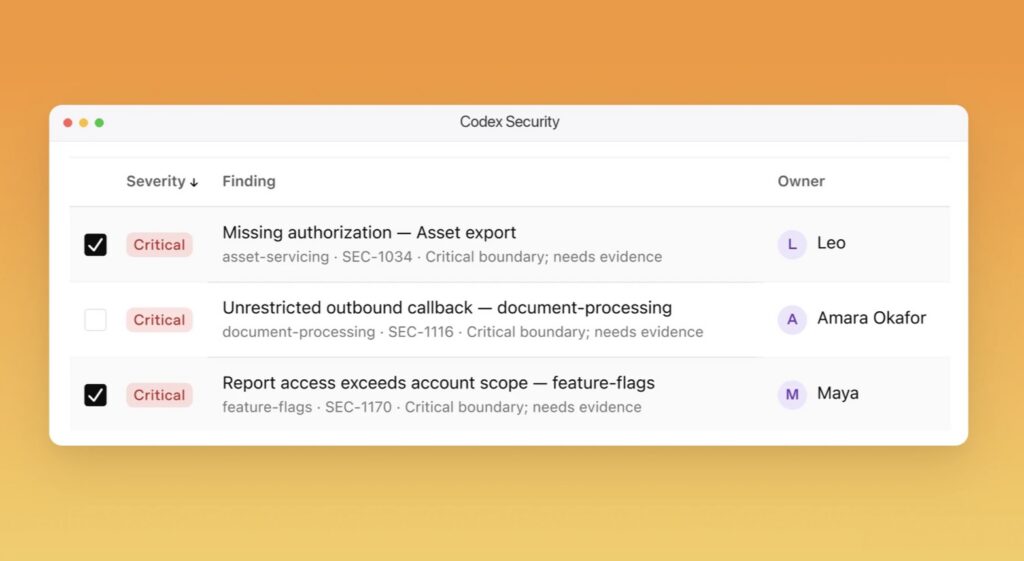
The launch of GPT-6 Cyber is a call to action for the industry: now is the time to make defense continuous. By putting AI to work across your entire security program, organizations can build autonomous “agentic loops.” These AI-driven workflows continuously investigate findings, prioritize risks, and prepare verified fixes for human review. From the moment a vulnerability is discovered to the moment it is patched, GPT-6 Cyber and the Daybreak program ensure that defenders are no longer just reacting to threats—they are staying one step ahead of them.