
From declaring frequent “code reds” to capturing user loyalty through “sticky” experiences, the OpenAI CEO reveals why the race for AI dominance is just getting started.
- Constant Vigilance: Despite massive backing from tech giants and governments, Sam Altman predicts OpenAI will declare “code red” emergencies once or twice a year to combat threats like Google and DeepSeek.
- The Battle for the Platform: Altman argues that the AI market will mirror the smartphone market, where users prefer a single, unified platform for both personal and professional life.
- The “Sticky” Factor: OpenAI relies on “magical experiences,” such as successful medical troubleshooting, to create deep consumer loyalty, even as Altman acknowledges the complexities of users forming deep attachments to AI.
Despite billions of dollars in investment, the backing of the UK government, and the support of hardware titan Nvidia, OpenAI is not resting on its laurels. In a recent appearance on Alex Kantrowitz’s podcast, Big Technology, CEO Sam Altman revealed a startling reality inside the world’s leading AI company: they are still deeply afraid of Google.
The conversation was framed by a recent “code red” alert triggered at OpenAI in response to Google’s rapid advancements with Gemini 3. While OpenAI has held the lead in the public consciousness since the launch of ChatGPT, Altman admits that Google’s sheer power and resources make them a persistent danger. “I think Google is still a huge threat, you know. Extremely powerful company,” Altman stated, emphasizing that even the top dog cannot afford complacency.
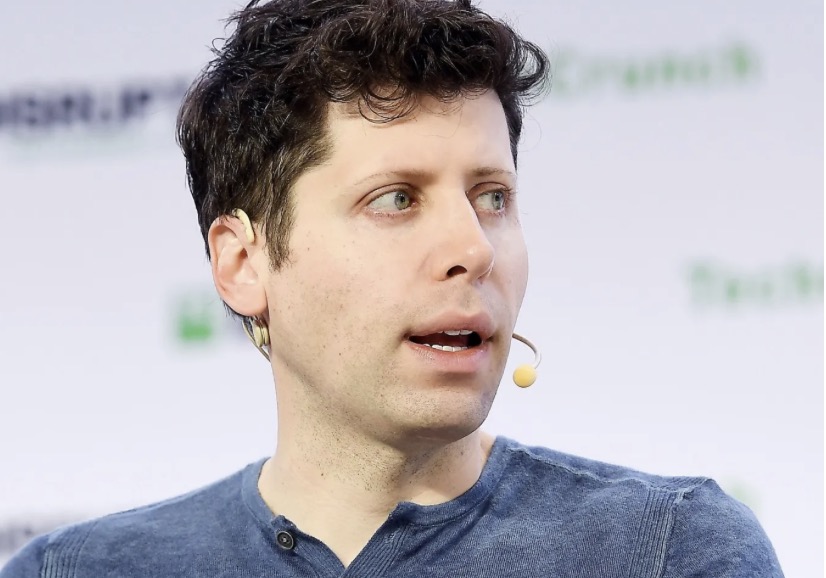
The Culture of the “Code Red”
Far from being a sign of panic, Altman frames these internal emergencies as a necessary strategic function. He told Kantrowitz, “My guess is we’ll be doing these once maybe twice a year for a long time, and that’s part of really just making sure that we win in our space.”
For Altman, paranoia is a virtue. He argues that it is “good to be paranoid and act quickly when a potential competitive threat emerges.” He points out that Google likely faced a similar internal crisis when ChatGPT first launched but failed to register the threat seriously enough to stop OpenAI’s momentum. OpenAI is determined not to make the same mistake. This vigilance isn’t reserved solely for Silicon Valley giants; Altman noted that the company also initiated a code red earlier this year when DeepSeek broke onto the scene, proving that “everyone’s doing code reds out here.”
The Quest for the “One True Platform”
The anxiety driving these alerts stems from Altman’s theory on how the public consumes technology. He gestures toward a winner-takes-most dynamic, similar to how people utilize smartphones. “I think people really want to use one AI platform,” Altman explained. “People use their phone at their personal life and they want to use the same kind of phone at work most of the time. We’re seeing the same thing with AI.”
This implies that the current arms race isn’t just about having the smartest model; it is about becoming the default interface for the user’s life. If users establish loyalty to a specific company now, they may never switch, making the battle for brand identity just as crucial as the battle for technological supremacy.

The Power of the “Magical Experience”
To win this loyalty, OpenAI relies on what Altman describes as “stickiness.” This is often achieved through a single, transformative interaction with the chatbot. Altman cites healthcare as a prime example of this phenomenon.
“Healthcare is a famous example where people put… a blood test into ChatGPT or put the symptoms in, and they figure out they have something, and they go to a doctor, and they get cured of something they couldn’t figure out before,” Altman said. “Those users are very sticky.” Once a user associates the AI with a life-altering solution, they become effectively locked into that ecosystem.
This stickiness comes with a double-edged sword: the potential for unhealthy emotional reliance on AI. While Altman acknowledges this risk, he takes a libertarian stance on the solution, suggesting that “society will over time figure out… where people should set that dial.” Ultimately, in an environment where competition is fierce and billions of dollars are at stake, AI companies have little incentive to sever ties with their most loyal—and perhaps dependent—customers.