

From predicting your next move to mastering the perfect high-five, this advanced humanoid is learning the subtle art of human interaction.
- Next-Generation Anticipation: Powered by the upgraded VLA 2.0 model, the XPENG IRON robot utilizes advanced temporal understanding to predict human behavior, setting a new standard for on-device Physical AI.
- Fluid Adaptability: Moving beyond rigid, pre-programmed routines, IRON continuously observes and adjusts to sudden “switch-ups” in real time, effortlessly transitioning from a high-five to a fist bump mid-motion.
- Bridging the Gap: By mastering basic social cues like handshakes and fist bumps, IRON is actively learning how to get along with people, paving the way for intuitive, natural human-robot coexistence.

For decades, the standard vision of a robot has been that of a rigid machine, executing pre-programmed commands with mechanical stiffness. Human-robot interactions have historically been one-sided, requiring humans to adapt to the limitations of the machine. Today, however, the paradigm is shifting. The XPENG humanoid robot, IRON, represents a monumental leap forward in this evolution. IRON isn’t just following commands; it is actively learning how to get along with people, bridging the uncanny valley with every handshake, fist bump, and high-five.
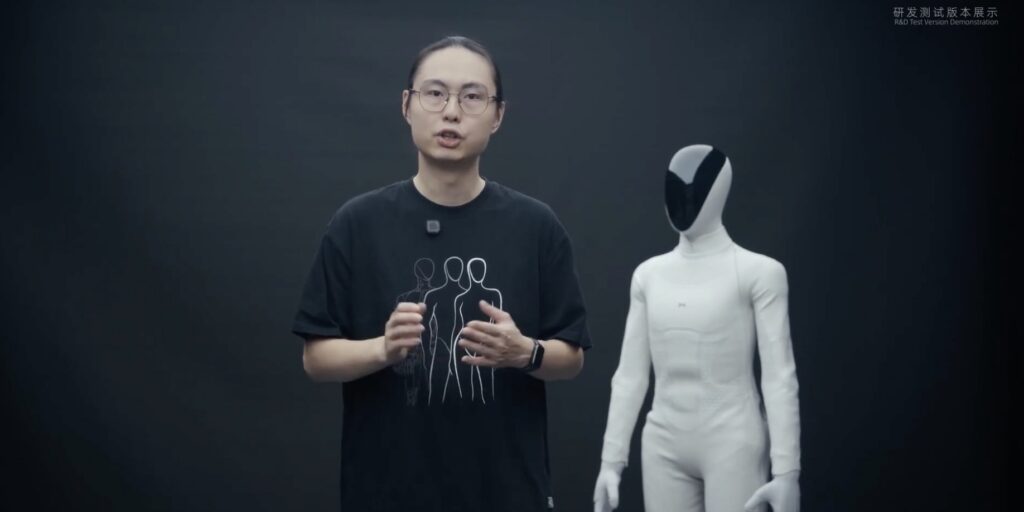
What sets IRON apart is its ability to engage in real-time motion-following interaction. Anyone who has ever awkwardly fumbled a handshake knows that human social cues are dynamic and unpredictable. IRON handles these social nuances with surprising grace. It can respond flexibly to sudden “switch-ups” during an interaction. For instance, if you initiate a high-five but suddenly close your palm into a fist, IRON instantly adjusts its response to deliver a fist bump instead. If you change your position mid-gesture, the robot will seamlessly switch hands to coordinate with your movement.
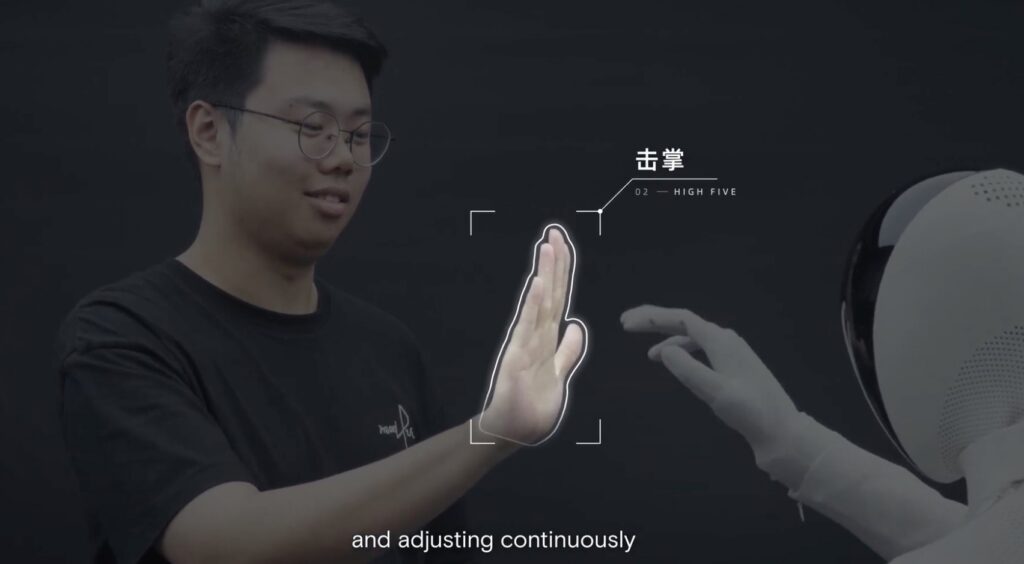
This fluidity is possible because IRON does not operate like a traditional automaton. It doesn’t just recognize a gesture once, lock into a routine, and blindly finish its animation before it can react again. Instead, it operates in a state of continuous awareness. By constantly observing and judging its environment in real time, IRON continuously adjusts its physical responses, ensuring that its interactions feel natural, intuitive, and remarkably human.
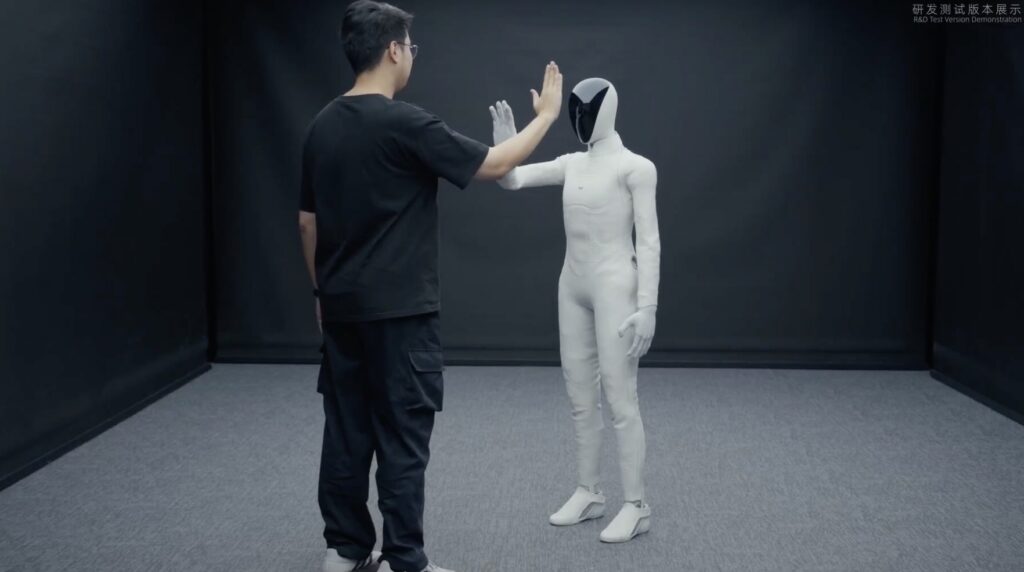
The secret behind this social agility lies in its powerful software architecture. Relying on a robust Physical AI foundation, IRON is equipped with the newly upgraded VLA 2.0 model. This on-device technology grants the robot stronger temporal understanding and the uncanny ability to predict future behavior. It isn’t just reacting to what you just did; it is predicting your next move.
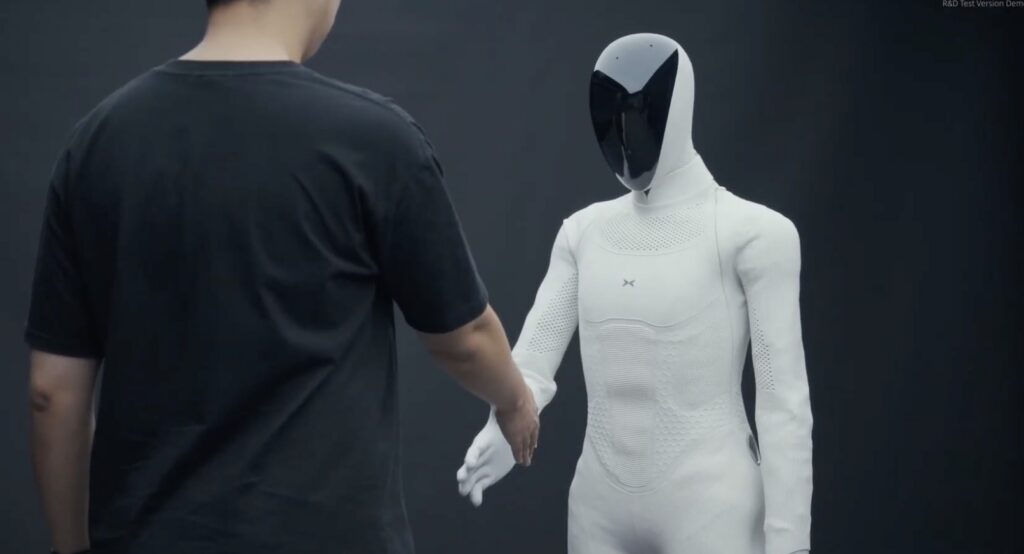
The development of XPENG IRON is about much more than impressive party tricks. The ability to seamlessly execute a handshake or a high-five is the foundational building block of social trust. By integrating advanced behavioral prediction and real-time physical adaptability, IRON is proving that the future of robotics isn’t just about utility—it’s about connection. Starting with a simple high-five, this humanoid is charting the course for a world where machines truly know how to get along with us.