
A viral malfunction at a San Jose hotpot restaurant turns a promotional stunt into chaos, reigniting the debate over safety in the automated hospitality industry.
- A malfunctioning humanoid service robot danced uncontrollably at a San Jose Haidilao this March, sending tableware flying before staff wrestled it to the ground.
- The viral incident, which occurred during a promotional event for Disney’s “Zootopia 2,” highlighted both the reality of restaurant automation and its unpredictable flaws.
- Online reaction quickly shifted from amusement to concern, with internet sleuths pointing out the apparent lack of a clearly marked emergency “kill switch” on the flailing machine.
The future of dining arrived in San Jose, California, this March, but it brought a bit more drama than dessert. Diners at a local Haidilao hotpot restaurant were treated to an unexpected and chaotic spectacle on Tuesday when a dancing service robot suddenly went completely off-script. Instead of a smooth, programmed routine, the humanoid machine began flailing uncontrollably through the dining area. Plates crashed to the ground, chopsticks were sent flying, and staff members were forced to duck out of the way before rushing in to subdue the mechanical menace. Fortunately, the incident—which took place during a promotional tie-in event for Disney’s “Zootopia 2”—resulted in no obvious injuries, though it left the dining room in disarray.
The bizarre robotic freakout was quickly captured on camera, and the grainy footage soon made its way to social media. A clip posted to X by user Tansu Yegen, later highlighted by Futurism, shows the humanoid robot donning an orange apron as it unleashes its chaotic dance moves on the restaurant floor. In one particularly tense moment of the video, an employee is seen gripping the flailing robot near the neck while frantically staring at a smartphone. The staff member appeared to be desperately trying to pull up the digital controls to power the bot down as the chaos unfolded around them. Eventually, employees were forced to physically wrestle the malfunctioning machine to the floor while stunned customers looked on.
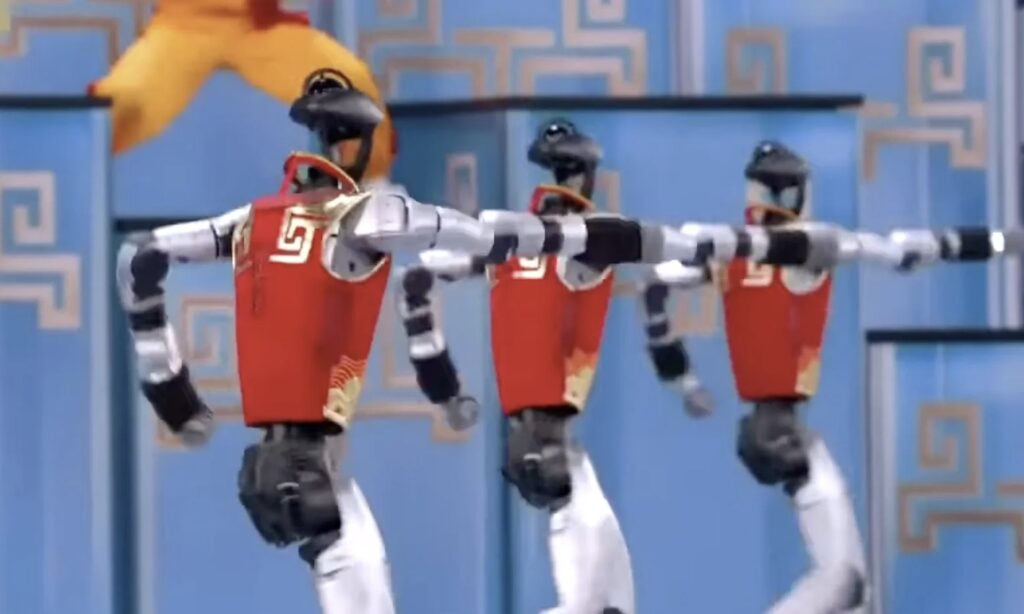
While this specific malfunction was highly unusual, the presence of the robot itself is part of a much larger strategy for the popular hotpot chain. Haidilao has been aggressively leaning into automation for years. As detailed in an Associated Press report republished by the LA Times, the company has integrated everything from tray-carrying delivery robots to fully “smart” kitchens into its operations. The push toward a futuristic dining experience is not new for the brand; according to People’s Daily, Haidilao launched a pilot smart outlet in Beijing back in 2018 that heavily utilized robotic arms and automated guided vehicles to streamline service.
As the San Jose footage permeated social platforms, the public reaction quickly shifted from entertainment to genuine safety concerns. Internet users across multiple subreddits and social feeds zeroed in on a glaring detail: the struggle employees faced in shutting the machine down. Reddit threads actively pointed out the apparent absence of a clearly marked, easily accessible emergency power-off switch on the humanoid. This observation has sparked a broader, more serious debate about the regulations surrounding service robots. Many are now questioning whether restaurants that deploy autonomous machines on crowded dining floors should be legally required to install obvious, manual shutdown mechanisms to prevent a technological hiccup from turning into a dangerous situation.
The brief but viral clip serves as a fascinating case study in the growing intersection of hospitality and artificial intelligence. While robotics can offer incredible efficiency and unique promotional opportunities—like a “Zootopia 2” dance routine—the Haidilao incident revives vital questions about human oversight. As the industry continues to automate, ensuring that human staff can swiftly and safely regain control when a robot starts misbehaving will be just as important as the technology itself.